Florham Park Hardwood Floor Water Damage
Raised edges and changed board shape need assessment beneath the finish. Hardwood cleanup considers the wood, its attachment and the underlying layers before choosing a drying approach or deciding which sections require replacement.
(888) 471-9821Describe the changed wood flooring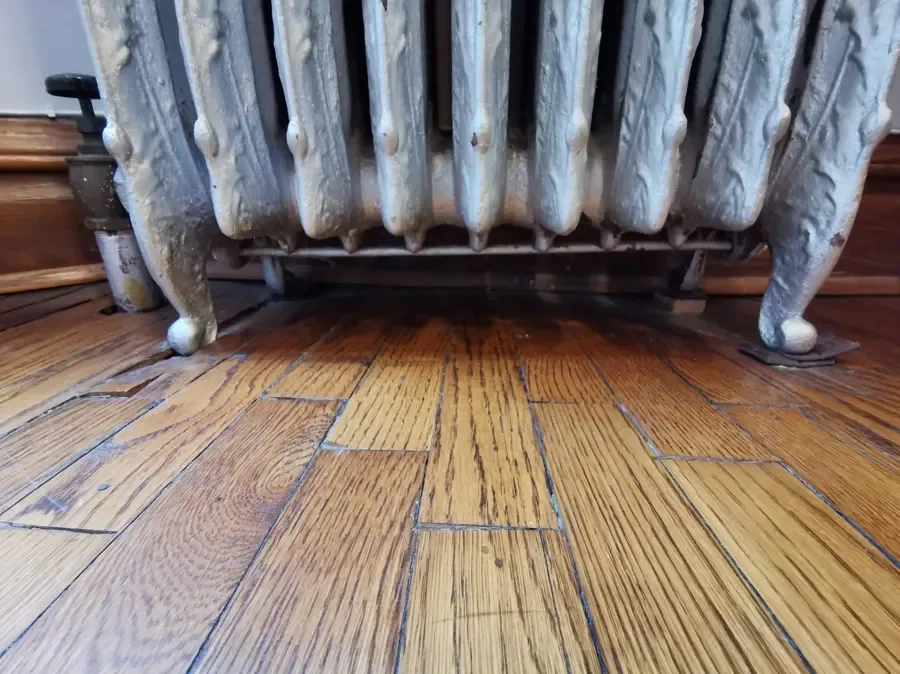
First steps for hardwood floor water damage
- 01Remove the continuing water source
Address the water source first, coordinating repair with access to the affected flooring.
- 02Document movement at the joints
Photographs of raised edges and shifted boards capture their condition. Notes about the wet boundary help define inspection beyond the obvious damage.
- 03Keep the affected boards uncovered
Rugs and movable dry furnishings can be relocated safely, allowing the floor surface and perimeter to remain available for moisture assessment and equipment placement.
- 04Wait on cosmetic floor work
Sanding or finish replacement should follow moisture assessment. Premature surface work can complicate decisions about the retained wet floor assembly.
How the team handles hardwood floor water damage
Hardwood damage assessment examines water exposure, board movement and underlying moisture, connecting removal and targeted drying with the condition of the entire retained floor assembly.
Map the wet board pattern
Board changes and flooring transitions establish measurement points and areas needing substrate inspection.
Assess retention and drying access
Board damage, water exposure and the arrangement beneath the finish determine which sections can remain and whether targeted equipment or selective opening is appropriate.
Track the whole floor assembly
Drying checks consider the boards and accessible underlying materials together, with equipment changes based on measured progress rather than the appearance of the finish alone.
Coordinate the later flooring decision
The closing evaluation distinguishes water cleanup from cosmetic or replacement work, using the retained material condition to explain the next steps for the affected floor.
What does hardwood floor water damage cost in Florham Park, NJ?
Hardwood cleanup in Florham Park varies with board condition, substrate moisture and drying access. Water beneath fixed cabinetry or across several floor layers can create a broader scope than the visible board movement suggests.
The assessment separates immediate mitigation from later repairs. Review the material decisions and equipment allowance in the written scope.
(888) 471-9821Discuss the boards and substrateLimited clean-water footprint
- Small board area
- Accessible perimeter checks
- Focused moisture comparison
Targeted layered-floor drying
- Underlying material assessment
- Specialized floor access
- Repeated board readings
Broad or damaged floor layers
- Extensive changed boards
- Multiple wet layers
- Selective removal planning
Scope factors: Water category, wet square footage, material class and the delay before drying change the equipment and removal required.
Use the water damage cost calculator for a planning estimate; a site assessment determines the work.
Hardwood Floor Water Damage work stages
- 01
Map the wet board pattern
Board changes and flooring transitions establish measurement points and areas needing substrate inspection.
- 02
Assess retention and drying access
Board damage, water exposure and the arrangement beneath the finish determine which sections can remain and whether targeted equipment or selective opening is appropriate.
- 03
Track the whole floor assembly
Drying checks consider the boards and accessible underlying materials together, with equipment changes based on measured progress rather than the appearance of the finish alone.
- 04
Coordinate the later flooring decision
The closing evaluation distinguishes water cleanup from cosmetic or replacement work, using the retained material condition to explain the next steps for the affected floor.
A wood floor can show raised edges while holding moisture beneath boards that still look unchanged. The response needs to examine the assembly as a whole, including the finish, attachment and substrate. Surface improvement alone cannot settle the repair decision for the floor below it.
Record the board condition before altering it
Photographs of changed joints, lifted edges and the wet boundary preserve the starting condition. The assessment considers the source, exposure and time before discovery. Aggressive surface work should wait until the moisture condition and stability of the affected floor have been evaluated.
In a Columbia Ridge home, continuous boards may carry the assessment from a kitchen into an adjoining room. A property near Airport Road may have different transitions that help define the wet boundary, so the inspection follows the actual floor layout.
Evaluate the layers that support the boards
Water can reach the substrate through seams and perimeter openings. The ability to dry retained boards depends partly on access to the layers beneath them. An underside inspection, where safely available, may add useful information about moisture beyond the visible surface.
- Check board edges and transitions into neighboring finishes.
- Compare readings across the affected and reference areas.
- Identify fixed cabinets that conceal the floor perimeter.
- Record damaged sections that may limit retention options.
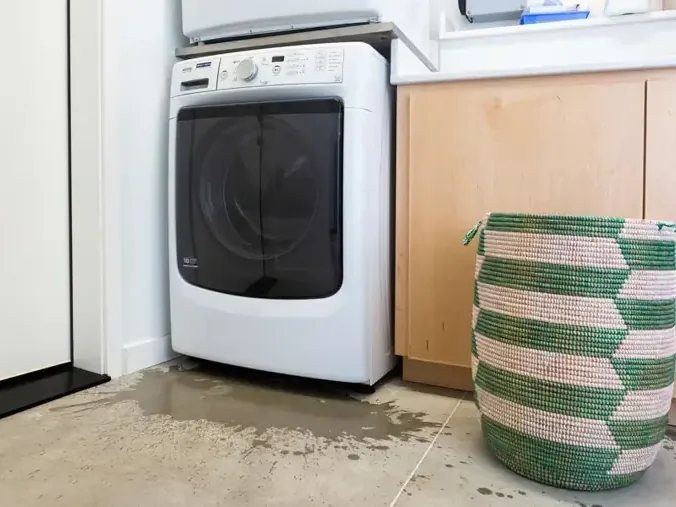
A room near Cali Drive should be described by its floor type and the source of the spill. Where the release began at a machine, appliance leak cleanup can include the obscured flooring beneath it and the cabinet base beside it.
Choose the drying method before finish repairs
Targeted floor equipment may suit some retained assemblies, while other conditions require selective access or removal. The decision depends on water contact, material damage and the route available for moisture to leave. No surface treatment can substitute for addressing trapped water below.
Structural drying provides a record of progress in the retained materials. The later flooring decision should account for those readings and the board condition, separating drying work from sanding, refinishing or replacement that belongs in the repair scope.
A useful assessment request describes when the water appeared, how far it spread and which boards changed shape. Photographs of transitions and visible movement help preserve the original pattern before furnishings or damaged flooring sections are moved.
Changed board edges deserve a evaluation of the layers beneath them. Describe the spill, the visible movement and any wet area hidden beneath appliances or cabinets.
(888) 471-9821Discuss the boards and substrateHardwood floor water damage in Florham Park
Hardwood assessments in Florham Park follow the affected boards, transitions and underlying layers, with each property's floor construction determining access and drying options.
The same service nearby: hardwood floor water damage in Livingston, Chatham, East Hanover.
Water damage restoration in Florham Park · every town covered
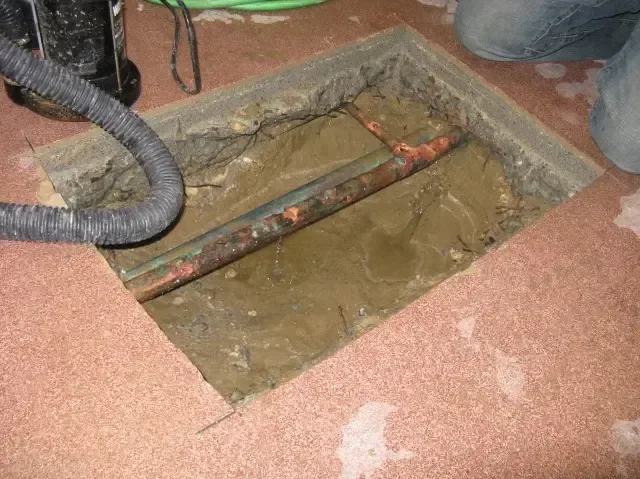
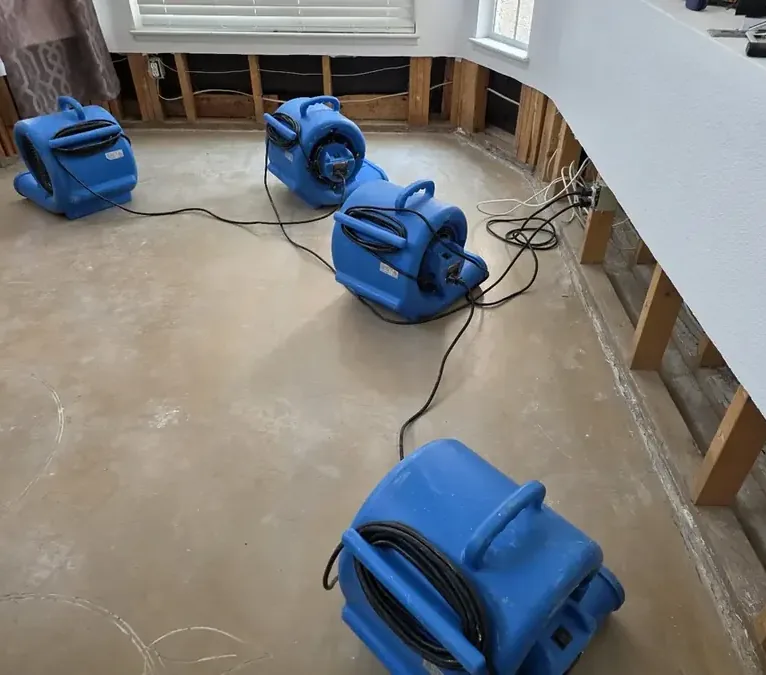
Other water problems to check
Hardwood Floor Water Damage questions
Do raised board edges mean the floor must be replaced?
The decision depends on material damage, exposure and moisture conditions. Assessment considers the boards and substrate before selecting drying, removal or later repair work.
Can a wood surface dry while the substrate stays wet?
Yes. Moisture can remain beneath boards after the finish looks improved. Readings and available underside access help evaluate that concealed part of the assembly.
Should sanding begin while the boards are still changing?
Floor repair should follow the moisture evaluation. Surface changes during drying need assessment before cosmetic work alters the boards or the original damage pattern.
Are floor drying mats suitable for every loss?
Suitability depends on the floor construction, contact conditions and material damage. The drying method should follow the inspected assembly rather than a standard equipment choice.
Why inspect wood beneath an appliance after a spill?
The appliance can hide the wettest section and restrict airflow. Safe access beneath it helps evaluate boards and substrate outside the visible puddle.
What information helps the flooring repair handoff?
Moisture readings, board condition and documented removal areas explain the retained assembly. The repair scope can then address refinishing or replacement with that context.
Make the floor decision after assessment
A measured cleanup plan can connect water removal with retained wood drying and the later choices about repairing the floor surface.