Appliance Leak Water Damage in Livingston, NJ
An appliance leak can stay hidden beneath cabinetry until water reaches an open floor. The restoration team checks the supply or discharge source, then maps the wet base and adjacent materials.
(888) 471-9821Check behind the leaking appliance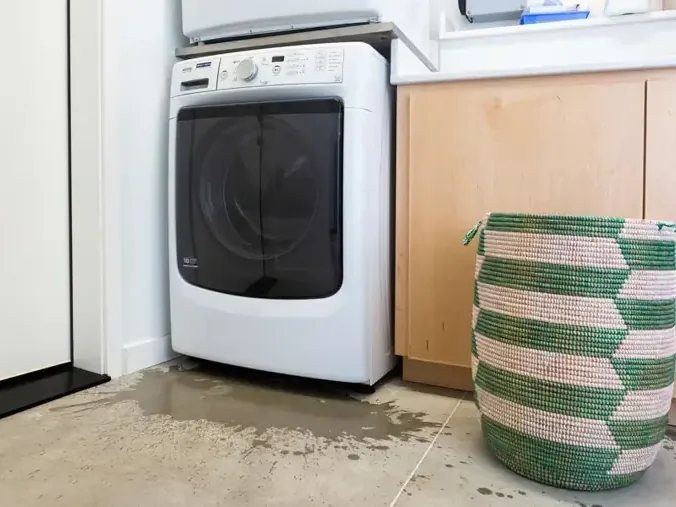
First steps for appliance leak water damage
- 01Stop the cycle safely
Do not run the appliance again to test the leak; arrange safe isolation without touching wet plugs or switches.
- 02Identify the cycle stage
Note whether water appeared during filling, washing or draining, since that detail can help the source investigation.
- 03Keep the cabinet area open
Remove accessible dry items from nearby cabinets without dismantling swollen panels or forcing a heavy appliance out alone.
- 04Check below from safety
Report stains in the room underneath and photographs of wet seams so the assessor can follow the whole route.
How the team handles appliance leak water damage
Supply hoses, drain connections and appliance discharge create different exposure conditions. The mitigation plan identifies the source before deciding whether floor layers and cabinet components can remain.
Identify the release type
The source professional determines whether supply or discharge escaped, while the mitigation assessor records the contact path and affected materials.
Reach the hidden floor
Controlled appliance access allows inspection beneath the unit and cabinet edges, revealing moisture that surface wiping cannot remove.
Dry or remove damaged layers
The contractor evaluates swollen components and trapped floor layers, choosing access and drying methods that match their condition and contamination.
Recheck before reinstatement
The drying specialist repeats readings around the appliance footprint and adjoining rooms before replacement components conceal the affected surfaces again.
What does appliance leak water damage cost in Livingston, NJ?
Appliance leak cleanup commonly ranges from $700 to $4,500. Water beneath cabinets, damaged underlayment or leakage into another level can raise the scope beyond a simple surface recovery.
The assessment separates immediate mitigation from later repairs. Review the material decisions and equipment allowance in the written scope.
(888) 471-9821Discuss the appliance footprintOpen floor spill
- Accessible water recovery
- Source description
- Focused moisture measurements
Cabinet and floor spread
- Toe-kick access
- Layered-floor assessment
- Controlled equipment placement
Concealed multi-room loss
- Expanded cavity checks
- Damaged panel removal
- Additional drying verification
Scope factors: Water category, wet square footage, material class and the delay before drying change the equipment and removal required.
Use the water damage cost calculator for a planning estimate; a site assessment determines the work.
Appliance Leak Water Damage work stages
- 01
Identify the release type
The source professional determines whether supply or discharge escaped, while the mitigation assessor records the contact path and affected materials.
- 02
Reach the hidden floor
Controlled appliance access allows inspection beneath the unit and cabinet edges, revealing moisture that surface wiping cannot remove.
- 03
Dry or remove damaged layers
The contractor evaluates swollen components and trapped floor layers, choosing access and drying methods that match their condition and contamination.
- 04
Recheck before reinstatement
The drying specialist repeats readings around the appliance footprint and adjoining rooms before replacement components conceal the affected surfaces again.
A kitchen along Northfield Avenue may show only a narrow wet seam while moisture spreads under the cabinets. An appliance loss near Livingston Avenue or within the mixed-use Livingston Town Center also needs access to adjoining spaces when water crosses a shared wall or floor boundary.
Supply water and discharge are different sources
A failed inlet hose releases pressurized supply water, while a dishwasher or washing-machine drain may carry detergent and soil. The source affects contamination decisions and the handling of absorbent finishes. The assessor should record what the appliance was doing when leakage appeared rather than classifying the loss from the machine's name.
Moving a heavy appliance without planning can damage a connection or spread water farther. An appliance or plumbing professional should make the source safe. The mitigation technician then checks the floor beneath the unit and the cabinet surfaces that normally remain out of sight.
- Look for swelling at toe kicks, cabinet ends and nearby trim.
- Inspect the room below when an upstairs appliance releases water.
- Check seams in resilient flooring where moisture can collect underneath.
- Record whether the leak involved an inlet, drain or internal appliance component.
Hidden cabinet bases need access
A dry countertop says little about the cabinet bottom. Particleboard can swell and lose strength, while enclosed voids restrict evaporation. The restoration contractor assesses condition and access before deciding whether a toe kick, panel or floor section needs removal. The purpose is to expose the wet material, not to replace undamaged cabinetry automatically.
Extraction removes accessible liquid around the unit. The drying team then monitors concealed edges as well as the open room. If water continues emerging from beneath a cabinet, the source or trapped reservoir still needs investigation before the drying setup can be considered effective.
Keep the repair and drying sequence clear
An appliance repair does not determine that surrounding materials are dry. The owner should retain the source findings and the restoration record together. The technician documents the wet footprint before removal, and the repair contractor uses the resulting material information when planning new cabinet or flooring components.
Do not unplug an appliance while standing on a wet floor or reach behind a machine with uncertain electrical contact. Avoid running another wash or rinse cycle to reproduce the leak. Stop use and arrange safe isolation. The source investigation should prevent a new release while the mitigation team examines the floor, cabinet base and rooms below.
Water beneath a machine can reach cabinets before it becomes visible. Explain the appliance cycle and the first wet seam so hidden areas receive attention.
(888) 471-9821Discuss the appliance footprintAppliance leak water damage in Livingston
Water damage assistance covers ZIP 07039, Northfield Center, Livingston Center and Livingston Circle. The assessment follows the wet materials in each building.
Other water problems to check
Appliance Leak Water Damage questions
Is every appliance leak clean water?
No. A supply hose and a used-water drain produce different exposure conditions. The assessor considers the actual source and contact path before classifying the loss.
Can a wet toe kick dry in place?
Condition, material and access determine the answer. Swollen or trapped cabinet components may require removal even when the open floor has already dried.
Should the appliance be moved immediately?
Heavy units and connected supplies need safe handling. A qualified source professional should address the connections before the mitigation team inspects the hidden footprint.
Why inspect a downstairs ceiling?
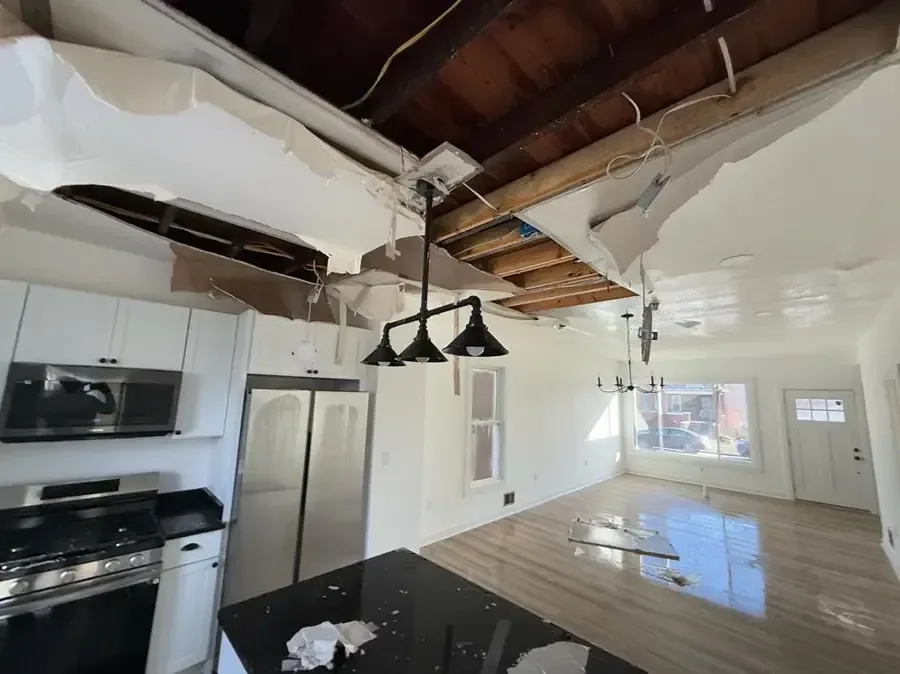
An upstairs leak can pass through floor penetrations and framing. The lower room may show damage after the appliance area appears to have stopped leaking.
Does replacing the hose finish restoration?
A new hose prevents that source from continuing, but it does not remove moisture already in cabinets and floor layers. Those materials need their own assessment.
What records help explain the loss?
Keep the appliance or plumbing findings, photos before removal and material readings. Together they distinguish the source repair from the work needed to dry the building.
Look past the puddle at the machine
The restoration team checks concealed bases and adjoining rooms after the appliance source is safely isolated.