Water Damage Restoration in Roseland
Water spreading beneath a doorway needs more than a towel. Roseland property owners can arrange extraction, material checks and drying that follows the moisture through adjoining rooms and concealed spaces.
(888) 471-9821Discuss the wet roomsThe condition of the building and the source of the water shape the cleanup, access and drying plan.
Make the first decisions from a dry location
Keep the wet area empty
Children, pets and unnecessary foot traffic should stay away from standing water, loose ceilings and surfaces that could conceal electrical contact.
Separate the water source
A known shutoff can stop a supply leak when the valve is reachable from dry ground. The owner should leave an unsafe route to the responding professionals.
Record visible changes
Photographs of water depth, room boundaries and damaged belongings give the assessment a useful starting point without moving through unsafe areas.
Protect nearby dry belongings
Items on dry shelves or outside the affected room can be moved away from spreading moisture while access remains safe and clear.
Explain the sequence
The time the leak appeared, any continuing inflow and affected floor levels help establish which inspection and extraction tasks come first.
Cleanup shaped around the way water entered
Standing water removal starts with pumps and extraction equipment; sewage cleanup also needs controlled access and contaminated material removal. The pages below explain what each problem needs and what a property owner can expect during the work.
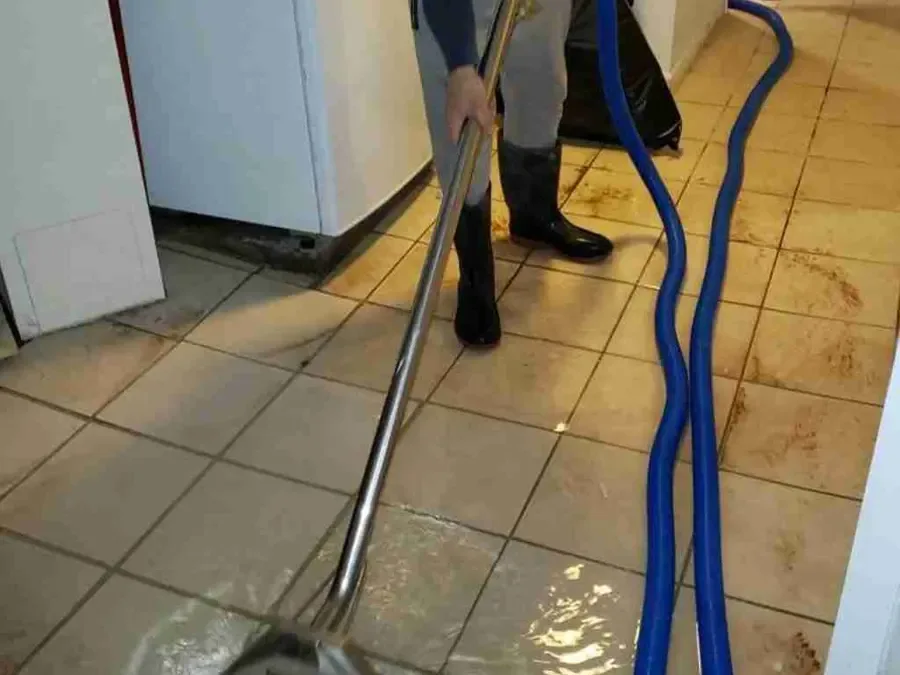 01Water ExtractionStanding water leaves faster with extraction equipment selected for the depth, surface and available access.Explore this service
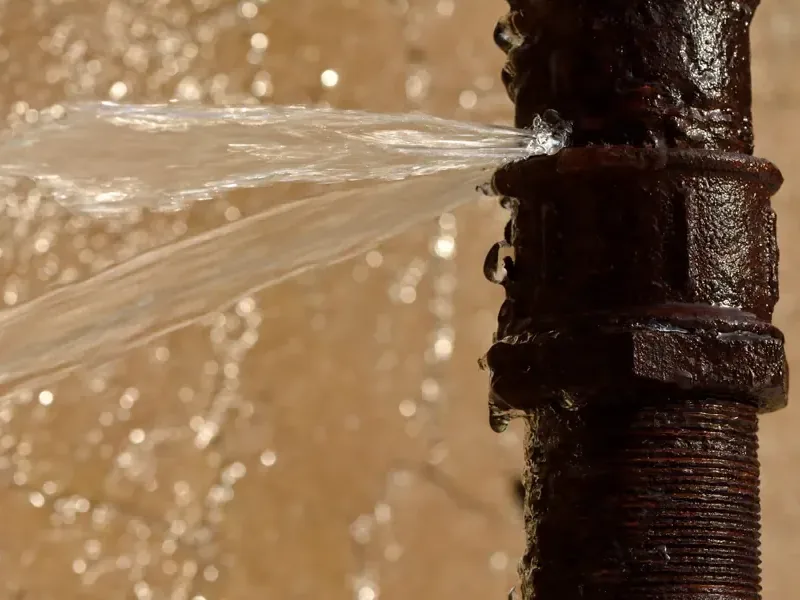 02Burst Pipe Water DamageA ruptured supply pipe can soak wall cavities before the nearest puddle becomes easy to see.Explore this service
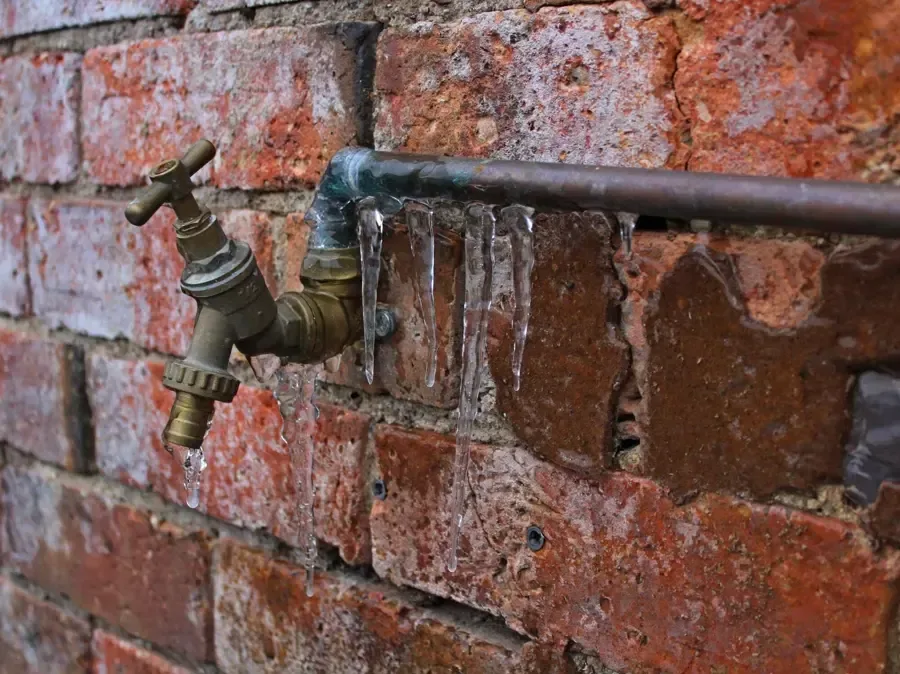 03Frozen Pipe Water DamageThawing can reveal splits that stayed hidden while a pipe remained blocked by ice inside it.Explore this service
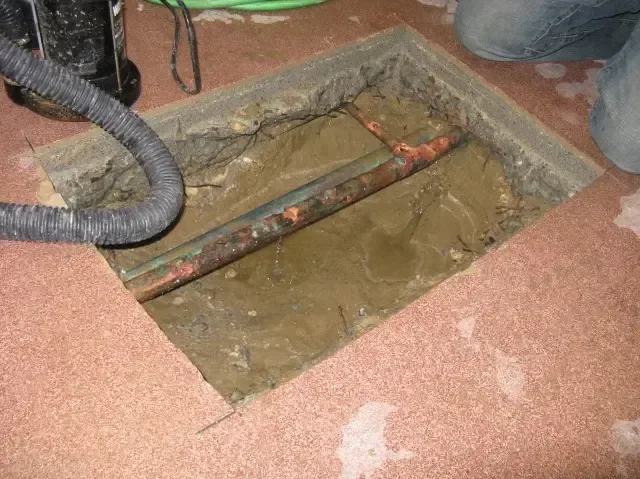 04Slab Leak Water DamageDamp flooring above concrete calls for tracing the plumbing source and checking moisture beneath the finish.Explore this service
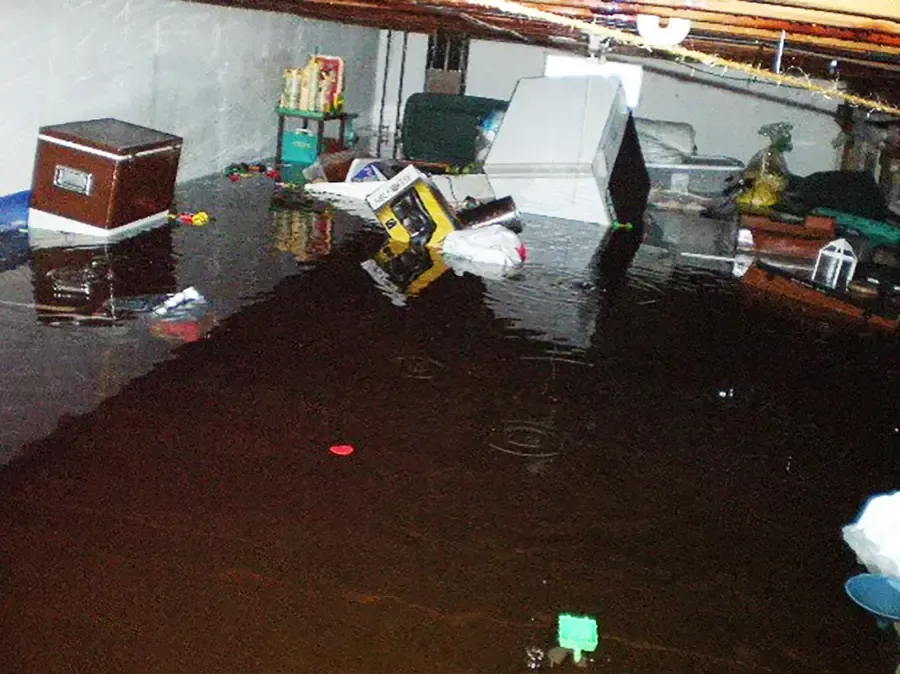 05Basement Water RemovalLower level cleanup considers stairs, stored contents, electrical hazards and water remaining behind finished walls.Explore this service
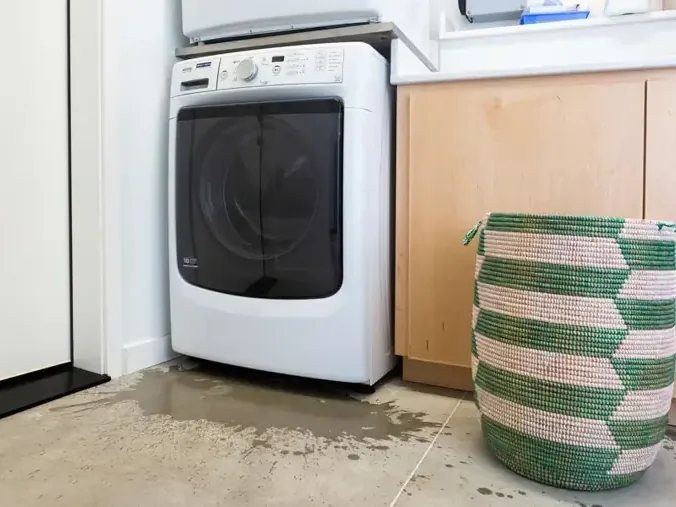 06Appliance Leak Water DamageDishwasher and washer releases often follow cabinet edges into flooring that appears dry from above.Explore this service
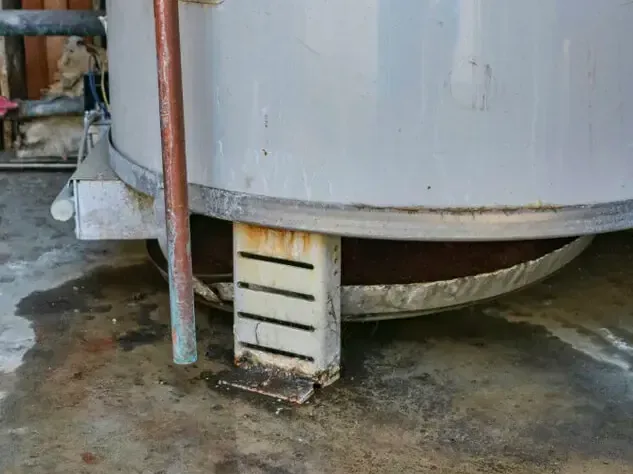 07Water Heater Leak CleanupTank water may reach the platform, neighboring storage and wall bottoms before the leak is noticed.Explore this service
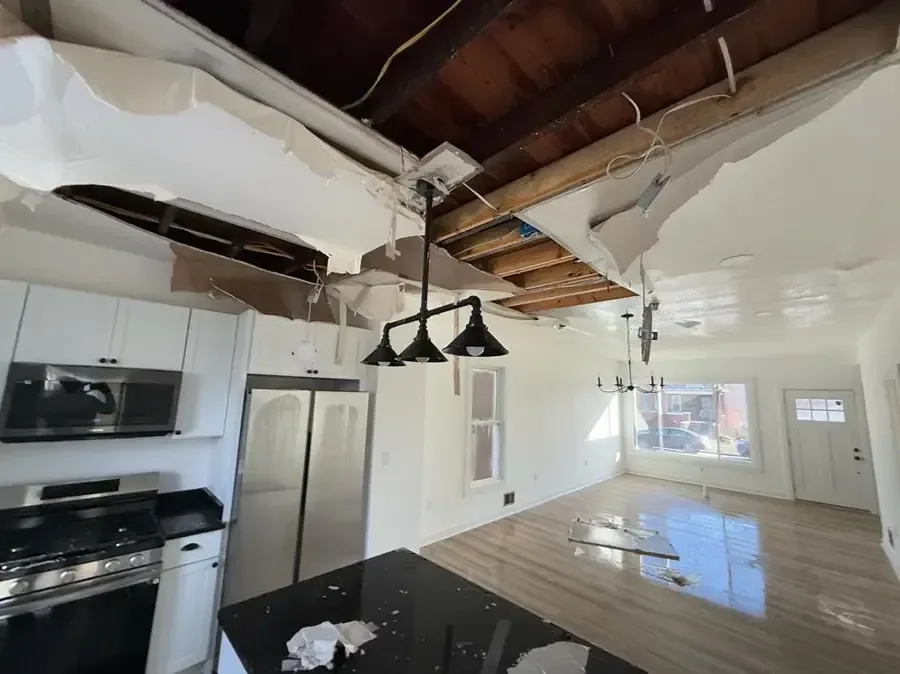 08Ceiling Leak Water DamageOverhead stains require attention to weakened drywall and the cavity between the ceiling and room above.Explore this service
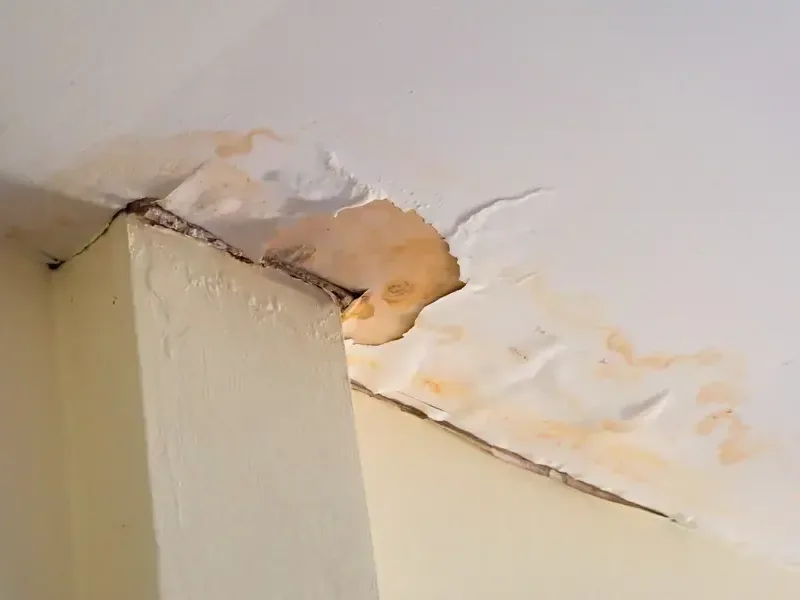 09Roof Leak Water DamageRain entry can leave wet insulation long after dripping stops beneath the roof opening itself.Explore this service
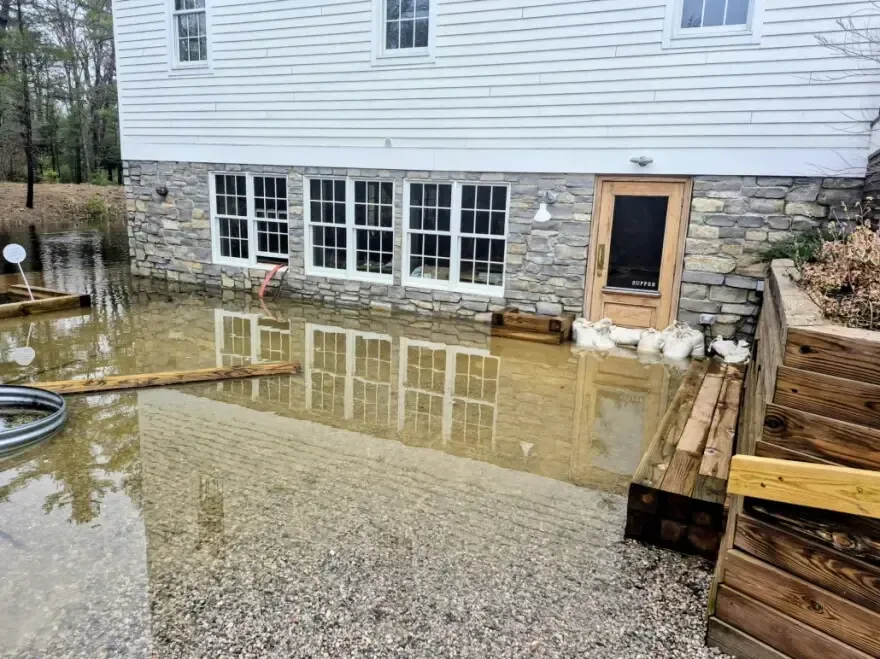 10Storm Flood CleanupOutside water brings a different cleaning problem when sediment reaches interior surfaces and porous belongings.Explore this service
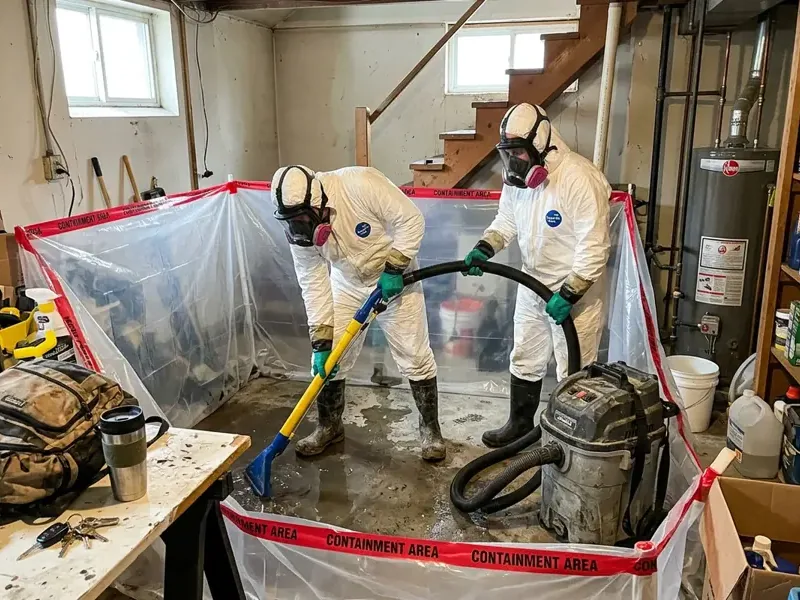 11Sewage Backup CleanupWastewater contamination requires controlled access and careful decisions about affected absorbent materials throughout the cleanup.Explore this service
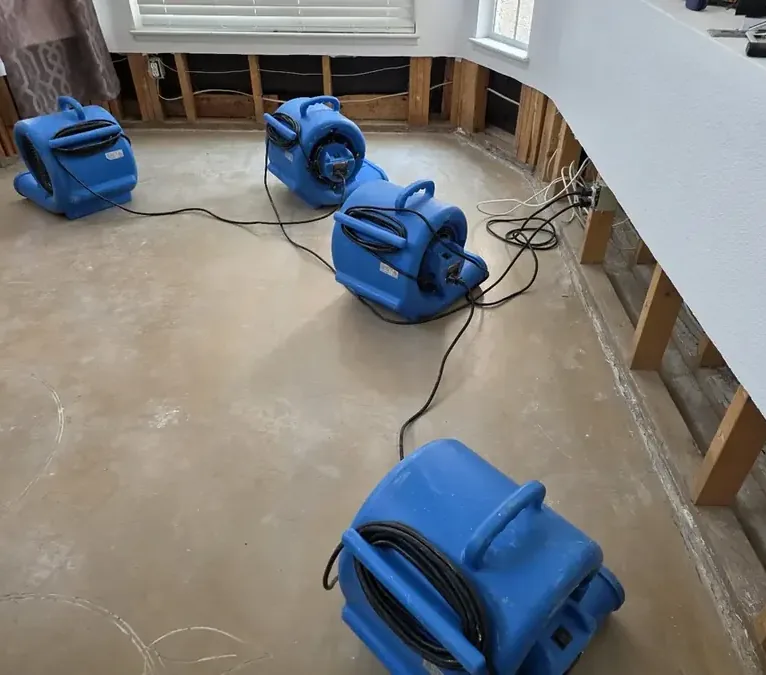 12Structural DryingThe technician checks moisture in walls and floors, then adjusts air movers and dehumidifiers where drying has slowed.Explore this service
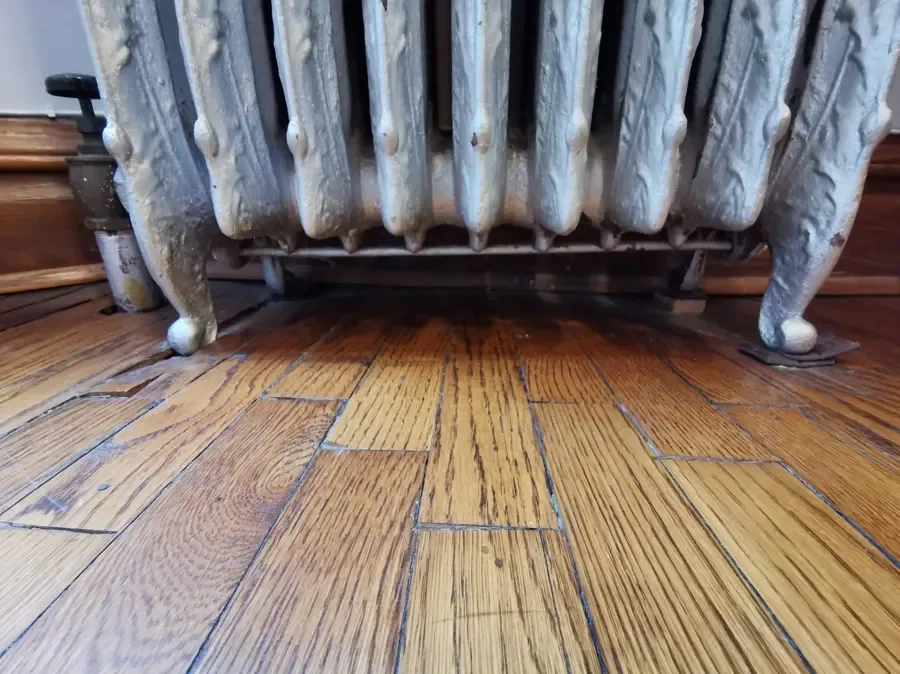 13Hardwood Floor Water DamageRaised board edges warrant checking the subfloor before any cosmetic sanding or refinishing decision happens.Explore this service
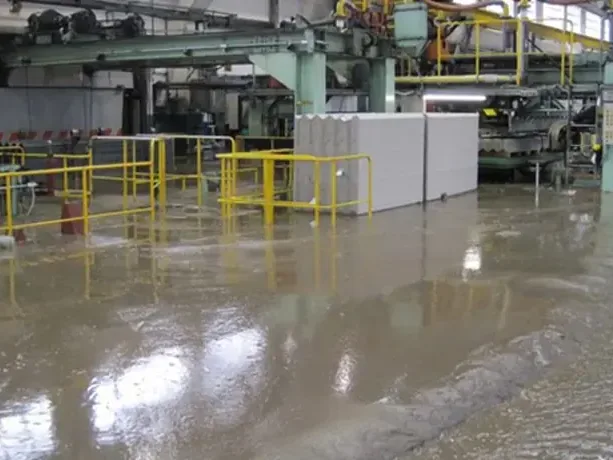 14Commercial Water DamageBusiness cleanup coordinates affected work areas, access routes, contents protection and practical building recovery priorities.Explore this service
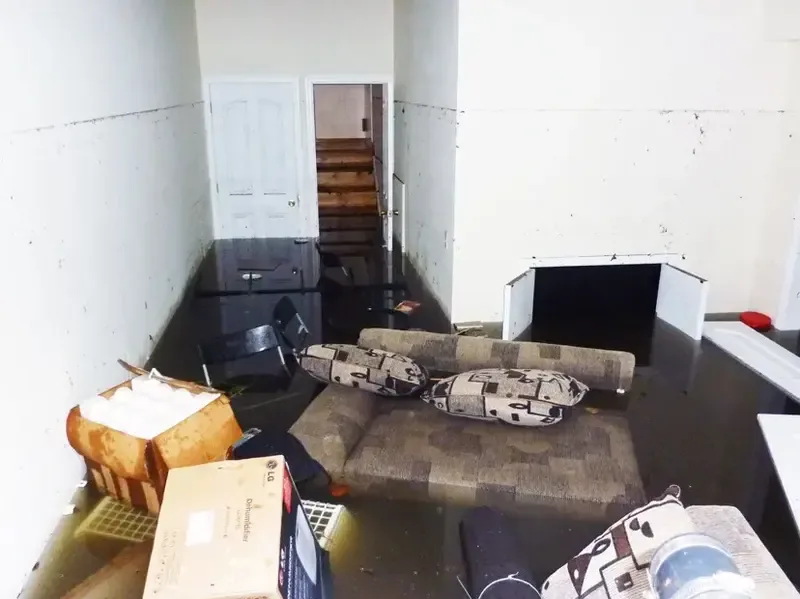 15Sump Pump Failure CleanupAn overflowing sump needs both water removal and an answer to the continuing inflow problem.Explore this service
The visible puddle is only the starting point
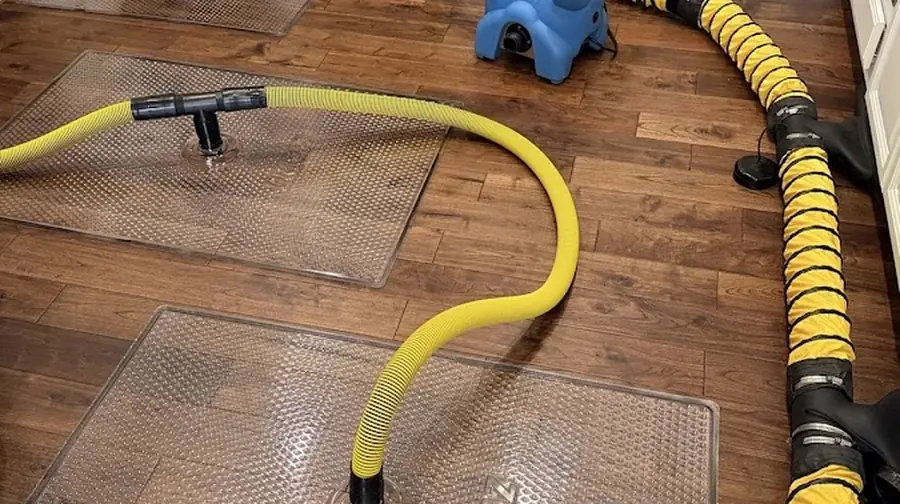
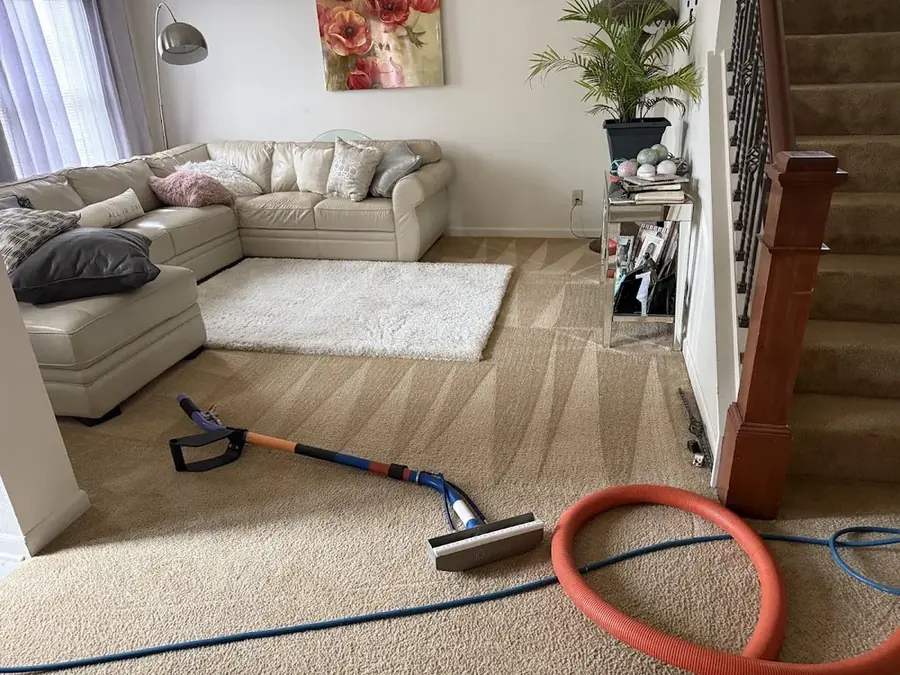
A carpet can feel dry while its backing and the floor below stay wet. The technician checks each layer, explains what can remain and plans drying before the repair crew replaces any finishes.
Follow the path
Assessment follows water around thresholds, through penetrations and along wall bottoms instead of stopping at the outline of the most obvious wet patch.
Match the equipment
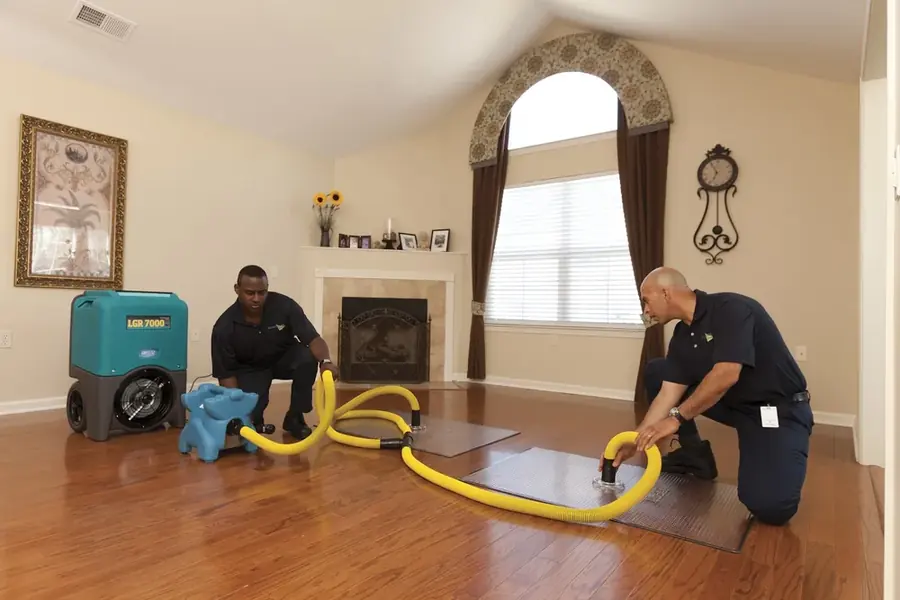
Extraction and drying tools depend on the flooring, material depth and available access, with special attention to enclosed areas that resist ordinary room airflow.
Keep useful records
Photos, affected material notes and moisture readings describe the work as it progresses and give the property owner a record for repair planning afterward.
Check before closing
The technician checks walls and floors before the repair crew covers them. The owner receives the final moisture readings, photographs and a clear list of repairs still to arrange.
An orderly route through a wet building
The work changes as conditions become clearer. Each stage establishes what can safely happen next, from controlling incoming water to deciding when a room is ready for repairs.
- 01
Trace the water source
Inspection identifies whether plumbing, rain entry, ground water or wastewater is still entering and which qualified trade needs to address that source.
- 02
Remove accessible water
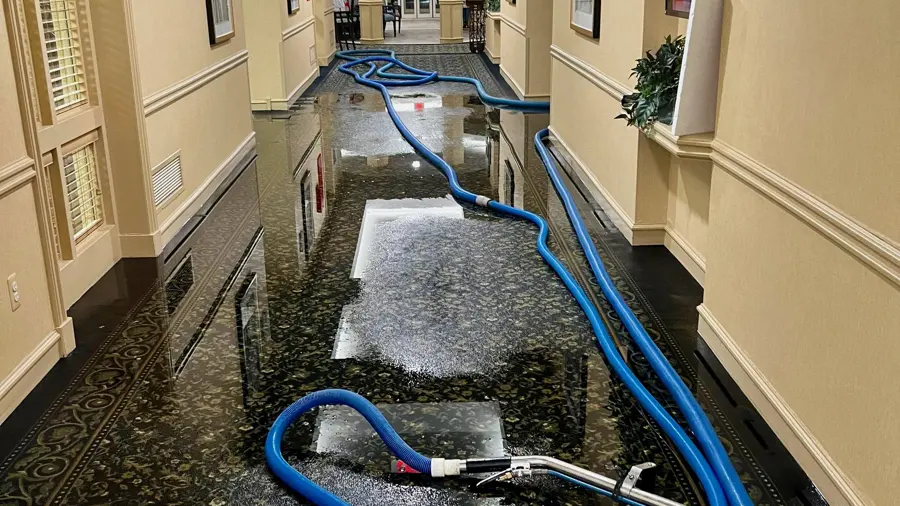
Pumps or extraction tools reduce the liquid remaining on surfaces while equipment placement accounts for doorways, contents and the building's safe access routes.
- 03
Expose resistant pockets
Selective access can reach saturated insulation, floor layers and wall bottoms that would otherwise remain enclosed behind finishes during the drying effort.
- 04
Verify material progress
Repeat readings show how affected materials respond, allowing adjustments before the final notes describe the remaining repair work and areas ready for restoration.
Different water needs different handling
Water from supply plumbing
The crew first needs the broken supply pipe shut off. The inspection then follows the escaped water through rooms and checks the materials it touched before choosing the cleanup method.
Water from broken pipesWater around an appliance
The equipment connection, surrounding cabinetry and nearby floor layers all matter when a small leak keeps feeding a hidden wet area over time.
Appliance spill assessmentWater carrying sewage
Restricted access and removal decisions become central when drain waste contacts porous finishes or belongings that cannot be effectively cleaned in place.
Wastewater cleanup detailsWhat can water cleanup cost in Roseland?
The working range depends on water depth, contamination, affected layers and access. An inspection separates extraction and drying from plumbing or finish repairs, then explains which conditions place the job in a broader scope.
Limited accessible spill
- Open room access
- Small affected footprint
- Few concealed wet materials
Connected rooms and cavities
- Moisture across room boundaries
- Cabinet or wall access
- More equipment placement needs
Extensive or contaminated spread
- Widespread affected porous finishes
- Controlled removal of materials
- Several wet rooms needing attention
A range is a planning reference. The written scope should identify what the cleanup includes, what requires another trade and which findings could change the total.
Keep a usable damage record
A clear account of the water source and affected rooms helps an insurer assess the event. Coverage decisions belong to the insurer and depend on the policy and circumstances of the loss.
Planning payment without a claim
For a privately funded cleanup, an estimate should divide urgent stabilization from later repairs so the owner can understand the order of necessary work.
The owner can ask how disposal, equipment checks and hidden damage affect the price. The contractor explains newly found wet material and any added work before revising the scope.
- Photos of the earliest visible water
- Notes about shutoffs and source repairs
- A list of damaged belongings
- Invoices for emergency cleanup work
- Moisture records and drying completion notes
A closer look at water cleanup work
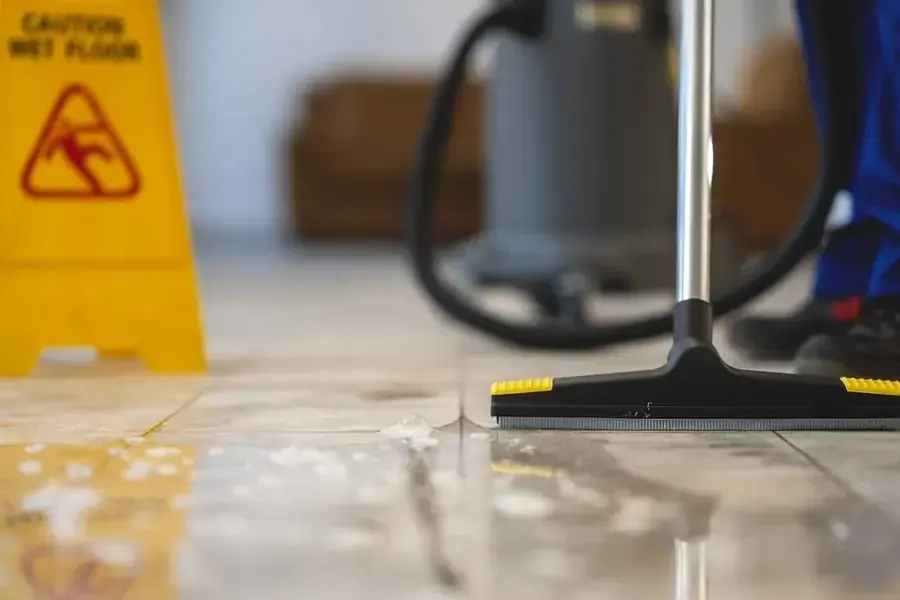
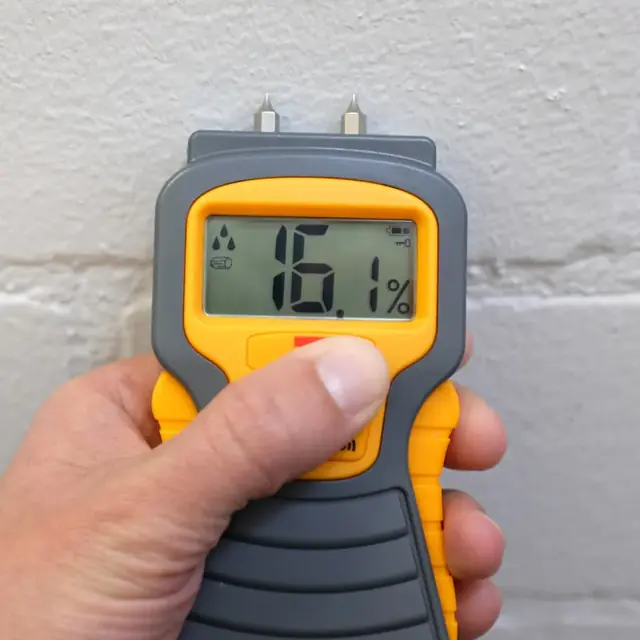
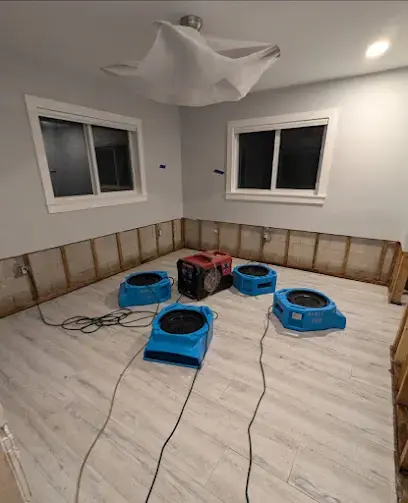
Borough homes and business spaces
Places around the borough
Postal area
07068
Surrounding communities
Describe the building access along with the damage
Roseland is a borough in western Essex County. The former Becker Farm site includes a large business complex, adding commercial spaces to the local setting.
Access instructions, affected levels and ongoing water entry help organize an inspection for homes or business premises around Eisenhower Parkway and elsewhere within the borough.
(888) 471-9821Explain the access and damagePractical context for local property owners
Roseland’s public water notices and drainage advice help owners plan maintenance. Inside a wet building, the crew checks where water entered and what it reached. That inspection identifies soaked flooring, wall cavities and belongings needing cleanup.
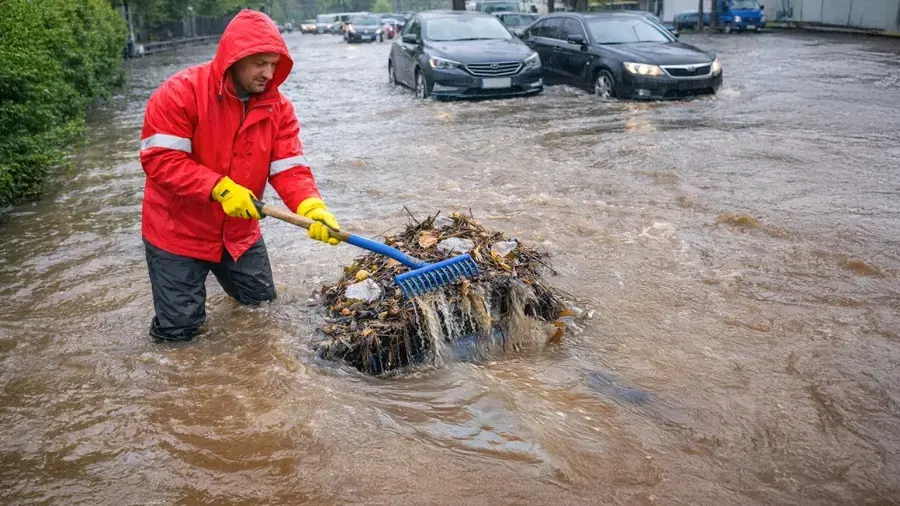
Water damage and drainage example
September 2024: water main break
A water main break closed Eisenhower Parkway toward Roseland. During a public interruption, property owners should follow borough notices while checking any separate water problem inside the building.
- 01Drainage openings. The borough advises clearing debris and snow from nearby sewer grates. Safe maintenance around these openings helps preserve the drainage route when precipitation arrives.
- 02Winter access. Code Enforcement Department winter advice warns that snow can conceal downed wires. Standing water and damaged electrical equipment also require a protected approach to cleanup.
- 03Public water instructions. Significant pressure loss can prompt a precautionary boil water advisory. The borough keeps an advisory in place until repairs and satisfactory water testing are complete.
- 04Landscape and runoff. The Department of Public Works identifies stormwater absorption as a benefit of shade trees. Roof drainage and property maintenance remain useful parts of seasonal planning.
- 05Brook infrastructure. Foulerton's Brook has a borough pedestrian bridge project with a prefabricated bridge and concrete supports. Basement assessment still starts with the actual entry point and materials.
Questions before cleanup starts
What information helps when arranging a water inspection?
Useful details include whether water is still entering, which rooms are affected and whether electricity or ceiling stability presents a concern. Access instructions help prepare for the property's layout.
Should standing water be crossed to reach a shutoff?
A wet route may expose a person to electrical hazards or concealed obstacles. An unsafe valve location should be left alone while the appropriate emergency or utility assistance is arranged.
Can a carpet feel dry while its backing stays wet?
Yes. The carpet backing, cushion and subfloor can hold water after the top feels dry. The technician checks those layers and explains whether they can be cleaned and dried or need removal.
Does a borough water advisory replace an interior cleanup?
An advisory concerns drinking water instructions. Water that escaped inside a property still needs source control, removal and an assessment of wet materials, even while public supply repairs continue elsewhere.
What should happen when sewage reaches a finished room?
Access should be restricted and nearby belongings kept out of the affected path. Contaminated absorbent finishes need evaluation for removal, followed by cleaning and drying of suitable remaining surfaces.
How is the end of drying decided?
The technician measures the same areas throughout drying and compares them with suitable dry materials. Checks beneath flooring and inside opened walls show when the structure is ready for the next repair step.
Is a leak repair included with water removal?
The scope lists water removal, cleaning and drying separately from plumbing, appliance, roof or finish repairs. The contractor coordinates access with the repair trades so a fixed leak is followed by checks of the materials it soaked.
What records are useful for an insurance discussion?
Dated photographs, source repair invoices, room notes and a list of damaged contents help describe the event. The insurer determines coverage after considering the policy and the circumstances of the damage.
Can business areas remain in use during cleanup?
That depends on contamination, electrical safety, access and the separation between occupied and affected spaces. Building management should establish usable routes and operating restrictions before people return to nearby work areas.
Give wet materials a clear path toward recovery
A description of the affected rooms starts the conversation about extraction, safe access and the next material checks needed.