Burst Pipe Water Damage in Livingston, NJ
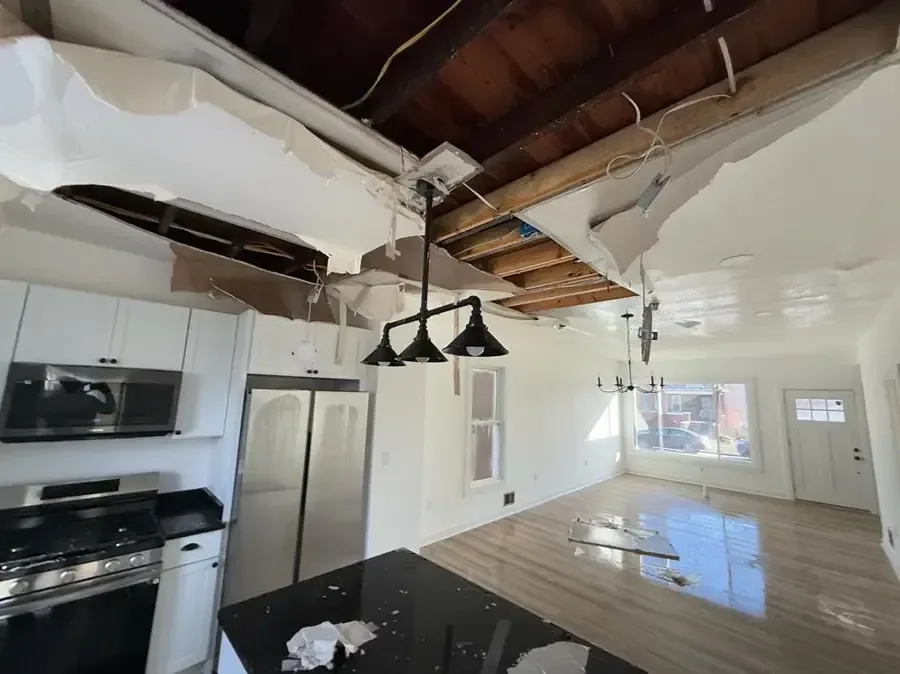
A split supply pipe can drive water through ceilings and wall cavities before anyone sees the floor puddle. The mitigation team follows the pressure-fed spread after the plumber isolates the failure.
(888) 471-9821Trace the pipe-water spread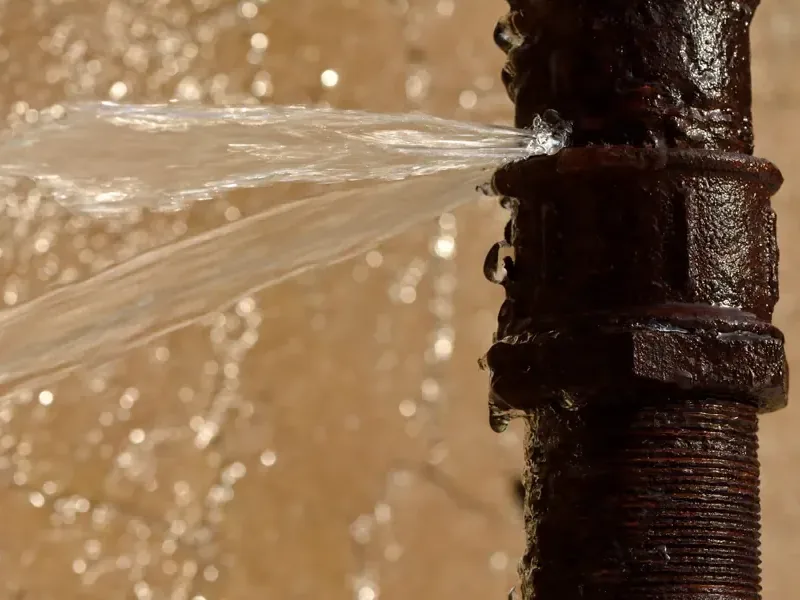
First steps for burst pipe water damage
- 01Use the safe shutoff
A reachable isolation valve can limit further release; avoid crossing a wet electrical area to operate the main supply.
- 02Keep ceilings clear
Move people out from beneath wet or sagging overhead materials and report drips around light fixtures.
- 03Photograph the source
Preserve a view of the failed fitting and the first water marks if access is safe and the pipe is visible.
- 04List affected rooms
Include rooms below the break and closets beside it, even when the carpet or wall surface only feels slightly damp.
How the team handles burst pipe water damage
Pipe repair stops the release; restoration addresses the materials it reached. The contractor separates those tasks and records the condition before opening a wall.
Establish the failure path
The assessor compares the pipe location with stains and readings, checking adjoining cavities instead of assuming gravity carried water straight down.
Recover the released water
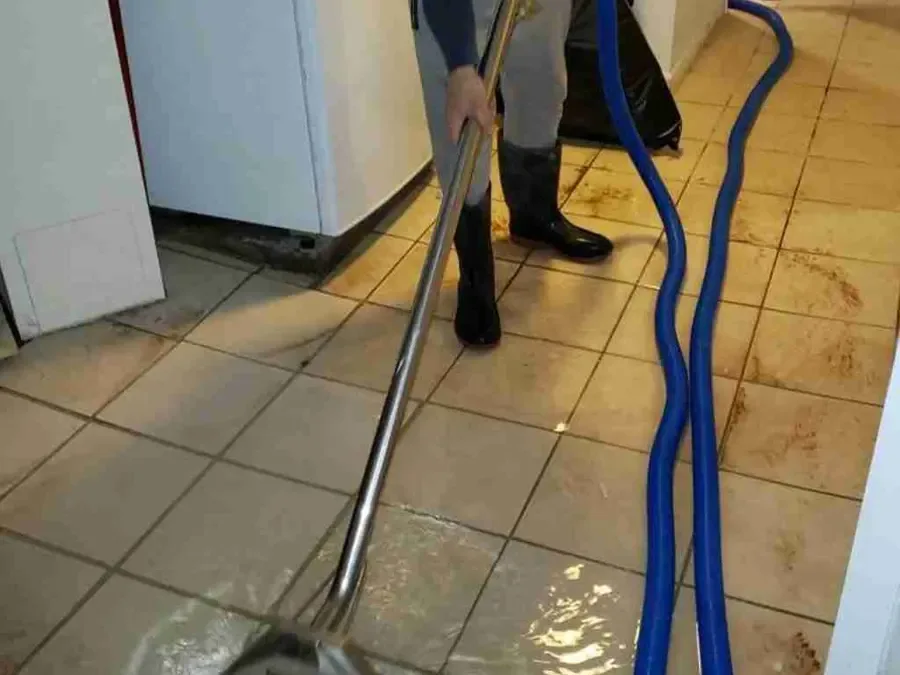
The extraction crew clears accessible flooring and checks absorbent edges, reducing the load before wall and ceiling drying begins.
Expose trapped moisture
The mitigation contractor opens damaged or inaccessible assemblies where necessary, documenting why insulation or finishes cannot remain in the drying plan.
Measure before closing
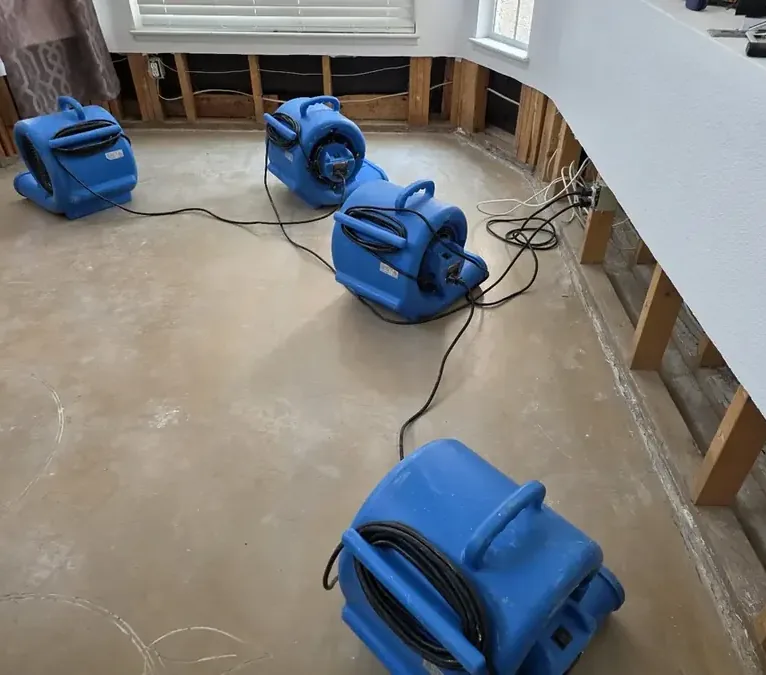
The drying specialist tracks framing and subfloor moisture at marked points so finish repairs do not conceal a still-wet assembly.
What does burst pipe water damage cost in Livingston, NJ?
Burst pipe mitigation often falls between $1,000 and $6,000, with multi-level saturation costing more. The broken pipe repair, affected cavities and time before extraction all influence the overall project.
The assessment separates immediate mitigation from later repairs. Review the material decisions and equipment allowance in the written scope.
(888) 471-9821Map the burst-pipe releaseAccessible limited release
- One wet area
- Surface extraction
- Focused moisture checks
Walls and adjacent rooms
- Selective cavity access
- Insulation decisions
- Controlled drying equipment
Several levels affected
- Broader moisture mapping
- Ceiling and flooring removal
- Additional drying visits
Scope factors: Water category, wet square footage, material class and the delay before drying change the equipment and removal required.
Use the water damage cost calculator for a planning estimate; a site assessment determines the work.
Burst Pipe Water Damage work stages
- 01
Establish the failure path
The assessor compares the pipe location with stains and readings, checking adjoining cavities instead of assuming gravity carried water straight down.
- 02
Recover the released water
The extraction crew clears accessible flooring and checks absorbent edges, reducing the load before wall and ceiling drying begins.
- 03
Expose trapped moisture
The mitigation contractor opens damaged or inaccessible assemblies where necessary, documenting why insulation or finishes cannot remain in the drying plan.
- 04
Measure before closing
The drying specialist tracks framing and subfloor moisture at marked points so finish repairs do not conceal a still-wet assembly.
The township's service-pipe inventory distinguishes customer and utility portions of the supply. A leak along Old Road or near Northfield Avenue still needs a property-level source check: a public main problem and a split interior pipe are different failures with different repair responsibilities.
Follow the release beyond the broken fitting
A pressurized jet may strike the back of drywall, soak insulation or travel along a joist before dripping into the next room. The first visible stain can therefore sit away from the failed connection. The assessor checks the pipe route, rooms below it and the lowest accessible edges of connected walls.
Homes around Livingston Circle cannot be assigned a pipe material from their location. A technician should identify the actual pipe, photograph the failure when accessible and note any previous repair. Guessing an age or material can mislead the source investigation and the insurance record.
- Record whether the supply remained open after the loss was discovered.
- Check the room below a wet bathroom or upstairs utility space.
- Inspect cabinet backs and wall bases on both sides of a leaking partition.
- Separate damaged pipe replacement from the drying and finish-restoration scope.
Opening a cavity for a reason
The mitigation contractor uses readings and material condition to decide where access is necessary. Wet insulation may block evaporation, and damaged drywall may not hold its shape. An opening should expose the affected assembly rather than simply follow the visible stain on the room side.
Once the source is controlled, extraction reduces the liquid load. The drying specialist then directs air into accessible wet surfaces and controls humidity. The contractor must also account for electrical wiring and other services before cutting into the cavity. Moisture measurements inside the wall guide drying even after the exposed surface has been wiped clean.
Keep the source and drying records together
A useful file includes the plumber's source findings, initial photos, moisture measurements and the dates of material removal. The owner can then explain why a repair to one pipe led to drying in several rooms. An insurer evaluates coverage under the policy; the mitigation company supplies the observations and work records.
A rushing sound behind a wall does not justify cutting into it without locating electrical and plumbing services. Keep clear of ceiling bulges and water around light fittings. If the safe shutoff cannot be reached, seek emergency assistance for the supply. The drying crew begins work only after the release and entry hazards have been assessed.
A pipe opening can release water into hidden spaces. Explain the failure location, shutoff status and rooms below it before planning the dry-out.
(888) 471-9821Map the burst-pipe releaseBurst pipe water damage in Livingston
Water damage assistance covers ZIP 07039, Northfield Center, Livingston Center and Livingston Circle. The assessment follows the wet materials in each building.
Other water problems to check
Burst Pipe Water Damage questions
Is pipe repair included in water damage drying?
Pipe repair and mitigation are separate tasks that should appear clearly in the scope. A plumber addresses the failed supply; the drying contractor assesses the resulting material damage.
Why is a room below the break included?
Water can follow framing and service penetrations before appearing downstairs. The assessor tests connected spaces to establish the boundary rather than limiting work to the room containing the pipe.
Can a fresh supply leak become contaminated?
Contact with dirty cavities, prolonged exposure and other materials can change the initial assessment. The contractor records the conditions rather than classifying the loss solely from the original supply.
Must all drywall be removed?
Removal depends on condition, access and the ability to dry the assembly. The mitigation team should explain each opening and document damaged or trapped materials.
What if the meter still shows use?
Continued movement with fixtures off warrants a source investigation. The meter does not locate the break, and normal appliance operation can also affect consumption.
When can the wall be repaired?
Finish work follows acceptable moisture readings and resolution of the source. A fixed calendar date does not replace verification inside the opened assembly.
The pipe is stopped; check the building next
The restoration contractor tests cavities and adjoining rooms so a plumbing repair does not leave moisture trapped behind the finishes.