Hardwood Floor Water Damage in East Hanover
Raised board edges can appear after water moves beneath a wood floor. Recovery examines the finish, board condition and substrate before choosing drying access or deciding which sections will require replacement.
(888) 471-9821Discuss changes in the wood floor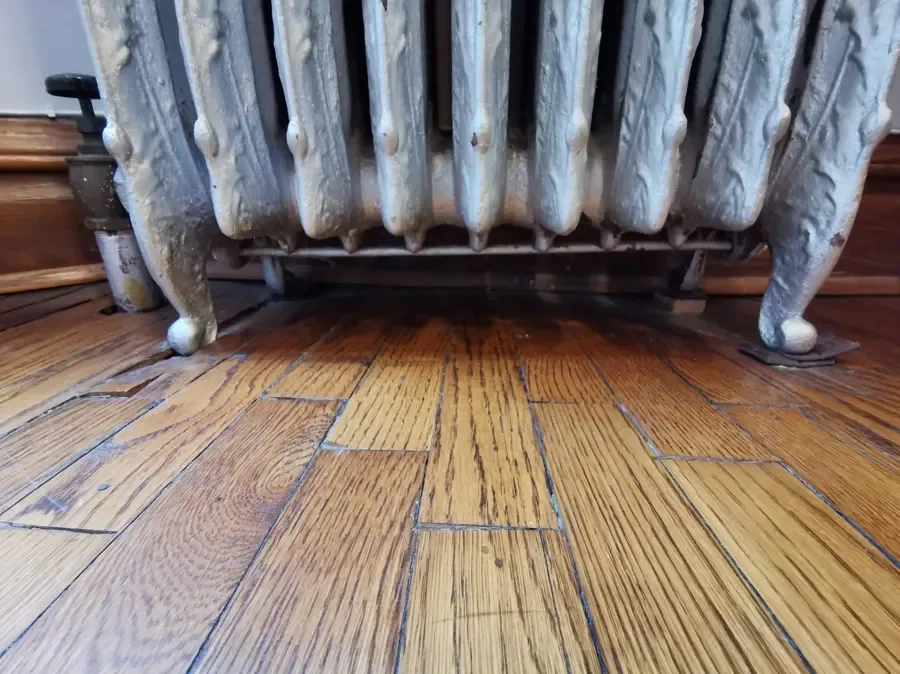
First steps for hardwood floor water damage
- 01Clear accessible surface water
Address a small accessible spill only when electrical and contamination conditions permit. A larger loss needs an appropriate extraction and floor assessment.
- 02Photograph the board changes
Record raised edges, gaps and lifted sections without forcing them down. Include door thresholds and the boundary between wet and unaffected flooring.
- 03Lift loose rugs carefully
When safe and appropriate, uncover accessible wet areas so the floor can be inspected. Avoid dragging saturated coverings into rooms that stayed dry.
- 04Postpone sanding and coatings
Wait for the moisture assessment before surface refinishing. Board shape and substrate conditions need evaluation while the floor responds to the drying plan.
How the team handles hardwood floor water damage
Wood floor restoration evaluates the whole affected assembly, including moisture beneath boards and physical distortion that may remain after drying, before sanding or replacement is considered.
Evaluate the wood assembly
Floor construction and visible distortion establish which board sections and adjoining materials need closer moisture assessment.
Locate moisture under the surface
Board joints, transitions and accessible substrate are checked to establish whether moisture remains below the finish and which locations need targeted access for drying.
Apply an appropriate drying method
The setup considers the retained floor layers and available access, with removal evaluated where damage or trapped water prevents the assembly from being treated effectively.
Assess remaining board damage
After moisture treatment, the handoff documents the floor condition and remaining repair questions so sanding, refinishing or replacement can be considered with the assembly assessment available.
What does hardwood floor water damage cost in East Hanover, NJ?
Hardwood floor recovery costs in East Hanover depend on board condition, substrate access and the extent of trapped water. The estimate should separate drying work from sanding, refinishing and replacement flooring decisions.
The assessment separates immediate mitigation from later repairs. Review the material decisions and equipment allowance in the written scope.
(888) 471-9821Assess the board conditionLimited clean-water footprint
- Small affected board area
- Accessible edge inspection
- Focused surface extraction
Targeted layered-floor drying
- Moisture beneath retained boards
- Substrate access assessment
- Material trend monitoring
Broad or damaged floor layers
- Connected distorted floor sections
- Damaged layer removal
- Expanded drying footprint
Scope factors: Water category, wet square footage, material class and the delay before drying change the equipment and removal required.
Use the water damage cost calculator for a planning estimate; a site assessment determines the work.
Hardwood Floor Water Damage work stages
- 01
Evaluate the wood assembly
Floor construction and visible distortion establish which board sections and adjoining materials need closer moisture assessment.
- 02
Locate moisture under the surface
Board joints, transitions and accessible substrate are checked to establish whether moisture remains below the finish and which locations need targeted access for drying.
- 03
Apply an appropriate drying method
The setup considers the retained floor layers and available access, with removal evaluated where damage or trapped water prevents the assembly from being treated effectively.
- 04
Assess remaining board damage
After moisture treatment, the handoff documents the floor condition and remaining repair questions so sanding, refinishing or replacement can be considered with the assembly assessment available.
A cupped edge or lifted board can make water damage noticeable after the original spill has gone. East Hanover wood floor assessment looks at that movement alongside moisture in the floor assembly. The objective is to understand both retained water and the physical condition of the boards.
The top surface tells only part of the story
Water can enter through joints and collect against the underside of the floor. A polished surface may dry sooner than the substrate, leaving an uneven moisture pattern across the layers. Measurements and accessible underside inspection help determine where the drying method needs to reach.
Sommer Park is at the end of Fairway Drive near Frank J. Smith Elementary School. A nearby property with a wet wood floor can describe the room, board changes and adjacent cabinets during intake. The inspection then evaluates that particular installation and its water contact.
Choose access with the floor construction in mind
The floor type, attachment and substrate influence whether targeted drying is practical. Some damaged layers may need removal to reveal trapped water. Where boards remain, the method should address moisture below them without overlooking adjoining wall bases or transitions into other rooms.
- Photograph lifted edges and changes around door thresholds.
- Record the source and the time the water was discovered.
- Inspect beneath removable rugs without forcing swollen boards apart.
- Keep sanding plans separate from the initial moisture removal decision.
Dean D'ambola Park is off Mount Pleasant Avenue. For a floor loss described in that area, room layout can be as useful as location: a continuous floor across several doorways may need inspection beyond the patch where board movement first appeared.
Let the drying assessment precede finish work
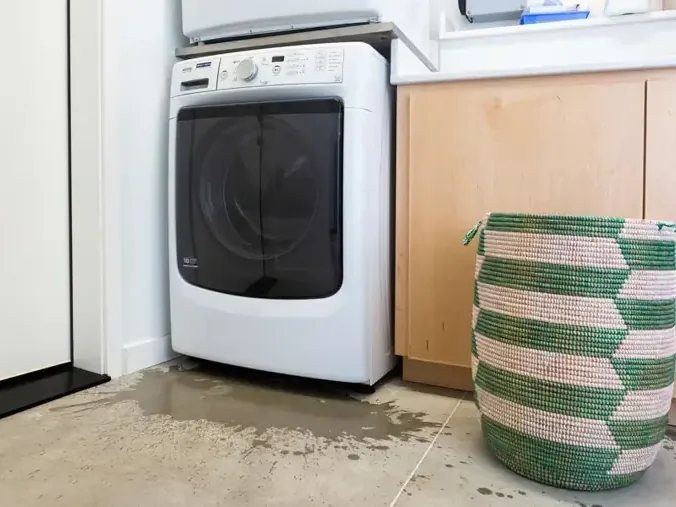
When an appliance caused the loss, appliance recess cleanup may address the source footprint. Structural drying assessment can extend to the substrate and adjoining assemblies. Sanding and refinishing decisions follow evaluation of the resulting board condition.
Early sanding can remove wood while the floor is still changing shape. Ask for a record of moisture conditions and remaining distortion before selecting a cosmetic repair, and keep replacement options tied to the actual damage found in the assembly.
Changing board edges deserve an assembly assessment before sanding. Describe the floor finish, the original water source and any lifted sections or damp transitions between rooms.
(888) 471-9821Assess the board conditionHardwood floor water damage in East Hanover
East Hanover wood floor assessments can include properties around Fairway Drive, with board changes, source information and the adjoining floor layout described during intake.
The same service nearby: hardwood floor water damage in Livingston, Roseland, Florham Park.
Water damage restoration in East Hanover · every town covered
Other water problems to check
Hardwood Floor Water Damage questions
Does cupping mean every board must be replaced?
The decision depends on floor construction, moisture conditions and physical damage. An assessment follows the assembly through drying before establishing what repair or replacement remains appropriate.
Why avoid sanding while the floor is wet?
Boards can change shape as moisture conditions change. Sanding before the assembly is assessed may remove material prematurely and complicate the later decision about the finished surface.
Can water remain under a shiny dry finish?
Water may enter through joints and collect beneath the boards. Surface appearance alone cannot show the condition of the underside or the substrate supporting the floor.
Should furniture be returned after extraction?
Heavy contents can obstruct monitoring and airflow around affected sections. Coordinate their return with the drying plan and keep inspection points accessible until the relevant assessment is complete.
What if only the doorway boards look damaged?
The threshold may be where movement became visible first. Inspect connected flooring and adjoining wall edges to determine whether water traveled beyond that small visible section.
Is refinishing included in the drying estimate?
It should be identified separately if proposed. Moisture recovery, physical repairs and finish work address different parts of the loss and should be understandable within the written scope.
Make the next floor decision from measurements
A drying assessment can show what remains wet and what damage remains afterward, giving the repair discussion a clearer starting point than appearance alone.