Caldwell Water Damage Restoration
A spreading puddle can reach flooring, wall cavities and stored belongings before its source becomes obvious. Restoration starts by controlling that source, identifying affected materials and arranging removal with measured drying.
(888) 471-9821Discuss the wet roomsThe first conversation covers water location, electrical hazards, affected rooms and whether the leak remains active inside the property.
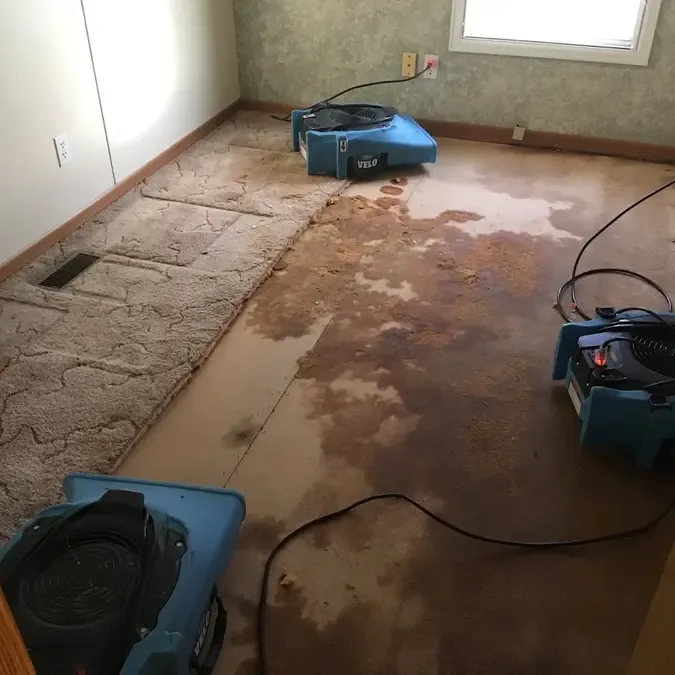
Keep the immediate decisions simple and safe
Keep wet electrical areas closed
Occupants should stay clear of outlets, appliances and panels surrounded by water. Electrical safety comes before retrieving belongings from the room.
Stop a safely accessible leak
A reachable shutoff can reduce additional damage when access is dry and safe. An uncertain valve should be handled by a plumber.
Photograph from a safe position
Wide views and close details help record the original water footprint, affected possessions and visible entry points before cleanup changes the scene.
Separate dry belongings
Items outside the wet area can be moved away from spreading water without crossing unsafe floors or handling contaminated possessions.
Describe the affected spaces
The initial report should identify occupied rooms, hidden spaces nearby and whether the water is still entering or has already stopped.
Choose the problem affecting the property
Water arriving through a roof needs a different investigation from wastewater rising through a drain. These services connect the visible damage with the materials and conditions that determine cleanup.
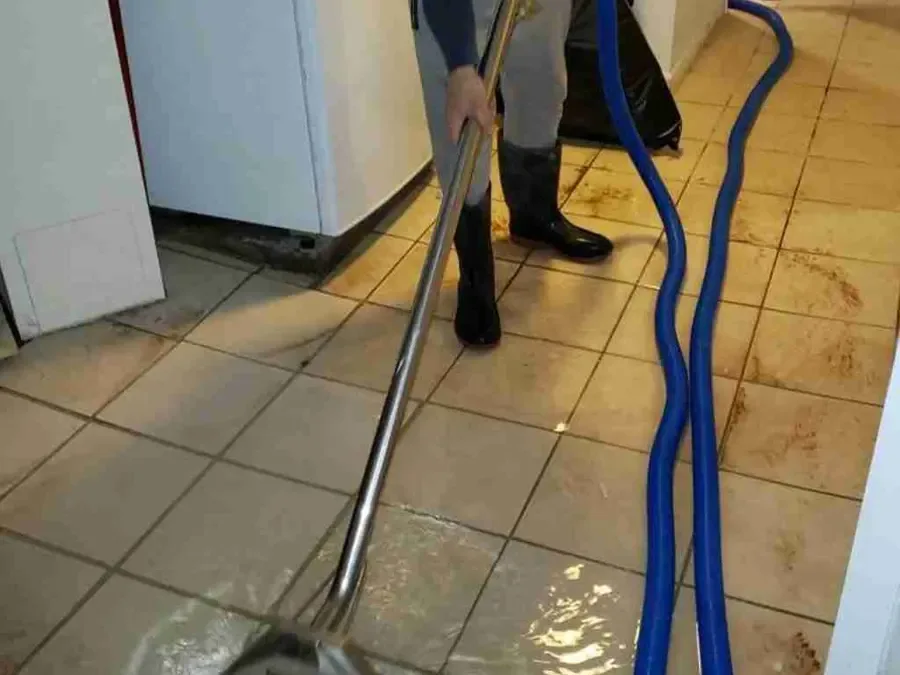 01Water ExtractionStanding water removal opens access to soaked edges, floor seams and furnishings that still need moisture checks.Explore this service
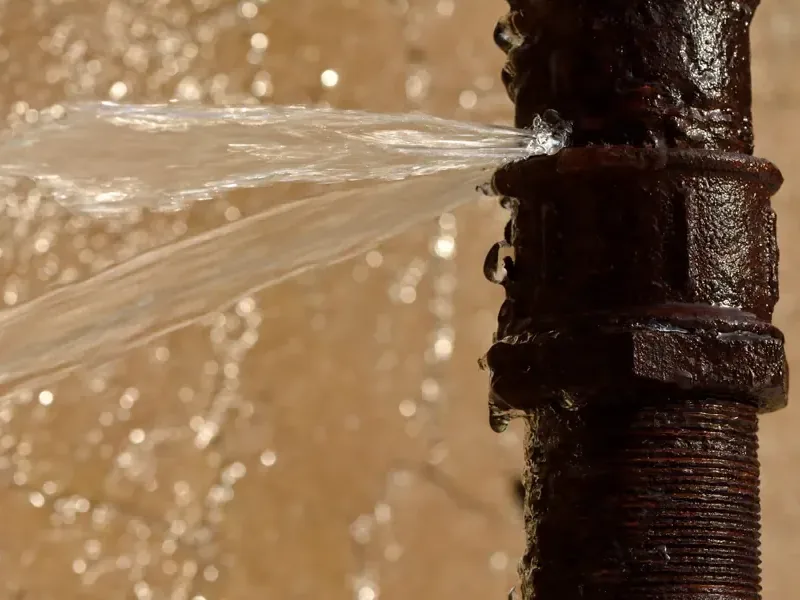 02Burst Pipe Water DamageA split supply pipe requires isolation before the cleanup follows escaped water through adjoining rooms.Explore this service
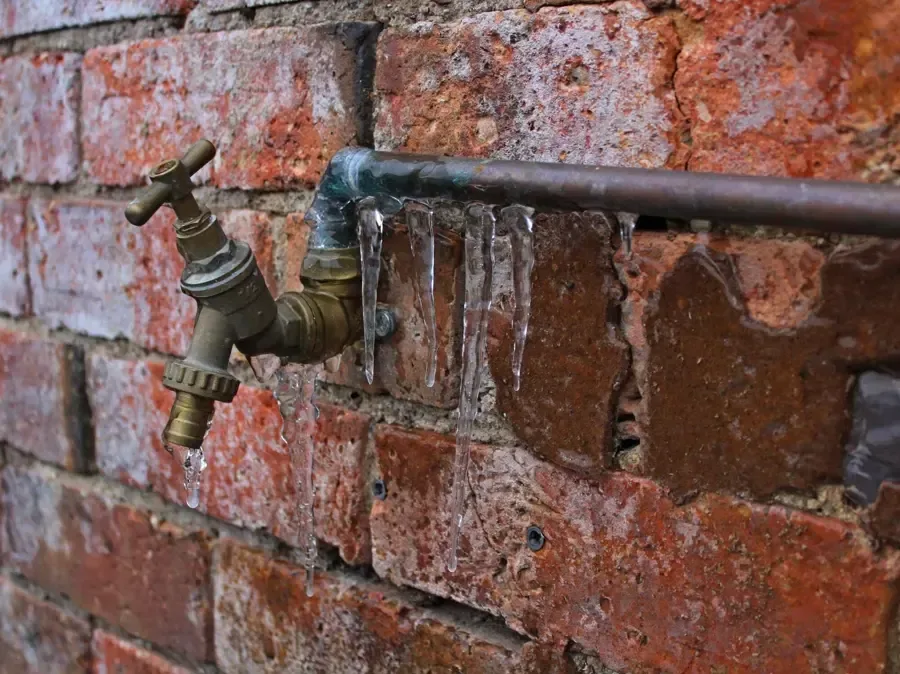 03Frozen Pipe Water DamageThawing can reveal hidden pipe damage, making nearby insulation and enclosed finishes part of the inspection.Explore this service
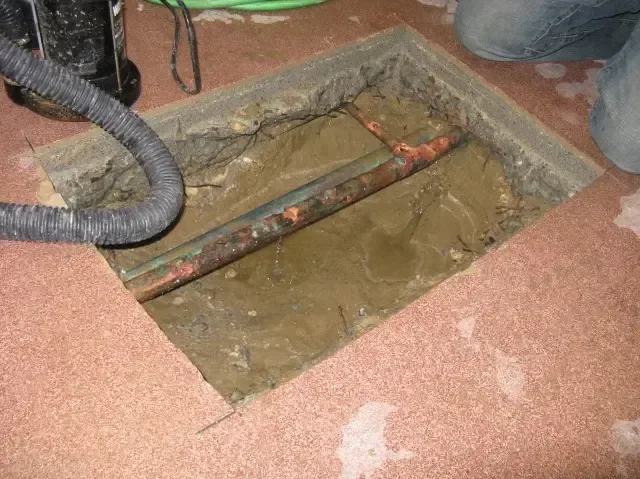 04Slab Leak Water DamagePersistent floor dampness calls for plumbing investigation alongside a separate assessment of trapped moisture beneath coverings.Explore this service
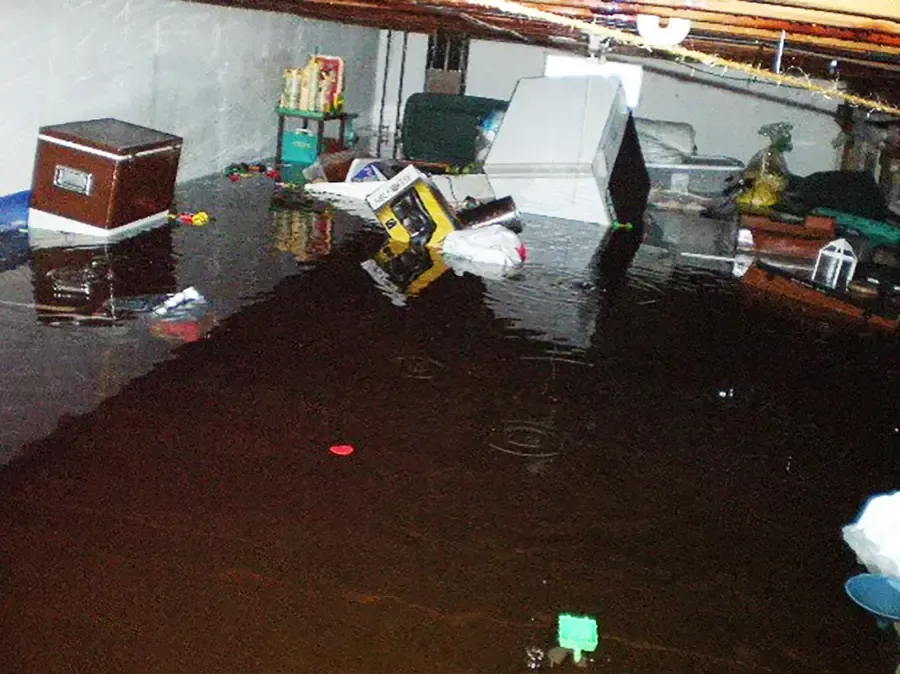 05Basement Water RemovalLower room cleanup considers electrical access, stored possessions and water held along the base of walls.Explore this service
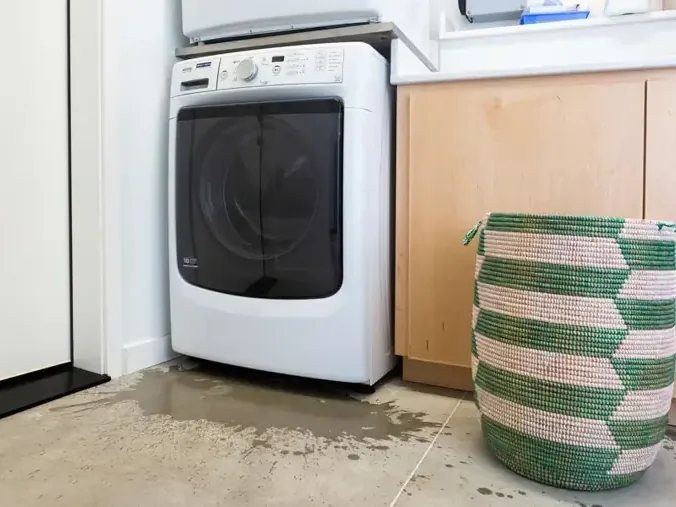 06Appliance Leak Water DamageLaundry and kitchen spills can travel beneath cabinets long before the exposed floor looks extensively wet.Explore this service
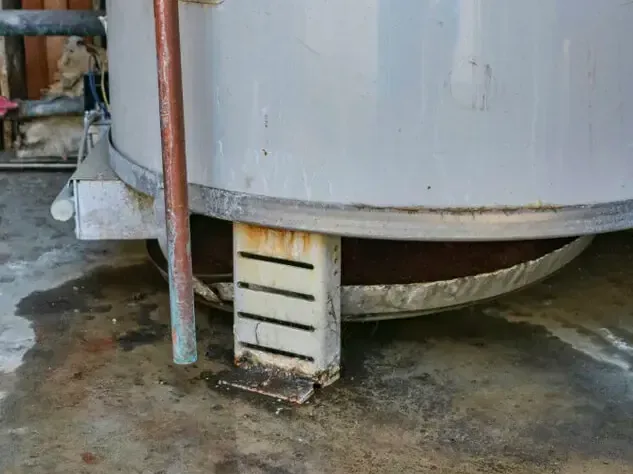 07Water Heater Leak CleanupTank leaks may soak platforms and partitions as well as the floor surrounding the heater itself.Explore this service
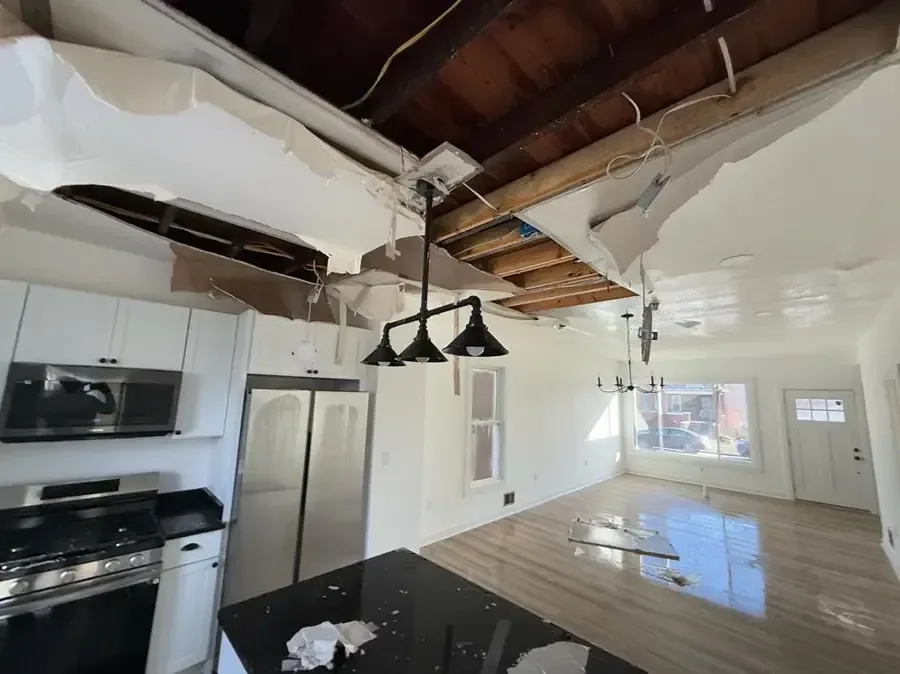 08Ceiling Leak Water DamageStains overhead need source tracing and cavity inspection before damaged ceiling material can be safely repaired.Explore this service
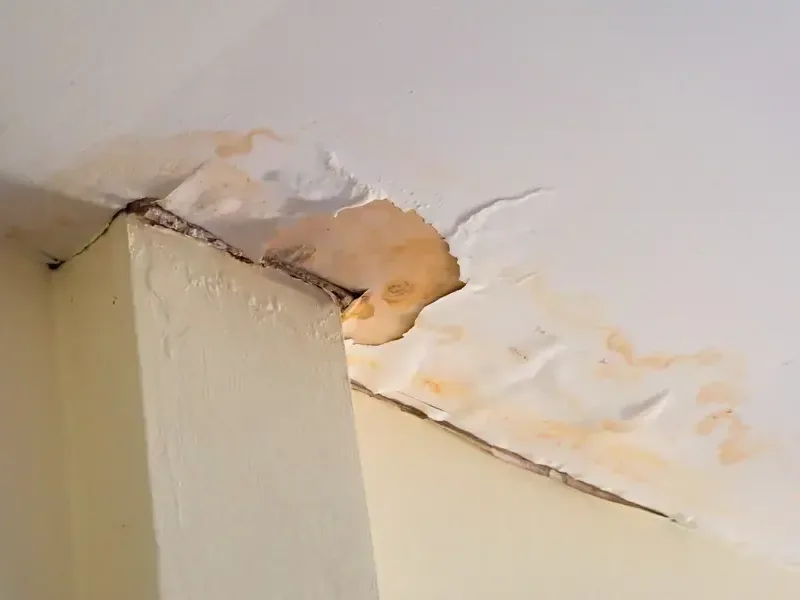 09Roof Leak Water DamageRain entry can wet attic insulation and ceiling layers beyond the drip visible inside a room.Explore this service
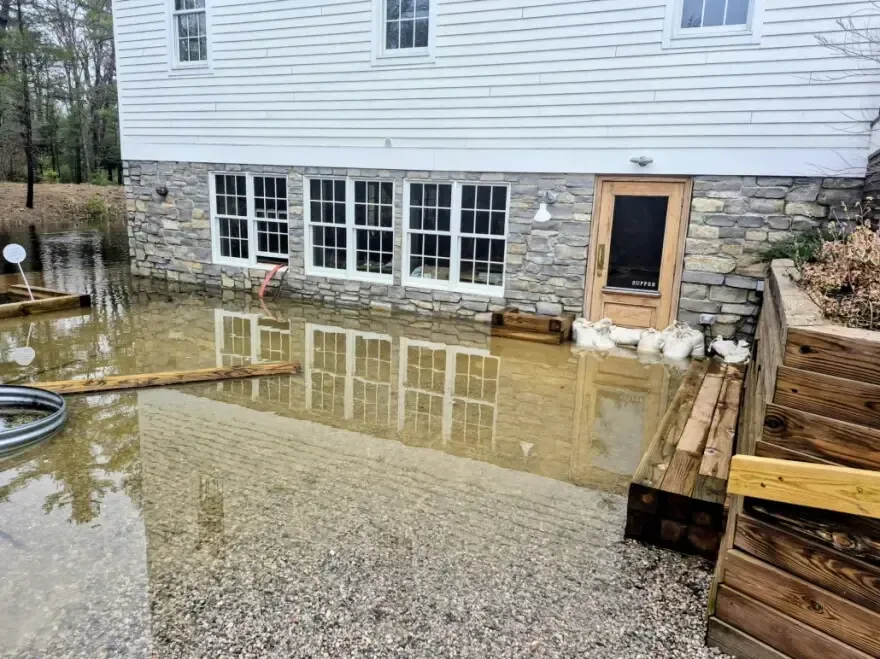 10Storm Flood CleanupOutside water brings cleanup decisions about affected contents, deposits and porous finishes into the recovery plan.Explore this service
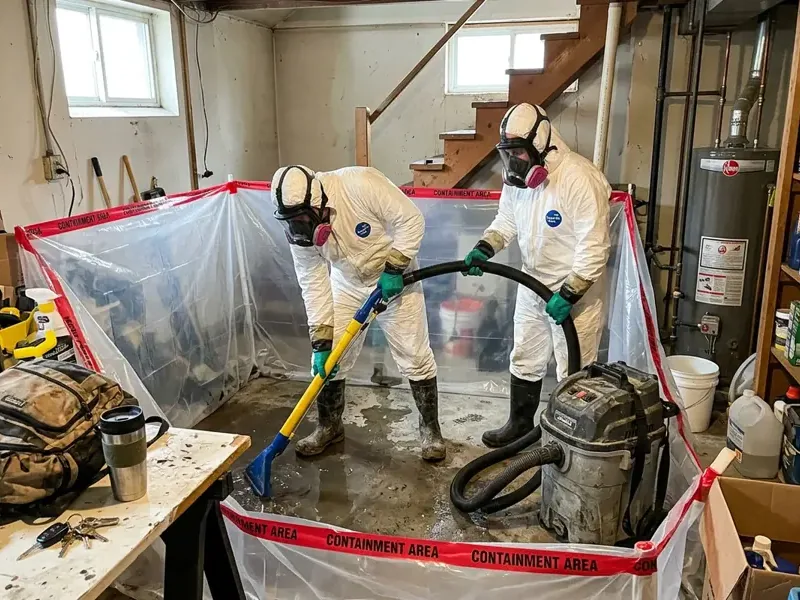 11Sewage Backup CleanupWastewater contact requires controlled access and careful separation of contaminated materials from unaffected living spaces.Explore this service
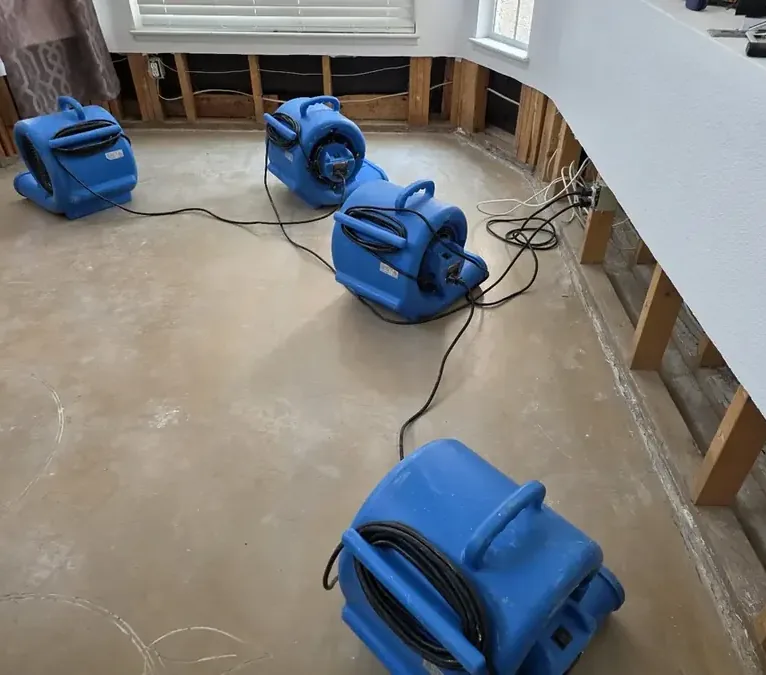 12Structural DryingDaily readings track moisture beneath exposed wood and floor surfaces as equipment dries the room.Explore this service
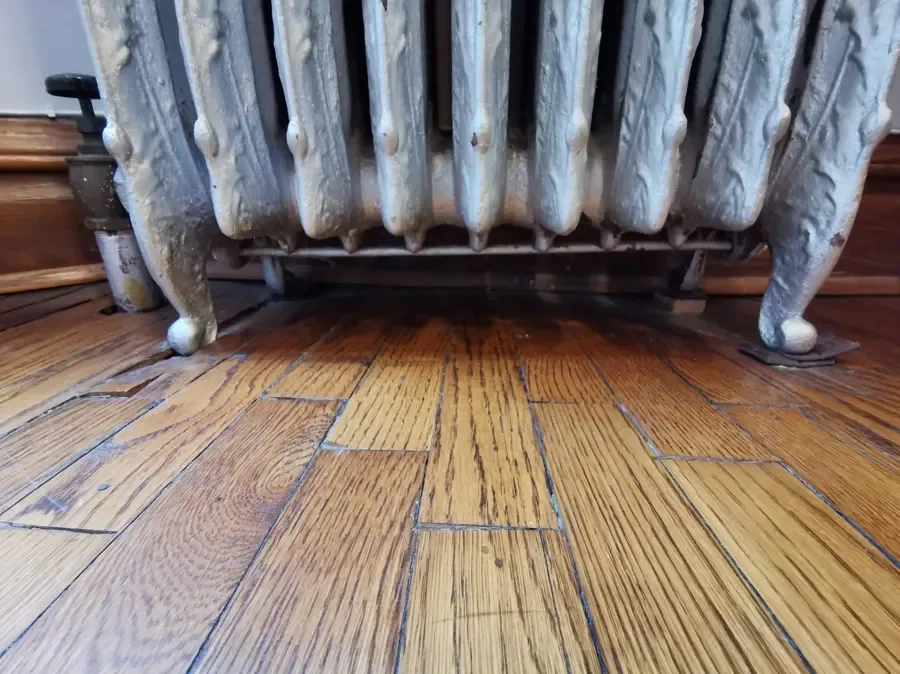 13Hardwood Floor Water DamageRaised board edges deserve an assessment of the wood, its fastening and the subfloor below.Explore this service
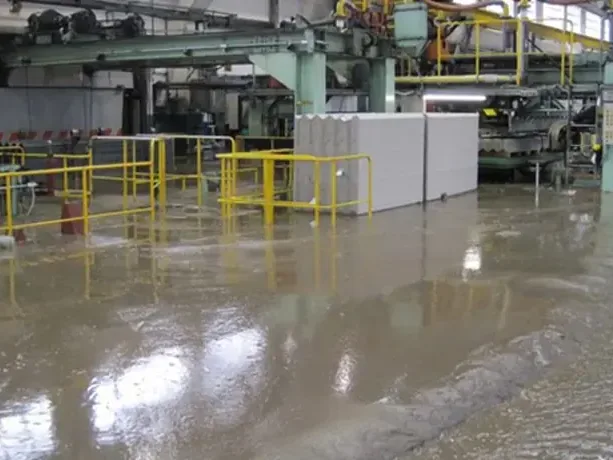 14Commercial Water DamageBusiness recovery coordinates wet inventory, shared access and affected work areas with the building's drying requirements.Explore this service
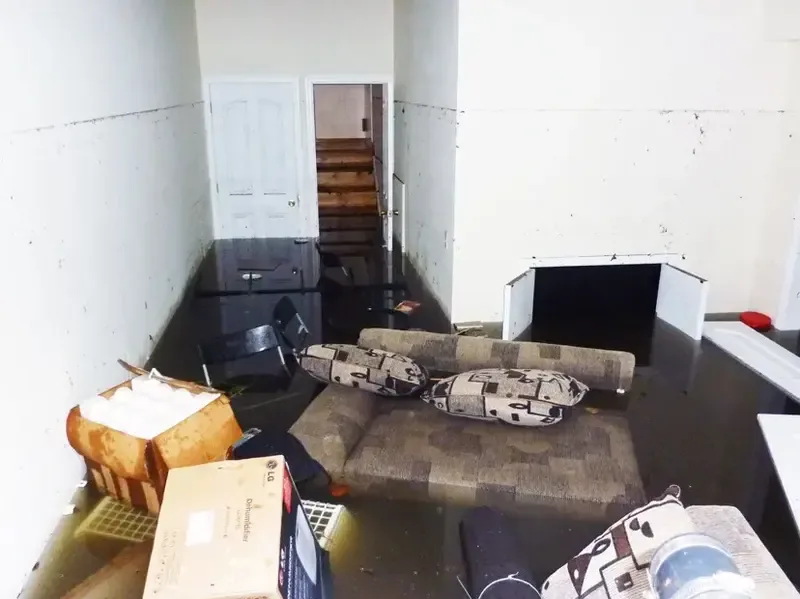 15Sump Pump Failure CleanupOverflow around a collection pit requires attention to incoming water and the equipment intended to remove it.Explore this service
Look beyond the first visible wet patch
The contractor starts at the leak and checks the rooms it reached. Photographs and initial moisture readings give the owner a clear picture of the damage and a way to follow the cleanup.
Water path recorded
Notes should distinguish the suspected entry point from the rooms reached afterward, including openings where water may have passed behind the visible finish.
Materials evaluated separately
Cabinet panels, concrete and insulated walls dry differently. The technician checks each wet material and explains which can stay, which needs opening and which needs replacement.
Changes explained clearly
Opening a concealed cavity may reveal additional saturation. Photographs and measurements should explain why the work expands before a revised scope becomes confusing.
Closure follows measurements
Drying equipment should remain tied to material conditions. Final records make clear what was checked and which repairs remain after moisture treatment ends.
A sequence built around the actual damage
Recovery works best when extraction, cleaning and drying follow a connected plan. Each stage supplies information for the next instead of treating a dry looking surface as completion.
- 01
Establish safe access
The assessment identifies wet electrical areas, unstable finishes and contamination concerns before equipment routes or contents handling begin inside the affected space.
- 02
Remove water and deposits
Extraction clears accessible water while cleanup addresses material left behind. Salvage decisions account for both saturation and the type of water involved.
- 03
Track the drying response
The technician returns to the same wet walls and floor edges to measure progress. If a layer stays damp, the crew changes equipment placement or opens access to the trapped moisture.
- 04
Prepare the repair handoff
The closing record identifies dried materials, removed finishes and any source repairs still needed so reconstruction begins with a clear picture.
The source changes the handling plan
Fresh pipe water
Fresh supply water can become dirty as it crosses a room. The technician checks its path and how long materials have been wet before choosing cleaning or removal.
Cleanup after a broken pipeUsed household water
An appliance discharge can carry soil or cleaning residues into flooring and cabinetry. The appliance cycle and route of escape matter during assessment.
Appliance spill assessmentWastewater contact
Sewage needs separation from normal household traffic. Porous items and affected cavities require careful evaluation before cleaning and drying can proceed.
Wastewater cleanup detailsWhat changes water damage costs in Caldwell?
The amount of visible water is only part of the estimate. Access, contamination, saturated layers and the equipment needed to dry them determine the cleanup scope for each property.
Contained accessible damage
- Limited wet room area
- Simple equipment access
- Few affected finish layers
Connected rooms and cavities
- Water behind wall finishes
- More material moisture checks
- Several spaces requiring treatment
Extensive or complicated cleanup
- Broad affected building footprint
- Contaminated material handling needs
- Complex concealed drying access
These ranges describe cleanup planning, not a property quotation. Plumbing work, roof repairs and replacement finishes should be identified separately when reviewing the written estimate.
Keep the damage story organized
Photos, dates and a room by room inventory help explain what changed after the water arrived. An insurer decides coverage under the policy, while cleanup documentation describes the observed physical damage.
When payment comes directly
A direct payment estimate should separate urgent removal from later repairs so the property owner can understand which decisions address immediate wet conditions.
Questions about optional work, disposal and equipment charges belong in the scope discussion before approval. A written breakdown makes different proposals easier to compare.
- Photograph the original wet area
- Record when damage was discovered
- List affected household contents
- Save repair and cleanup invoices
- Keep moisture reports with correspondence
The spaces and materials involved in cleanup
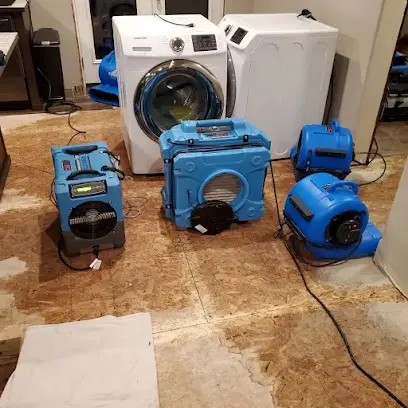
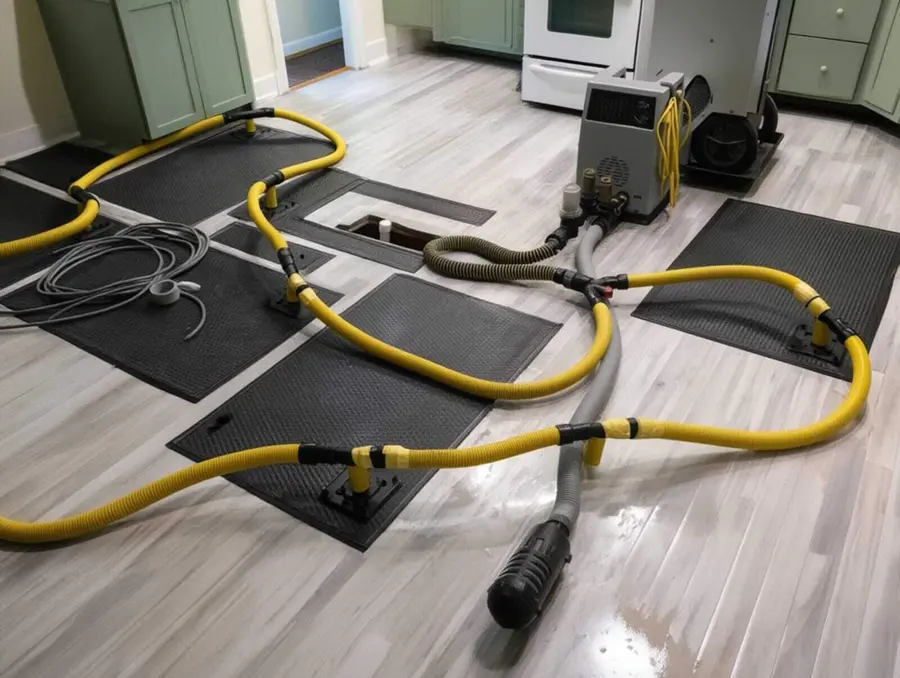
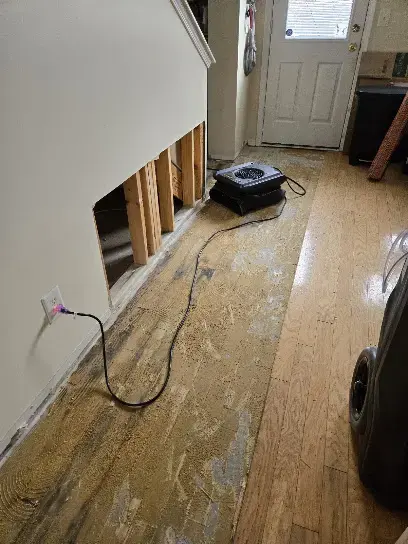
Restoration help across Caldwell
Locations for describing access
Listed ZIP codes
07006, 07007
Nearby town pages
Describe the property and its access
A report can identify the nearest street, the affected level and any locked or shared entrance. Access arrangements help equipment reach the right room.
The town extraction page explains standing water removal, while structural drying covers the moisture that remains inside building materials afterward.
(888) 471-9821Discuss access and wet areasWater concerns around the borough
Caldwell combines homes, public buildings and businesses within Essex County. The contractor asks how water entered, checks the affected rooms and plans safe access for removal. Rainwater, a supply leak and sewage each need different cleanup precautions.
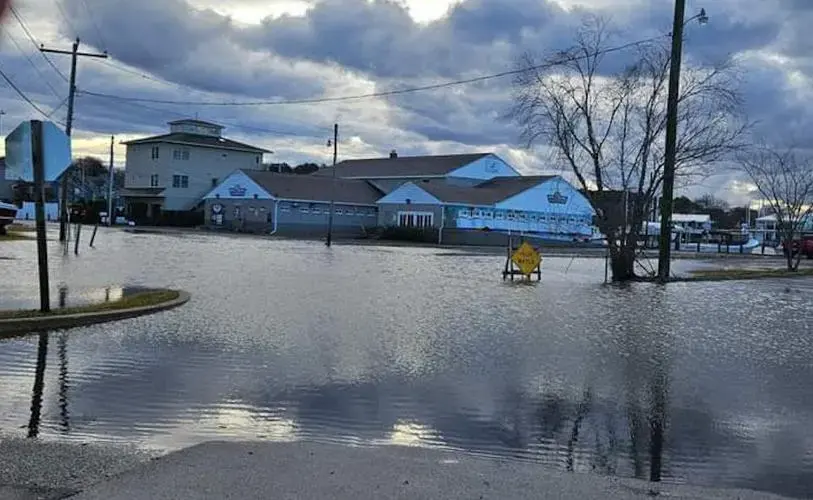
Water damage and drainage example
August 11, 2018: downtown flooding
Just under 5 inches of rain fell during this storm. Downtown street flooding disrupted businesses, with store owners scrambling to close as water affected the area.
- 01Downtown rainwater. Bloomfield Avenue provides a useful location reference when reporting storm damage. The inspection follows the actual entrance route, including doors and low openings affected by water.
- 02Water connection access. The Caldwell Water Department conducts service connection investigations. Clear access to a home's water meter helps distinguish utility connection questions from cleanup inside wet rooms.
- 03Replacement and repair planning. Most property improvements require permits, and the Construction Department provides plumbing inspections. Proposed repair work should be discussed with the department before reconstruction proceeds.
- 04Public building surroundings. Caldwell University and Lincoln Elementary School are familiar location references. An affected property's room arrangement, contents and safe entrance determine its restoration needs.
- 05Wastewater concerns. The borough owns a sewerage system in Caldwell and West Caldwell. A backup inside a building needs prompt isolation of the affected fixtures and spaces.
Questions before restoration starts
What belongs in the first damage report?
The report should explain where water appeared, whether it is still moving and which rooms are affected. Photos taken safely can add details about floor coverings, nearby cabinets and visible ceiling damage.
Does an empty floor mean cleanup is complete?
Water may remain inside padding, wall bases and subfloor layers after the exposed floor clears. Material readings and cavity checks help determine whether extraction needs to be followed by additional drying.
Can belongings stay in an affected room?
That depends on water contact, contamination and equipment access. Dry possessions can often be relocated, while soaked items need separate evaluation. Contents handling should preserve safe paths for people and equipment.
Who deals with a leaking pipe?
A plumber repairs the leaking pipe. The restoration crew removes escaped water and dries the rooms it reached. Both tasks need coordination so a continuing leak cannot soak materials while drying equipment is running.
Is a stained ceiling safe to stand beneath?
People need to stay out from under a sagging or bulging ceiling. The responding professional checks the source and wet ceiling materials before the area can be used or belongings moved safely.
How does sewage change the work?
Wastewater requires control of foot traffic and contaminated material handling. Affected porous finishes may need removal, and cleaning must precede drying. Household fans should not spread air from the affected room.
What paperwork helps explain the cleanup cost?
An itemized scope should describe affected spaces, material removal, equipment and monitoring. Photos and moisture records help connect those charges with the actual building conditions rather than a single unexplained total.
Are plumbing inspections available through the borough?
The Construction Department provides plumbing inspections. Permit questions for proposed improvements should go to that department, with the planned repair described clearly so requirements can be established for the particular project.
When can replacement finishes be installed?
The contractor confirms that the leak has stopped and checks moisture in the materials that will stay. The final notes show completed cleanup, any damp areas needing more work and the repairs ready for the next trade.
Turn the wet area into a clear scope
A careful damage description starts the assessment of removal, cleaning and drying needed for the affected property.