Commercial Water Damage in Livingston, NJ
A business water loss can cross rooms, tenant boundaries and essential access routes. The restoration contractor maps the affected materials while coordinating safe work zones, equipment placement and records for the property representative.
(888) 471-9821Describe the affected workspaces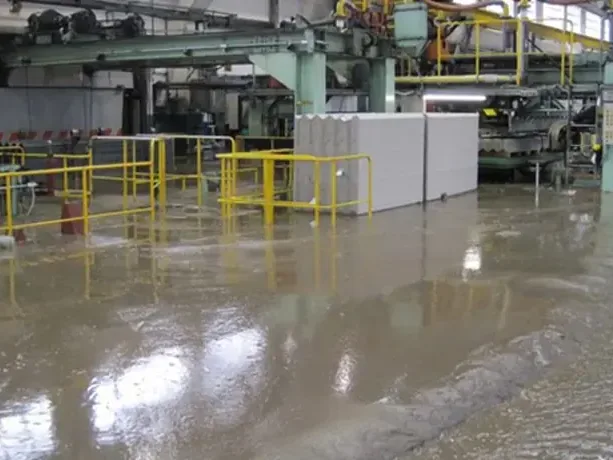
First steps for commercial water damage
- 01Name an authorized contact
Identify the person who can approve access and coordinate with occupants, tenants or building management as the assessment expands.
- 02Protect exits and work zones
Keep people away from wet electrical systems and damaged finishes while preserving safe routes outside the affected area.
- 03Identify connected spaces
List shared corridors, adjoining tenancies and rooms above or below so the moisture map does not stop at a business boundary.
- 04Separate contents decisions
Flag sensitive equipment, stock and records for the appropriate specialist rather than moving or restarting them without assessment.
How the team handles commercial water damage
Commercial mitigation balances the drying requirements with safe building use. The scope identifies affected spaces, access constraints and work dependencies instead of assuming every business can operate around the same equipment.
Survey with the property lead
The assessor documents affected rooms and access constraints, arranging inspection of connected spaces that may be controlled by another occupant.
Establish controlled work routes
The contractor places recovery equipment and material-handling paths around assessed hazards, protecting unaffected areas and essential exits.
Dry in documented zones
The drying specialist tracks materials and equipment by area, adjusting the plan as readings and approved access change during the project.
Clarify remaining responsibilities
The closeout identifies source repair, contents evaluation and reconstruction still outside the completed mitigation work, supported by photographs and moisture records.
What does commercial water damage cost in Livingston, NJ?
Commercial water mitigation can range from $2,500 to $15,000 or more. Affected floor area, operating restrictions, contamination, shared assemblies and equipment duration determine the actual scope.
The assessment separates immediate mitigation from later repairs. Review the material decisions and equipment allowance in the written scope.
(888) 471-9821Discuss the building access planLimited business-room loss
- Authorized access coordination
- Focused extraction
- Room-based drying records
Several connected workspaces
- Multiple material zones
- Protected equipment routes
- Expanded moisture monitoring
Extensive commercial spread
- Complex access dependencies
- Broader material removal
- Detailed stakeholder documentation
Scope factors: Water category, wet square footage, material class and the delay before drying change the equipment and removal required.
Use the water damage cost calculator for a planning estimate; a site assessment determines the work.
Commercial Water Damage work stages
- 01
Survey with the property lead
The assessor documents affected rooms and access constraints, arranging inspection of connected spaces that may be controlled by another occupant.
- 02
Establish controlled work routes
The contractor places recovery equipment and material-handling paths around assessed hazards, protecting unaffected areas and essential exits.
- 03
Dry in documented zones
The drying specialist tracks materials and equipment by area, adjusting the plan as readings and approved access change during the project.
- 04
Clarify remaining responsibilities
The closeout identifies source repair, contents evaluation and reconstruction still outside the completed mitigation work, supported by photographs and moisture records.
Livingston Avenue shopping extends between Route 10 and Northfield Avenue, and Livingston Town Center contains mixed-use development. Businesses near Livingston Circle, Old Road and Hillside Avenue also need clear arrangements for shared access. Those settings make communication about shared access important. They do not determine that any named tenant has suffered a loss or that a business can remain open during cleanup.
Map commercial losses along Livingston Avenue
A leak can run beneath partitions or into a shared corridor before reaching another tenant's visible floor. The assessor needs a building representative who can arrange access to connected rooms and explain restricted areas. A lease boundary does not stop moisture moving through an assembly.
The contractor records affected finishes and building systems separately from business contents. Equipment, stock and records may need specialist evaluation beyond structural mitigation. Clear responsibility prevents a drying crew from making assumptions about handling sensitive property or restarting equipment.
- Identify the authorized property contact and access permissions.
- Record affected workspaces, shared corridors and spaces above or below.
- Protect required exits and separate occupants from the work zone.
- Clarify who evaluates business equipment and contents before movement.
Drying access at Livingston Town Center
Hoses, cables and condensate routes can interfere with circulation if placement is improvised. The drying lead identifies safe routes and discusses the effect of noise, temperature and restricted access with the responsible representative. Any occupied area still needs appropriate separation from contamination and removal work.
Some losses allow work to be divided into zones; others require broader closure. The contractor should explain the basis for that decision without promising uninterrupted operations. The source, electrical conditions and material exposure take priority over a preferred business schedule.
Loss records for Northfield Avenue premises
A commercial loss may involve the owner, tenant, property manager and insurer. Room-based moisture maps, photographs and itemized work records help them understand what happened and which tasks remain. The file should distinguish source repair, structural mitigation, contents handling and reconstruction so one completion notice is not mistaken for approval of every affected system.
Do not let staff cross a wet work area to retrieve equipment or resume normal operations before hazards are assessed. Water can affect electrical systems and hidden floor layers beyond the first visible puddle. The property representative and restoration contractor should establish access restrictions, emergency routes and responsibility for sensitive contents before extraction or demolition changes the space.
A shared building needs a shared access plan. Describe the affected workspaces, authorized contact and any occupied rooms connected to the loss.
(888) 471-9821Discuss the building access planCommercial water damage in Livingston
Water damage assistance covers ZIP 07039, Northfield Center, Livingston Center and Livingston Circle. The assessment follows the wet materials in each building.
Other water problems to check
Commercial Water Damage questions
Can the business stay open during drying?
That depends on hazards, contamination and the affected layout. The contractor and property representative must assess safe separation and access rather than assume operations can continue.
Why inspect another tenant's room?
Water can travel through shared assemblies across lease boundaries. Access coordination helps establish the true wet footprint and prevents an untreated adjoining area from remaining hidden.
Does the drying crew evaluate all business equipment?
Specialist equipment and contents may need separate assessment. The scope should identify who handles those decisions and avoid treating structural drying as approval to restart equipment.
How is equipment disruption managed?
The contractor discusses routes, noise, temperature and access before placement. Adjustments must still support drying and safety, so business convenience cannot replace material requirements.
What helps several stakeholders follow the work?
Room-based maps, dated photographs, itemized scopes and repeated readings give owners, tenants and insurers a shared record of observations and completed tasks.
Does mitigation completion mean the premises are fully restored?
Not necessarily. Source repair, contents work and reconstruction may remain. The contractor should identify those limits clearly in the completion record.
Plan the dry-out around the actual premises
The commercial mitigation team documents wet assemblies and access limits so each decision-maker can understand the remaining work.