Roof Leak Water Damage in Livingston, NJ
Rain entering a roof can follow framing before it reaches a room below. The restoration team maps interior moisture while a roofing professional evaluates the entry point and prevents further weather exposure.
(888) 471-9821Trace rain into the attic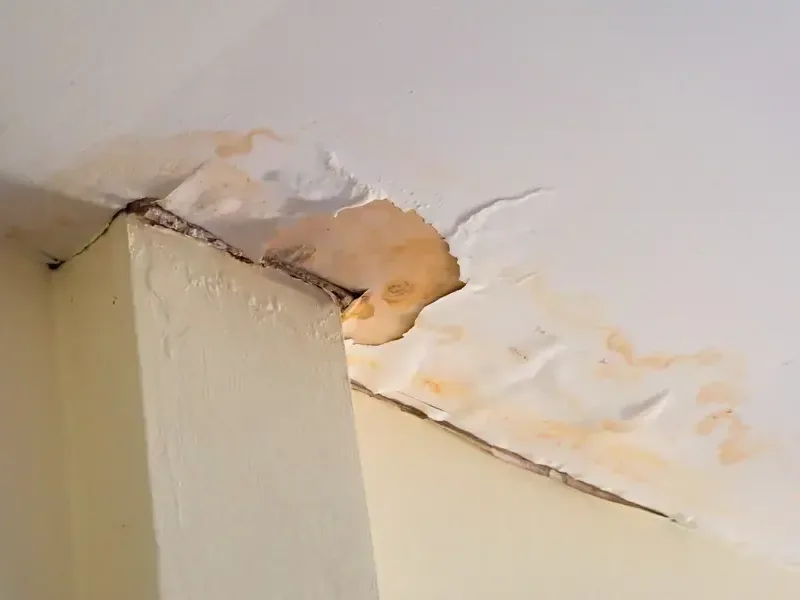
First steps for roof leak water damage
- 01Observe the weather pattern
Changes in the stain during rainfall help the roofer narrow the inspection. Moisture tracing follows the roof assembly from the visible damage toward the entry point.
- 02Keep roof access professional
Avoid wet ladders, roof surfaces and uncertain attic decking; arrange an envelope inspection with safe access equipment.
- 03Protect the room below
Keep occupants away from overhead bulges and water near lights, and move accessible dry belongings outside the affected zone.
- 04Retain repair details
Save roofing findings and temporary protection information so the interior drying team knows whether the entry path is controlled.
How the team handles roof leak water damage
Roof repair and interior drying address different parts of the loss. The contractor checks sheathing, insulation and ceilings for retained moisture after the weather-entry problem is controlled.
Locate interior moisture routes
The assessor connects attic observations with ceiling and wall readings, following framing paths rather than relying only on the visible stain.
Coordinate weather protection
The roofing professional addresses further rain entry while the mitigation team records existing wet materials and monitors any renewed release.
Expose saturated attic layers
The contractor evaluates insulation and damaged finishes, opening access where necessary so air and dehumidification can reach the wet assembly.
Compare readings after weather
The drying specialist checks marked materials over time and reviews new rainfall observations before the interior repair phase closes access.
What does roof leak water damage cost in Livingston, NJ?
Interior roof-leak mitigation often ranges from $1,000 to $5,500 or more. Attic access, wet insulation and the number of ceiling or wall assemblies affected drive the drying scope; roofing repairs are separate.
The assessment separates immediate mitigation from later repairs. Review the material decisions and equipment allowance in the written scope.
(888) 471-9821Discuss the rain-entry damageLimited interior rain entry
- Ceiling moisture survey
- Accessible attic check
- Targeted drying equipment
Attic and ceiling saturation
- Insulation decisions
- Selective access openings
- Framing moisture records
Broad concealed rain damage
- Multiple affected assemblies
- Expanded removal work
- Extended drying monitoring
Scope factors: Water category, wet square footage, material class and the delay before drying change the equipment and removal required.
Use the water damage cost calculator for a planning estimate; a site assessment determines the work.
Roof Leak Water Damage work stages
- 01
Locate interior moisture routes
The assessor connects attic observations with ceiling and wall readings, following framing paths rather than relying only on the visible stain.
- 02
Coordinate weather protection
The roofing professional addresses further rain entry while the mitigation team records existing wet materials and monitors any renewed release.
- 03
Expose saturated attic layers
The contractor evaluates insulation and damaged finishes, opening access where necessary so air and dehumidification can reach the wet assembly.
- 04
Compare readings after weather
The drying specialist checks marked materials over time and reviews new rainfall observations before the interior repair phase closes access.
After severe weather, a roof inspection traces water entry through the building exterior. At a property on East Hobart Gap Road, by East Hills Park or along Laurel Avenue, the assessment checks roof openings, interior plumbing and condensation before selecting repairs.
Rain can travel before it reaches the ceiling
A roof defect may admit water above a rafter or penetration, allowing it to move along the framing before dripping. The indoor stain therefore may not sit below the exterior opening. The assessor compares attic observations and ceiling readings while a roofing professional investigates flashing, coverings and other entry points.
A temporary weather measure can limit additional entry, but the affected structure still needs inspection. The restoration contractor records what was already wet and notes whether fresh rain continues changing the footprint. That distinction helps avoid interpreting a renewed leak as failed drying equipment.
- Note whether staining changes during rain or afterward.
- Report damp attic insulation and visible trails from safe access only.
- Keep clear of wet roof surfaces and unstable attic decking.
- Check walls beneath the roof edge as well as the central ceiling stain.
Insulation can hide wet roof framing
Insulation may hold water against wood while restricting airflow and visibility. The mitigation team assesses whether removal is necessary to expose the affected materials. Drying the room below without reaching the wet attic assembly can leave moisture concealed above the repaired ceiling.
The technician uses appropriate meters to follow the condition of accessible framing and sheathing. A temperature image can point to a suspect area, but it does not determine moisture by itself. Repeated material readings provide the evidence for adjusting the drying setup and judging progress.
Keep weatherproofing and drying scopes connected
The owner should retain the roofing findings, temporary protection notes and interior damage record together. The roofing contractor resolves the entry path; the mitigation contractor documents the wet assemblies and drying. Later finish repairs should reflect the material condition rather than simply cover the first stain that appeared.
Do not climb onto a wet roof or enter an attic with uncertain footing to locate a leak. Water near wiring and a sagging ceiling require separate safety attention. A professional should evaluate access and exterior protection. Inside, keep the space beneath unstable material clear until the contractor can inspect and control the affected assembly.
A roof patch stops new entry only when it resolves the source. The drying team still needs the attic and ceiling moisture pattern.
(888) 471-9821Discuss the rain-entry damageRoof leak water damage in Livingston
Water damage assistance covers ZIP 07039, Northfield Center, Livingston Center and Livingston Circle. The assessment follows the wet materials in each building.
Other water problems to check
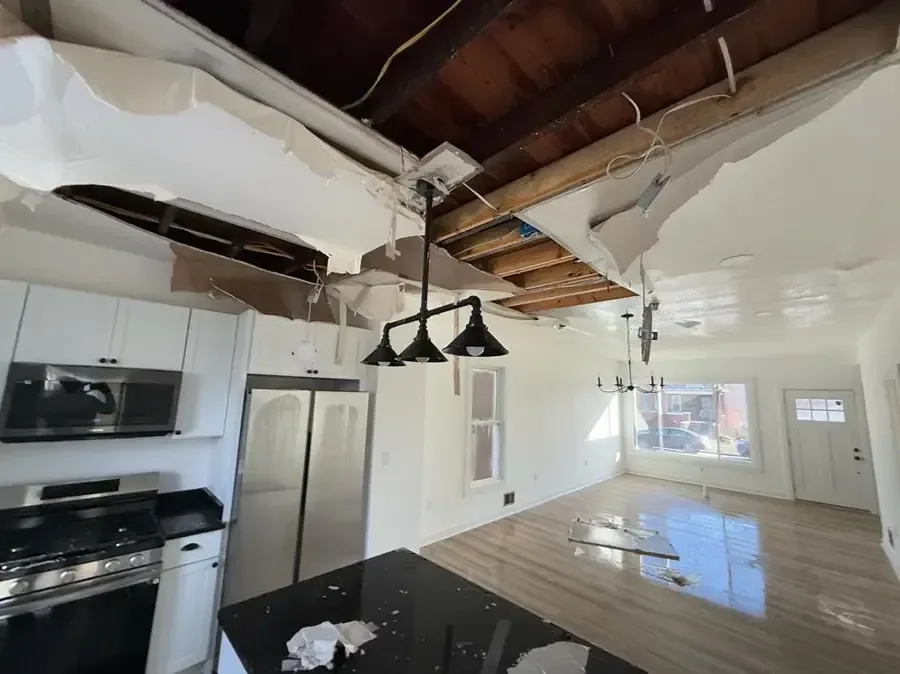
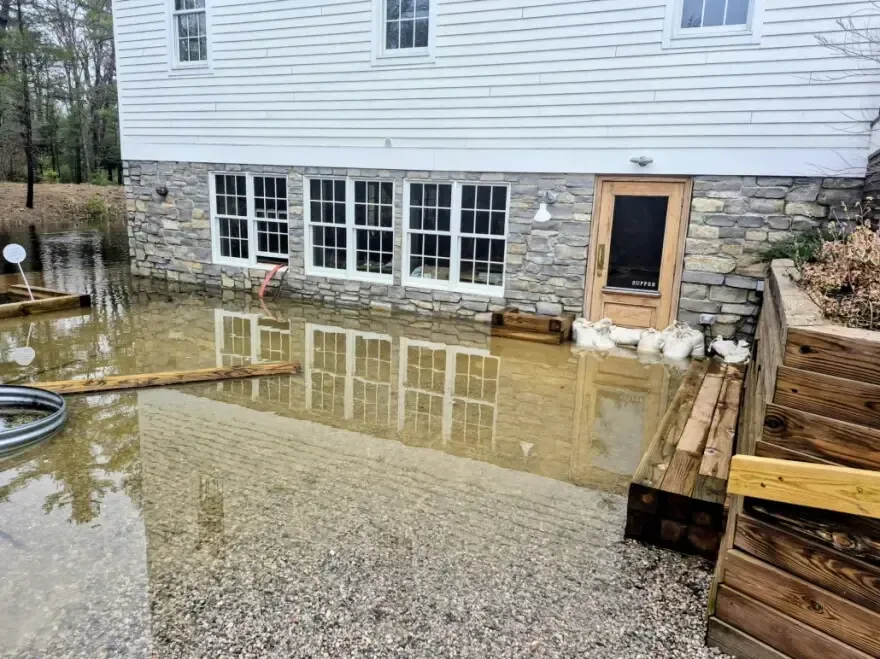
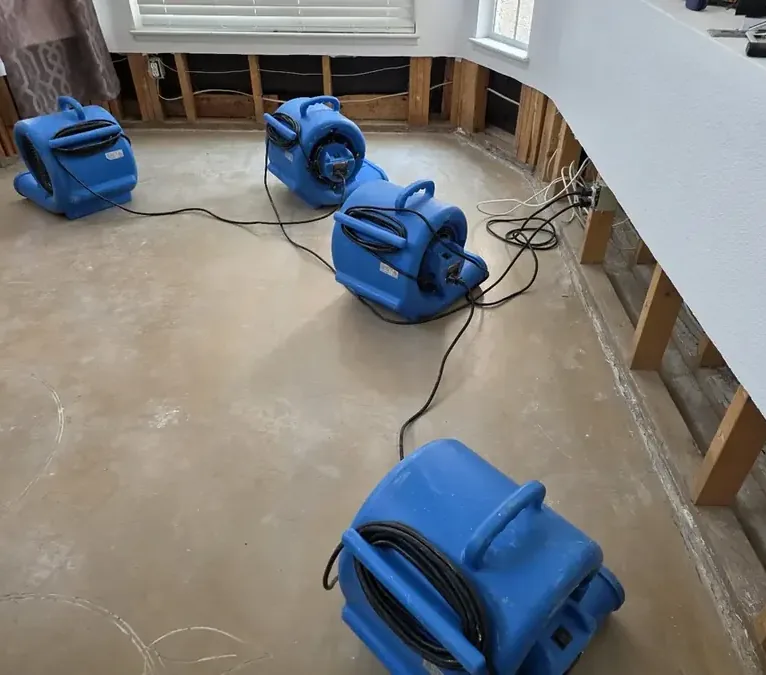
Roof Leak Water Damage questions
Is every upstairs ceiling stain a roof leak?
No. Plumbing, appliances and condensation can produce similar marks. The assessment needs evidence about the entry path before the work is assigned to roof damage.
Does a repaired roof mean the attic is dry?
No. Wet insulation and framing may remain after rain entry stops. Interior moisture checks and drying address that retained water separately.
Can thermal imaging find the exact hole?
Thermal patterns can guide investigation but do not identify moisture or locate every exterior defect. Material testing and a roofing inspection supply additional evidence.
Should wet insulation be left to air out?
The contractor considers saturation, contamination and access. Insulation that traps moisture or has lost condition may require removal rather than passive waiting.
Who coordinates the two scopes?
The property owner should keep roofing findings and mitigation records together. Each contractor should identify dependencies, access needs and work still required by the other trade.
When can the ceiling be redecorated?
Source control and acceptable material readings come first. New paint or drywall should not hide an attic assembly that remains wet or receives fresh rainwater.
Follow the rain past the visible stain
The restoration contractor measures the interior assembly while the roofing professional resolves the exterior water path.