Water Extraction in Livingston, NJ
Standing water adds damage wherever it reaches an absorbent edge. The extraction crew removes liquid from accessible rooms, then measures the materials that continue holding moisture after the floor clears.
(888) 471-9821Remove the standing water first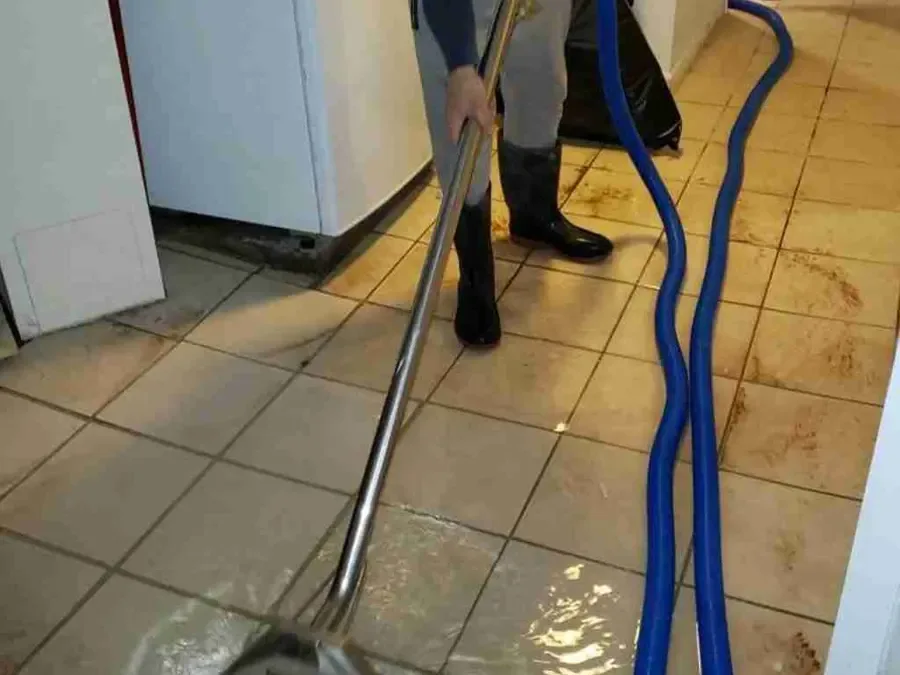
First steps for water extraction
- 01Stay on dry ground
Keep occupants outside the affected room when water reaches wiring or powered equipment; avoid testing the hazard by stepping into the puddle.
- 02Stop an accessible release
Close a known supply valve only from a safe location, and report any source that continues feeding the room.
- 03Preserve the first view
Take photographs of water depth, room boundaries and affected belongings before recovery equipment changes the scene.
- 04Identify adjoining spaces
Tell the technician about rooms, closets or lower levels connected to the wet floor, including areas that remain locked.
How the team handles water extraction
The extraction method follows the surface and depth. Pumps move bulk water, while specialized wands recover water from flooring that a pump cannot reach.
Survey the liquid
The assessor checks depth, source and access, then marks the materials that need testing beyond the visible pool of water.
Recover in controlled passes
The extraction operator matches pumps and wands to the surface, watching recovered water and checking corners where liquid continues to collect.
Dry the remaining load
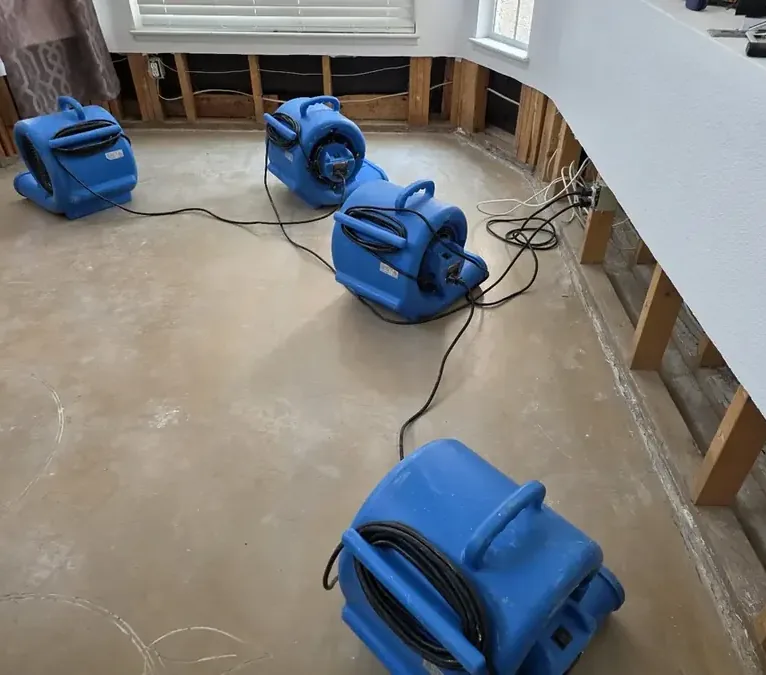
The drying specialist positions dehumidifiers and airflow for the damp assemblies, keeping contaminated material decisions ahead of aggressive air movement.
Confirm the boundary shrank
Follow-up readings compare the same points with a dry reference, allowing the team to adjust equipment where hidden moisture persists.
What does water extraction cost in Livingston, NJ?
Water extraction commonly starts around $600 to $2,500 for a contained loss, with larger or contaminated areas reaching $5,500 or more. Drying, removal and repairs can add separate scope.
The assessment separates immediate mitigation from later repairs. Review the material decisions and equipment allowance in the written scope.
(888) 471-9821Discuss the extraction footprintSmall accessible room
- Shallow surface recovery
- Accessible clean-water area
- Initial moisture survey
Several wet rooms
- Additional extraction passes
- Connected floor surfaces
- More equipment handling
Deep or complex water
- Bulk recovery and access controls
- Contamination assessment
- Expanded material documentation
Scope factors: Water category, wet square footage, material class and the delay before drying change the equipment and removal required.
Use the water damage cost calculator for a planning estimate; a site assessment determines the work.
Water Extraction work stages
- 01
Survey the liquid
The assessor checks depth, source and access, then marks the materials that need testing beyond the visible pool of water.
- 02
Recover in controlled passes
The extraction operator matches pumps and wands to the surface, watching recovered water and checking corners where liquid continues to collect.
- 03
Dry the remaining load
The drying specialist positions dehumidifiers and airflow for the damp assemblies, keeping contaminated material decisions ahead of aggressive air movement.
- 04
Confirm the boundary shrank
Follow-up readings compare the same points with a dry reference, allowing the team to adjust equipment where hidden moisture persists.
A room near Northfield Center needs the same careful source check as a property along Old Road: water depth alone does not identify contamination. The technician asks whether the release came from a supply pipe, an appliance or outside the building before selecting extraction equipment.
Standing water and hidden spread
Water can slip below a threshold, behind a baseboard or under a floating floor while the center of the room still looks manageable. The assessor checks the edge of the visible puddle and adjoining spaces. Thermal imaging can direct attention to temperature differences, but a moisture meter confirms whether the suspect material is wet.
At Livingston Town Center, an affected commercial space may share a wall or service corridor. Access to the neighboring area helps establish the full boundary instead of treating one doorway as the end of the loss. The same principle applies to rooms within a home.
- A pump removes deep accessible water but leaves moisture in porous layers.
- An extraction wand follows the surface and needs repeated passes where recovery continues.
- Wet carpet backing and pad require separate examination rather than a surface-only decision.
- Furniture legs, cabinet bases and wall edges can retain water after the open floor clears.
Why extraction comes before dehumidification
Removing liquid water directly reduces the moisture that must later evaporate. The drying technician then establishes a controlled space and sizes dehumidification to the remaining load. Running air movers over an unassessed contaminated surface can spread material into clean areas, so the category decision comes first.
A clean-looking puddle is not necessarily clean water. Outside runoff and drain backups need different handling from a fresh supply discharge. The contractor records that distinction before deciding which floor layers can remain and which need removal.
What the extraction record should show
The loss file identifies the source, affected rooms, observed conditions and the readings taken before equipment placement. Later readings use the same marked locations so an apparent improvement can be checked against a trend. A dry floor surface does not close the file while its supporting layers remain wet.
Keep people away from water touching outlets, extension cords or appliances. An electrician or utility professional must address an uncertain electrical supply. Nobody should cross a wet room to reach a breaker or pull a plug. The extraction crew needs a safe work area before pumps, recovery equipment and drying devices enter the building.
Standing water can move underneath finished surfaces. Describe the source and connected rooms so the assessment follows the complete wet boundary.
(888) 471-9821Discuss the extraction footprintWater extraction in Livingston
Water damage assistance covers ZIP 07039, Northfield Center, Livingston Center and Livingston Circle. The assessment follows the wet materials in each building.
Other water problems to check
Water Extraction questions
Does the water need to be deep for extraction?
No. A shallow release can still saturate carpet backing, pad and wall bases. The technician selects surface extraction or other recovery equipment according to the material and the water that remains.
Can a household vacuum remove it?
A household vacuum is not appropriate for standing water. Electrical hazards and contaminated water need professional assessment before recovery equipment enters the room.
Will extraction dry the whole floor?
Extraction removes liquid but cannot by itself verify that layered flooring is dry. The team checks the subfloor and adjoining assemblies, then establishes a separate drying plan.
What if the source is unknown?
The assessor investigates the release and treats uncertain contamination cautiously. Appearance or odor alone does not determine the water category or whether absorbent materials can remain.
How are occupied rooms handled?
The contractor establishes access routes, protects unaffected spaces and explains equipment placement. Occupants should not move hoses or disconnect equipment without discussing the drying plan.
What should happen after the puddle disappears?
The drying technician records residual material moisture and compares it with unaffected materials. Daily progress, rather than the absence of visible water, determines the next step.
A cleared floor still needs moisture checks
Water extraction starts the recovery. The drying team measures the remaining load before setting a completion target.