Hardwood Floor Water Damage in Chatham
A raised board edge is a sign to investigate the floor assembly before refinishing. Water can remain beneath the visible wood, and the condition of those supporting layers influences every recovery decision that follows.
(888) 471-9821Discuss the changed wood floor surface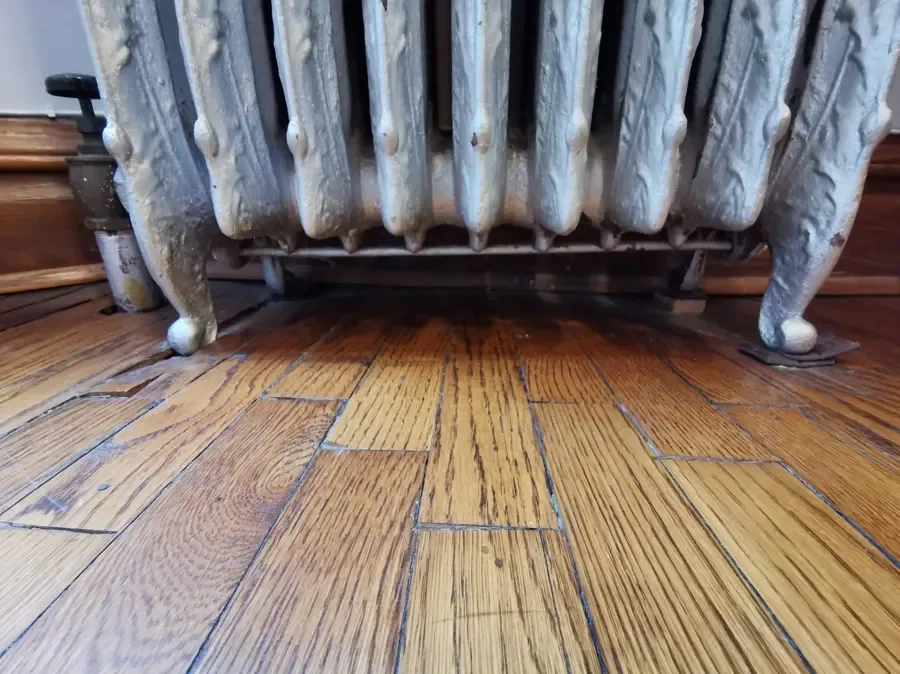
First steps for hardwood floor water damage
- 01Record the board changes
Photograph raised edges, opened seams and doorway changes before equipment or selective removal alters the floor and its visible damage.
- 02Keep coverings off damp wood
Rugs and stacked belongings can hide moisture and restrict access. Leave the affected floor visible while its extent and condition are being assessed.
- 03Explain the source and timing
Describe the release and when the floor changed, helping the inspection connect visible distortion with possible water held beneath adjoining boards or cabinets.
- 04Hold refinishing decisions until assessment
The flooring trade needs moisture information before sanding or installing a finish over the affected boards and supporting layers.
How the team handles hardwood floor water damage
Wood floor restoration examines moisture and physical damage in boards and supporting materials, helping establish whether controlled drying, selective removal or replacement is appropriate for the affected assembly.
Map the wet floor beyond distortion
Inspection compares affected boards with surrounding areas and connected thresholds, establishing a boundary that accounts for water below the visible surface.
Assess the supporting floor layers
Available access reveals the condition beneath the boards, helping determine whether a retained assembly can be dried or whether selective removal is necessary.
Apply a suitable recovery approach
Drying follows material condition and water source, distinguishing damaged layers requiring removal from boards and supporting surfaces suitable for retention.
Coordinate the flooring repair handoff
Moisture observations and physical changes inform refinishing or replacement, giving the owner a record of remaining repairs and limits on inspection access.
What does hardwood floor water damage cost in Chatham, NJ?
Hardwood water damage costs in Chatham depend on the wet footprint, board condition and moisture beneath the surface. Concealed layers and limited drying access can affect whether retention or removal is practical.
The assessment separates immediate mitigation from later repairs. Review the material decisions and equipment allowance in the written scope.
(888) 471-9821Assess the wet wood assemblyLimited clean-water footprint
- Focused board assessment
- Accessible surface recovery
- Small retained assembly
Targeted layered-floor drying
- Supporting layer checks
- Selective access decisions
- Coordinated drying equipment
Broad or damaged floor layers
- Extensive board condition assessment
- More involved material removal
- Larger moisture assessment area
Scope factors: Water category, wet square footage, material class and the delay before drying change the equipment and removal required.
Use the water damage cost calculator for a planning estimate; a site assessment determines the work.
Hardwood Floor Water Damage work stages
- 01
Map the wet floor beyond distortion
Inspection compares affected boards with surrounding areas and connected thresholds, establishing a boundary that accounts for water below the visible surface.
- 02
Assess the supporting floor layers
Available access reveals the condition beneath the boards, helping determine whether a retained assembly can be dried or whether selective removal is necessary.
- 03
Apply a suitable recovery approach
Drying follows material condition and water source, distinguishing damaged layers requiring removal from boards and supporting surfaces suitable for retention.
- 04
Coordinate the flooring repair handoff
Moisture observations and physical changes inform refinishing or replacement, giving the owner a record of remaining repairs and limits on inspection access.
As wood flooring absorbs water and changes shape, moisture measurements reveal how deeply the boards and supporting layers are affected. A Chatham floor assessment should consider the boards, their attachment and the materials underneath. Sanding belongs later, after the wet assembly has been evaluated and drying has progressed.
Inspect where the water went under the boards
A spill can follow seams and collect against an underlayment or supporting floor. Continuous boards may carry the affected area through a doorway into another room. Moisture checks should therefore include surrounding apparently sound sections, with a clear distinction between visible distortion and the actual wet footprint.
Memorial Park has a swimming pool on North Passaic Avenue. Lum Field lies off Lum Avenue. Properties around these borough landmarks can describe the room and floor arrangement when requesting service, including whether the affected wood continues beneath cabinets or across connected living spaces.
Decide how retained layers can receive drying
Access from above or below depends on the assembly. A floor covering that prevents useful drying may need selective removal, while suitable boards may be candidates for a controlled drying approach. Water source and contamination also affect retention; physical appearance is not the only consideration.
- Photograph lifting edges and changes at doorway transitions before repairs begin.
- Avoid placing rugs over damp boards while the assembly is assessed.
- Describe any known water beneath cabinets bordering the wood floor.
- Keep sanding and finish replacement separate from the initial drying decision.
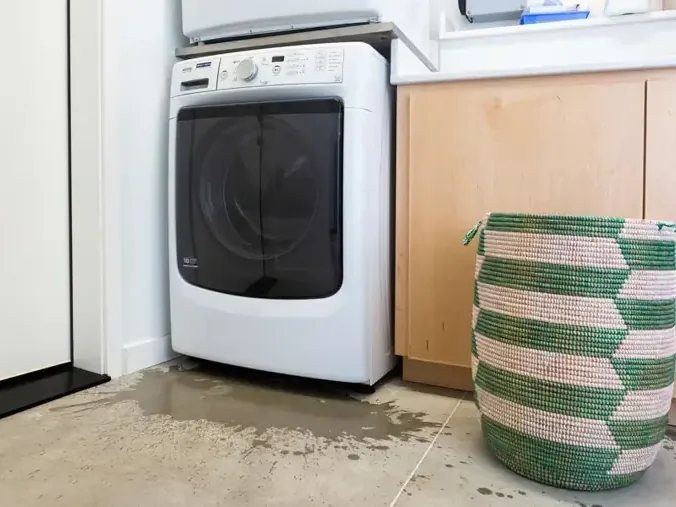
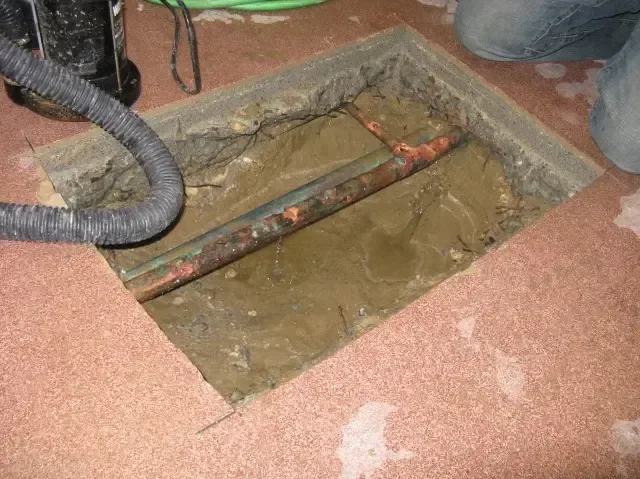
If a machine started the release, appliance leak cleanup can trace its route behind cabinetry. A suspected concealed supply release may require slab leak assessment alongside the inspection of boards and their supporting layers.
Assess shape and moisture before refinishing
Material readings and physical condition need to be considered together. Drying cannot reverse every damaged bond or distorted board. The flooring trade should receive relevant moisture information and a description of retained layers before choosing sanding, selective replacement or a broader installation plan.
An owner benefits from a written decision about what can remain and why. The record should identify inaccessible areas, removed sections and remaining repair requirements. That makes the floor's next step depend on the condition of its complete assembly instead of a promise based on the visible boards alone.
Describe the wood surface changes and where the water began. Mention adjoining rooms or fixed cabinetry where the same floor continues beyond easy inspection access.
(888) 471-9821Assess the wet wood assemblyHardwood floor water damage in Chatham
Wood floor assessments near Memorial Park, North Passaic Avenue and Lum Field examine affected boards together with the layers supporting them below.
The same service nearby: hardwood floor water damage in Livingston, Florham Park, East Hanover.
Other water problems to check
Hardwood Floor Water Damage questions
Does every raised board need replacement?
Its condition, water exposure and supporting assembly need assessment. Some flooring can remain, while damage to boards or attachment may make selective replacement more appropriate.
Should the floor be sanded while cupped?
Sanding should wait for the moisture and condition assessment. Altering a wet floor can complicate the eventual surface once the boards change during drying.
Why measure below a dry looking board?
The visible wood can improve while moisture remains in the layer underneath. A sound repair decision needs information about the supporting assembly as well.
Can drying repair a failed adhesive bond?
Moisture reduction does not necessarily restore damaged attachment. Bond condition should be considered separately when the flooring trade evaluates retention, repair or replacement.
Does a kitchen leak affect adjoining wood?
Water can pass under cabinets and across continuous floor layers. The inspection should extend into neighboring spaces where the assembly provides a path for moisture.
What informs the final refinishing decision?
Material readings, board shape, attachment and the installer's requirements all matter. The owner needs a clear record before sanding or a new finish is authorized.
Choose the next floor repair from its condition
A detailed assessment can connect board recovery, concealed moisture and drying access before decisions about sanding, replacing sections or installing a new floor finish.