Florham Park Water Damage Restoration
Water on a floor can travel beneath cabinets and into wall openings before its source becomes obvious. Florham Park property owners can arrange removal, material assessment and a measured drying plan.
(888) 471-9821Discuss the wet areasCleanup starts with safe access and source control, then follows the water through the affected building materials.
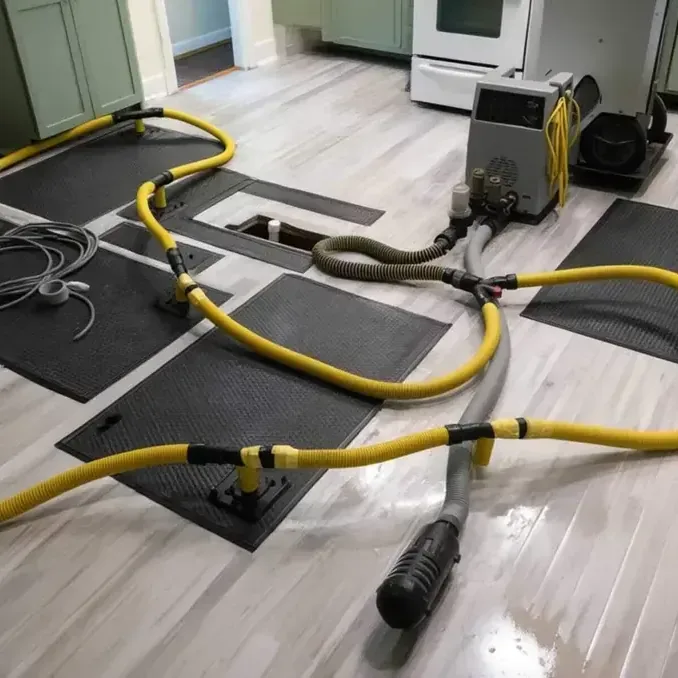
Make the affected area easier to assess
Keep wet electrical areas clear
Access should remain restricted where water reaches outlets, appliances or electrical equipment. A qualified professional can establish a safe route.
Locate an accessible shutoff
The owner can close a known supply valve from a dry, safe position. Water near electrical equipment or across the access route requires professional help first.
Record the visible damage
Photographs of rooms, contents and the apparent source help preserve the initial condition before pumping or material removal changes the scene.
Separate dry belongings
Unaffected possessions can move to a dry area when the path is safe. Wet items should remain separate from clean storage.
Describe the water's path
The first conversation should identify the source, affected level and rooms involved, including any staining visible below the original wet area.
Choose the problem affecting the property
A leaking appliance needs a different approach from outside floodwater. These services explain what gets checked, how cleanup proceeds and which conditions change the scope of work.
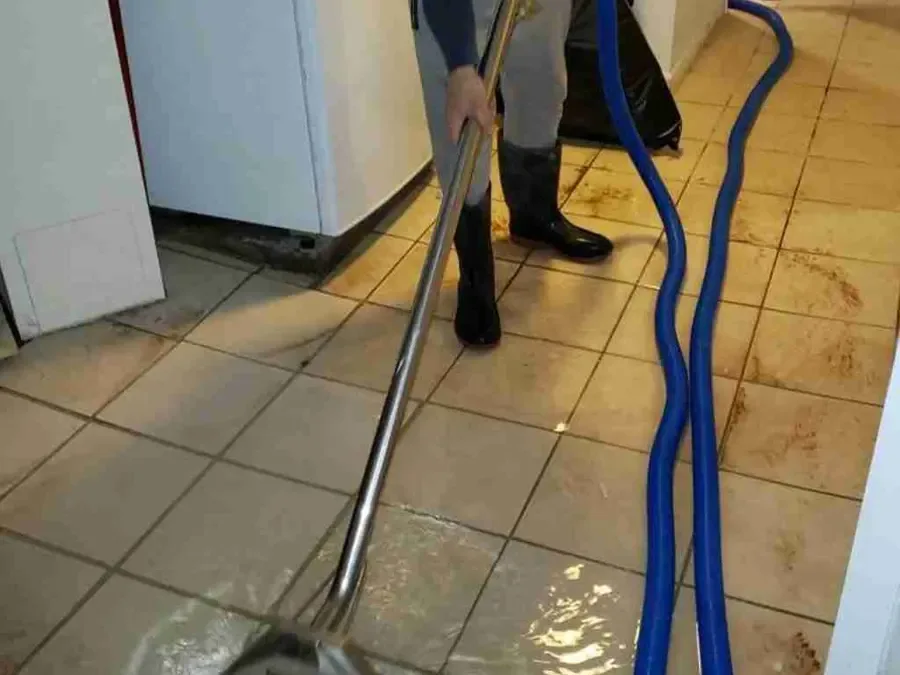 01Water ExtractionPooled water needs removal before moisture trapped along room edges and underneath finishes can be addressed.Explore this service
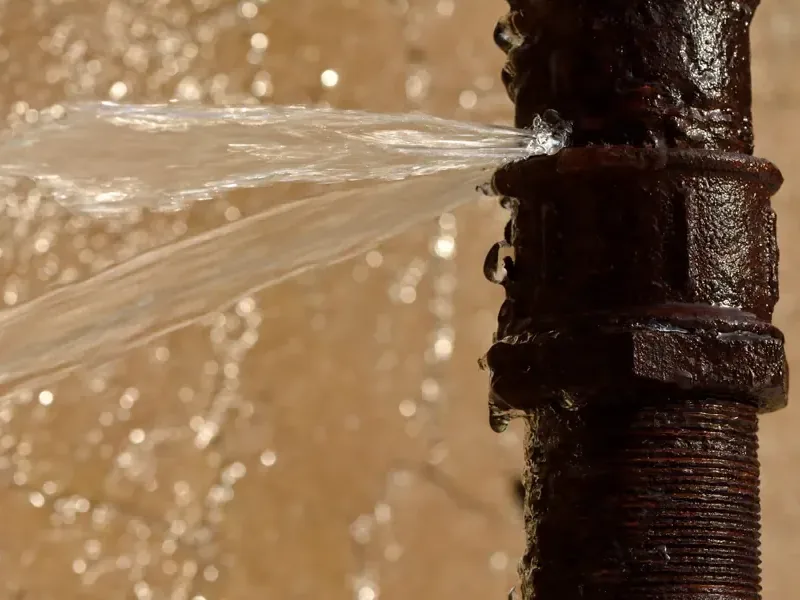 02Burst Pipe Water DamageEscaping pipe water can reach the next room, so the crew checks both sides of adjoining walls and thresholds.Explore this service
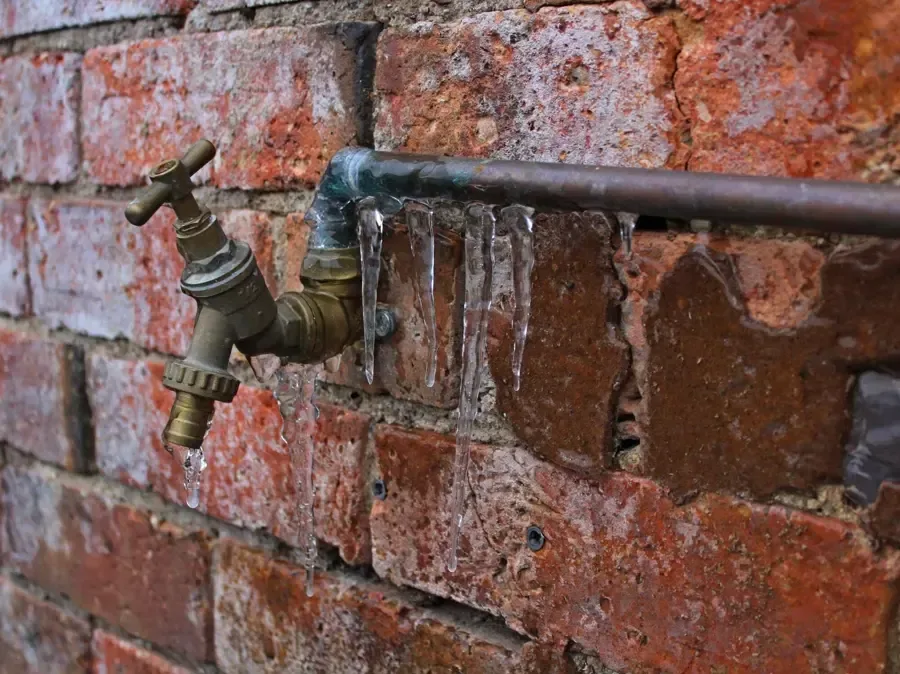 03Frozen Pipe Water DamageThawing can reveal a split pipe and wet insulation that remained hidden during the freeze.Explore this service
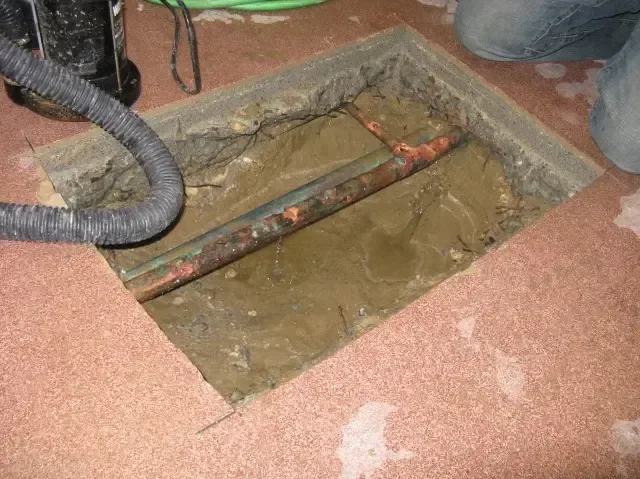 04Slab Leak Water DamageDamp flooring over concrete calls for leak location and inspection beneath the finished walking surface.Explore this service
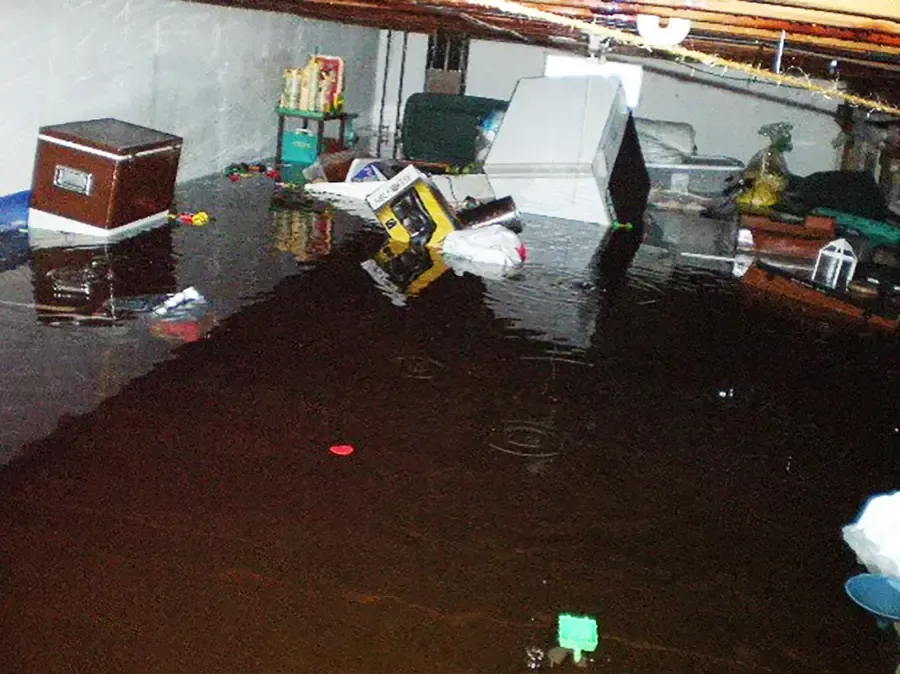 05Basement Water RemovalLower rooms require an access assessment before pumps, extraction hoses and drying equipment enter.Explore this service
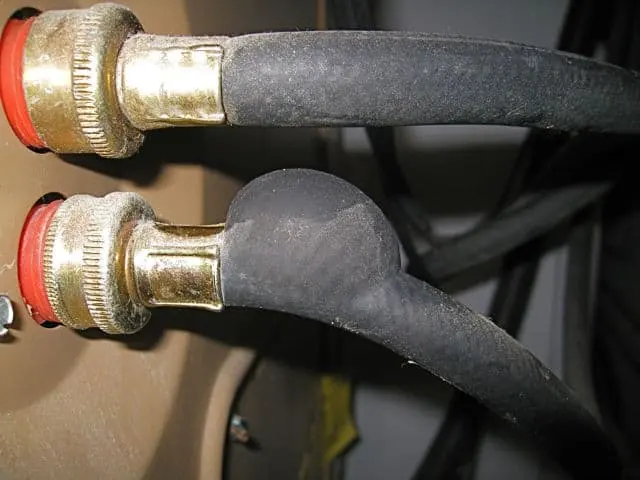
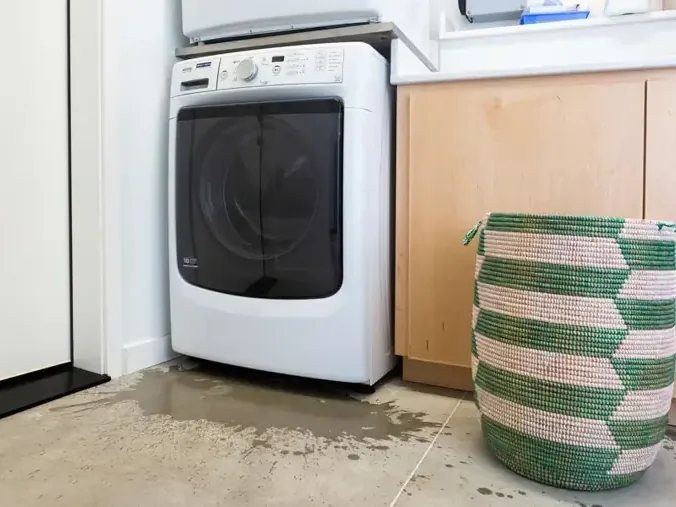 06Appliance Leak Water DamageWater behind a washer or dishwasher can reach cabinetry before the spill becomes visible.Explore this service
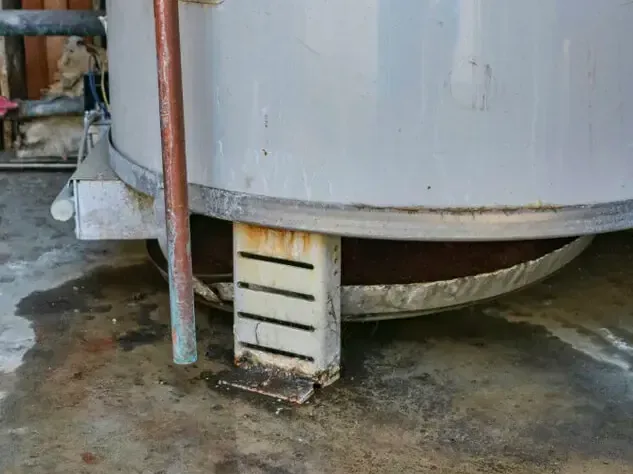 07Water Heater Leak CleanupWater around a leaking tank can soak its platform and spread beyond the utility closet.Explore this service
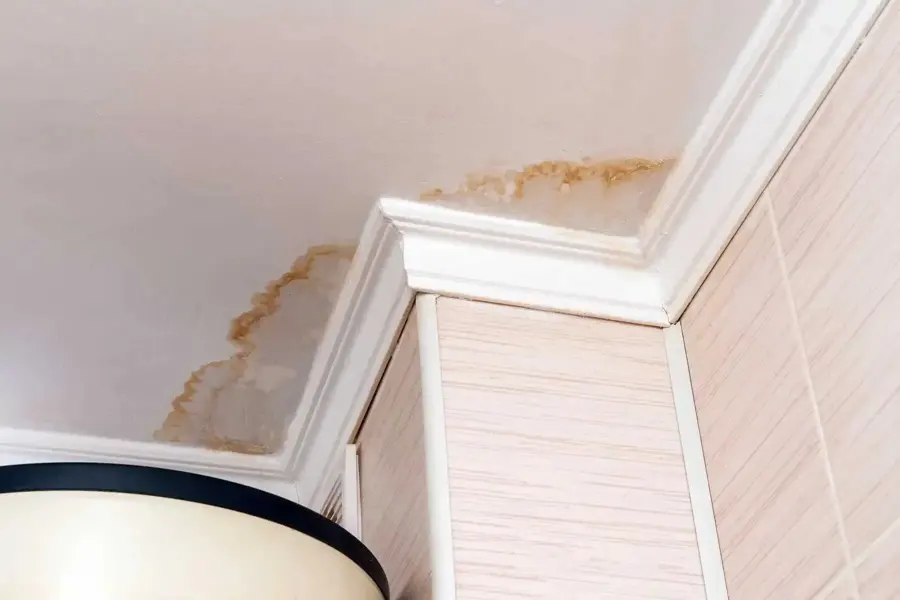
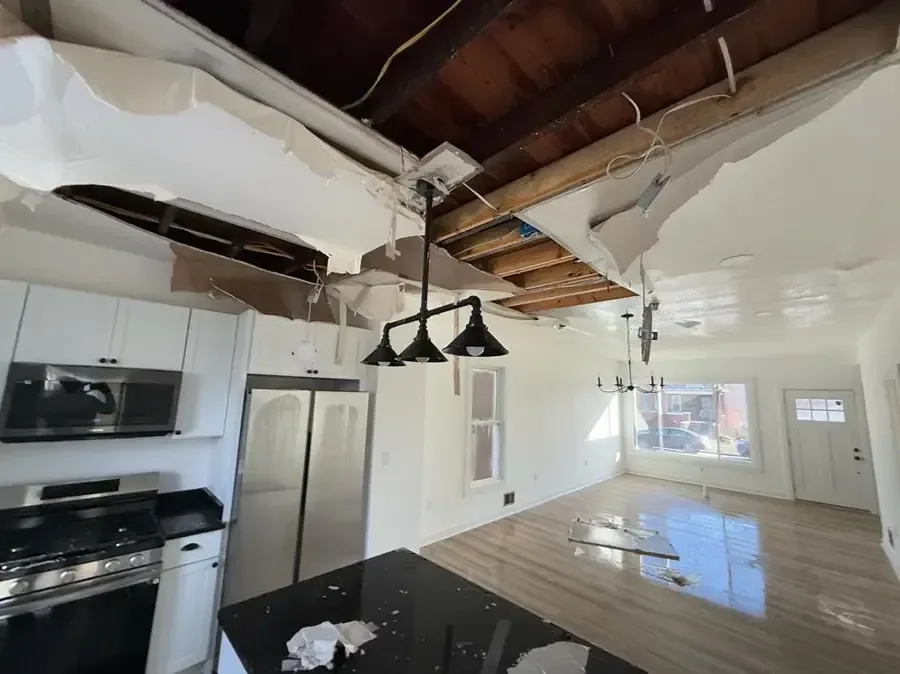 08Ceiling Leak Water DamageA stained or bulging ceiling needs an overhead source investigation before cosmetic repairs begin.Explore this service
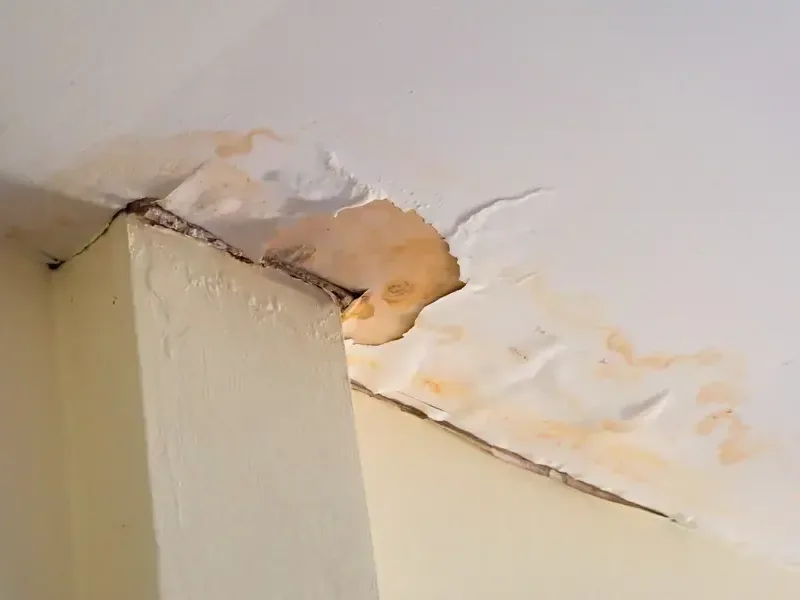 09Roof Leak Water DamageRain entering above the living space can soak insulation and follow framing into distant finishes.Explore this service
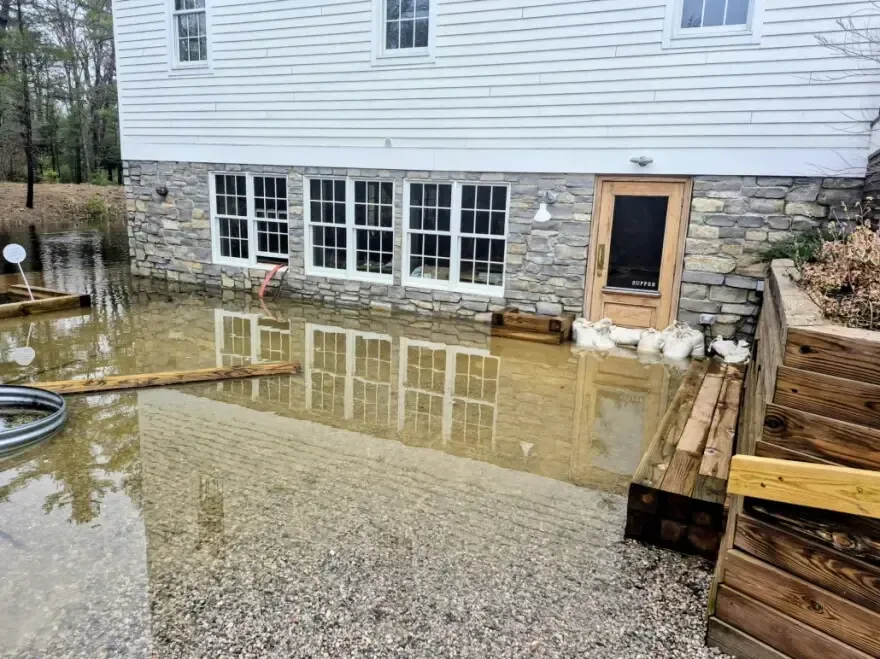 10Storm Flood CleanupOutside water leaves sediment and contamination that require more than ordinary drying of room surfaces.Explore this service
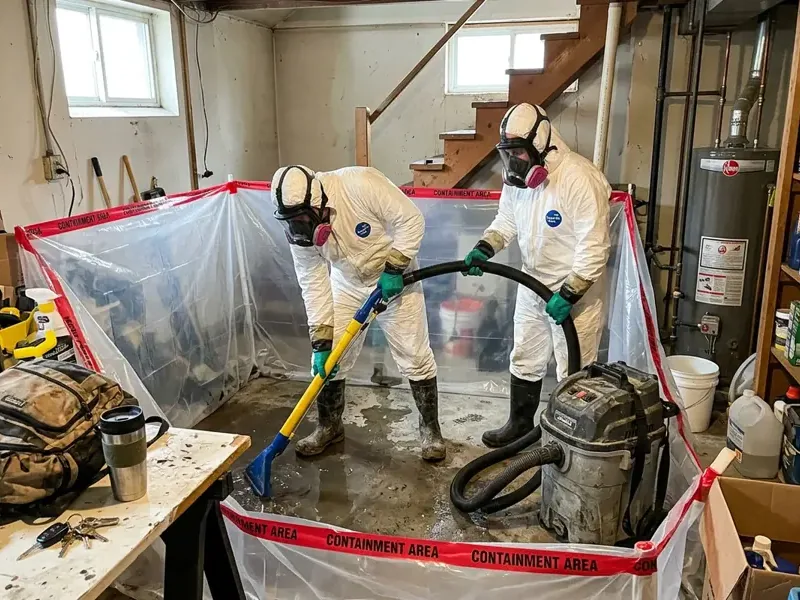 11Sewage Backup CleanupThe cleanup crew contains sewage-soaked materials while a drain professional investigates the backup.Explore this service
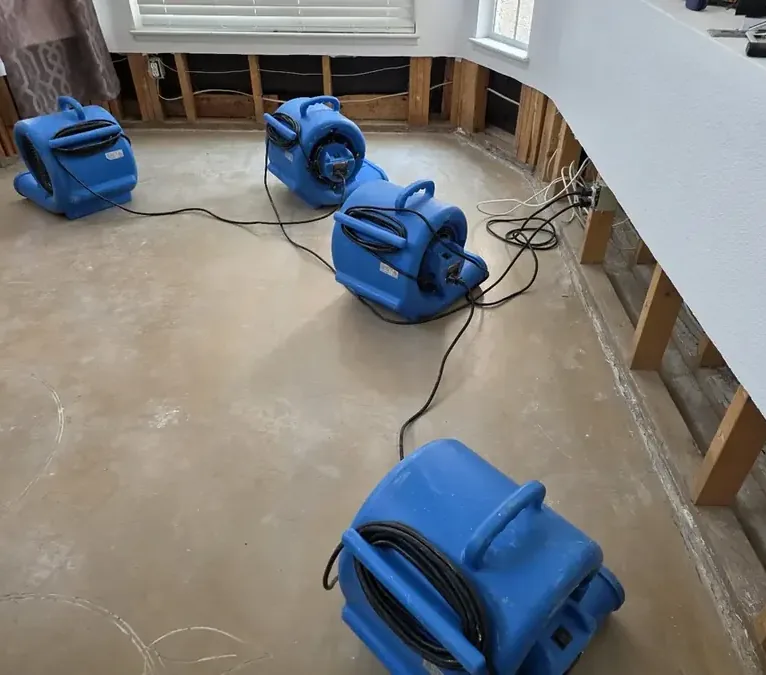 12Structural DryingRepeated meter checks show which studs, wall edges and floor layers still need drying.Explore this service
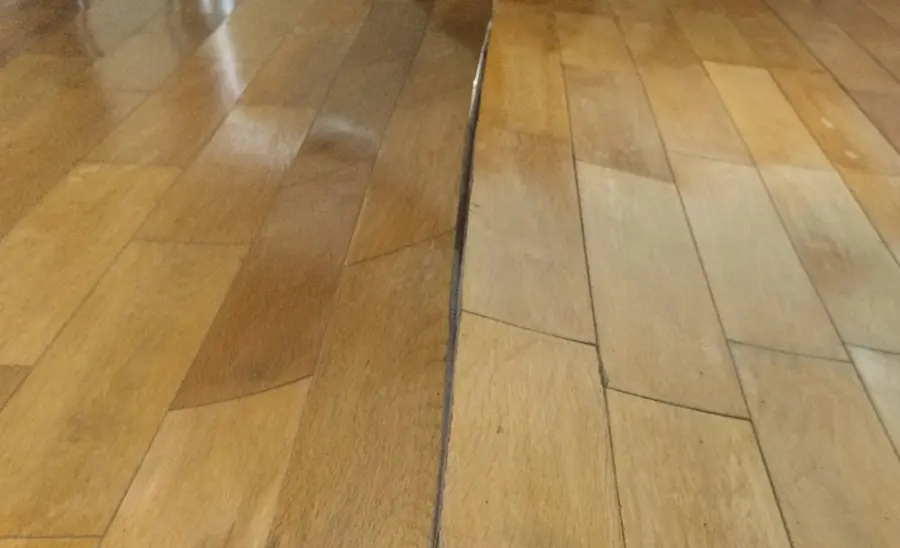
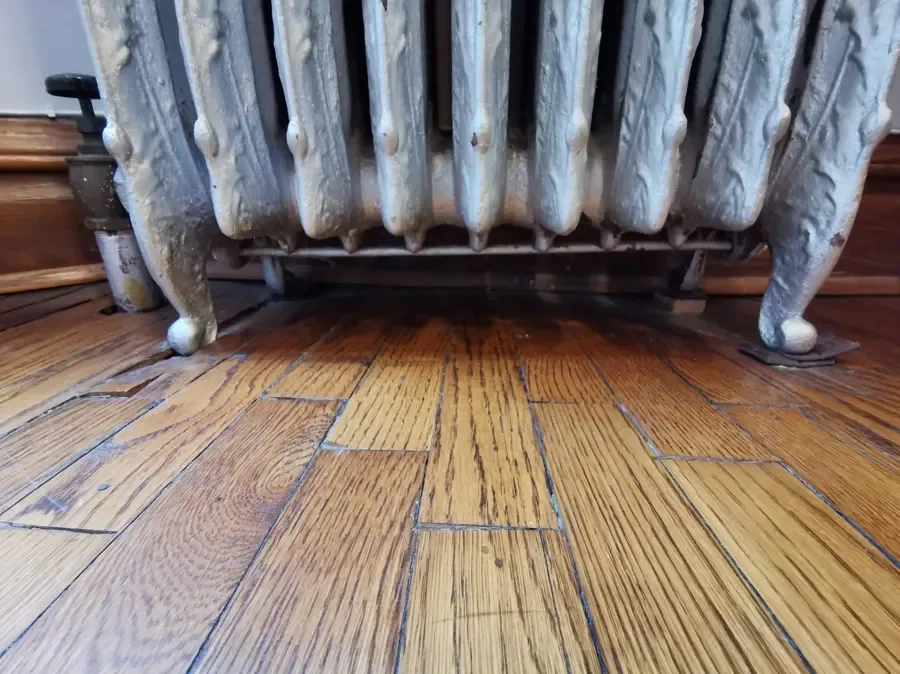 13Hardwood Floor Water DamageRaised board edges require assessment of the wood, fasteners and layers beneath the flooring.Explore this service
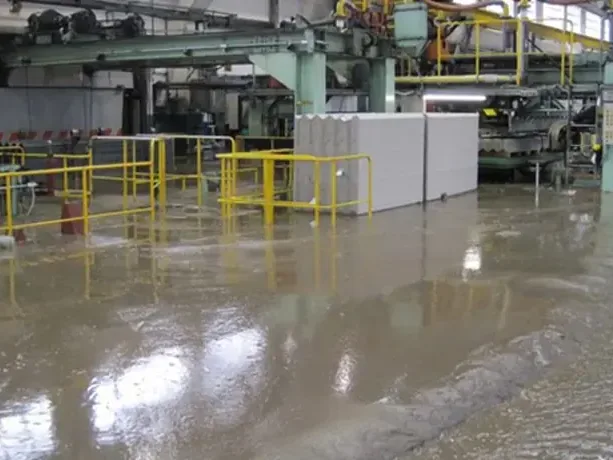 14Commercial Water DamageBusiness cleanup coordinates affected workspaces, contents and building access around a clearly defined work area.Explore this service
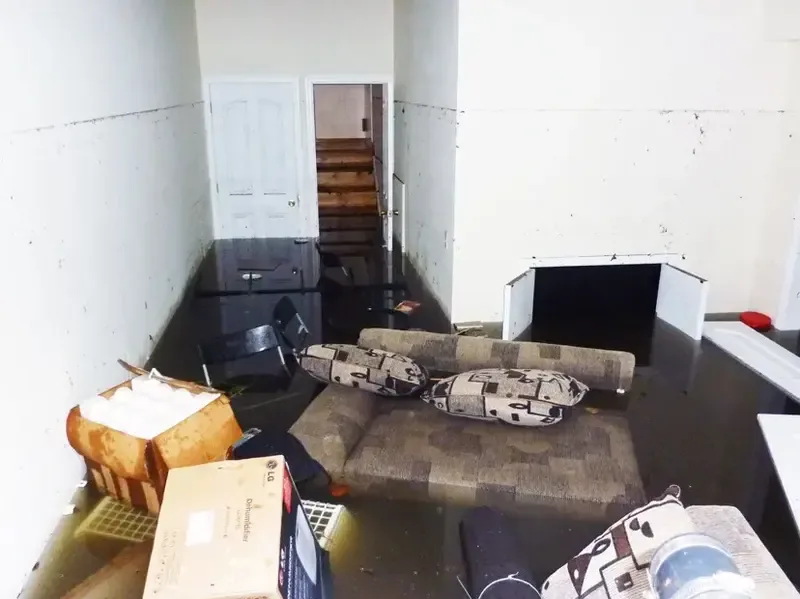 15Sump Pump Failure CleanupAn overflowing pit needs inflow control as well as removal of water already across the basement.Explore this service
Decisions follow the building's actual condition
A Columbia Ridge home and a space near Columbia Turnpike may need different equipment arrangements. The useful starting point is the affected material, the source of water and safe access.
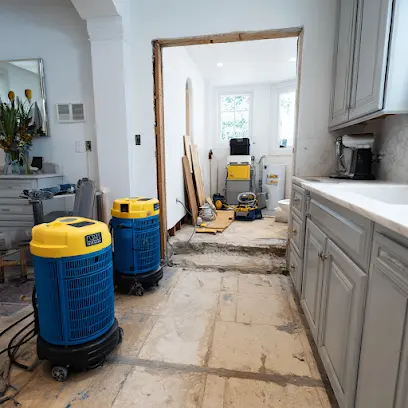
Room by room mapping
An inspection connects visible wet patches with readings at adjoining floors and wall bases, helping define work beyond the obvious puddle in the room.
Separate repair responsibilities
Plumbing or roof repair stops the source. Water removal and drying address damaged materials, with each part identified clearly in the proposed cleanup scope.
Material specific decisions
Concrete, wood and insulated cavities hold moisture differently. The drying approach should account for those differences before equipment is positioned or finishes are removed.
Useful progress records
Recorded readings give the property owner a way to follow drying progress and understand why equipment stays, changes position or leaves the affected space.
An orderly route through the water loss
The crew finds the source, extracts water and tests wet floors and walls. Readings from the same locations show how drying is progressing and which areas need more work before repairs begin.
- 01
Establish the starting condition
The assessment records affected rooms, access concerns and water contact, creating a practical starting point for removal and later comparisons of material moisture.
- 02
Remove water and debris
Extraction equipment removes accessible liquid while damaged or contaminated materials are evaluated for removal, keeping the scope tied to the condition of each area.
- 03
Control the drying environment
Air movement and dehumidification work together around the exposed wet materials. Equipment placement changes when readings show a section needs additional attention.
- 04
Check before closing cavities
The technician checks the wood, concrete and walls before equipment leaves. Final notes identify completed drying and any area the repair crew still needs to open or inspect.
Match the cleanup to what entered
Water from a supply pipe
A broken pipe starts with the plumbing source, but duration and contact with building materials still affect the cleaning and drying decisions.
Broken pipe cleanupAppliance related water
After a washer or dishwasher leak, the technician checks the appliance cycle and the water path. Flooring beneath cabinets and around the appliance recess often needs closer inspection.
Inspect appliance spreadWastewater from a drain
A drain backup needs controlled access and contaminated material handling before the remaining structure can be cleaned, evaluated and dried for repair.
Wastewater cleanup detailsWhat affects water damage costs here?
Florham Park cleanup ranges depend on water depth, contamination, access and the layers affected. A small open room differs from a loss reaching finished walls, concealed cavities and several connected spaces.
Limited accessible damage
- Small wet area
- Straightforward equipment access
- Few affected material layers
Water across several rooms
- Connected rooms need attention
- Wall and floor involvement
- Additional monitoring and material access
Broad or contaminated damage
- Extensive water affected finishes
- Controlled contaminated material removal
- More involved drying arrangements
These planning ranges describe cleanup work. The written scope should identify included tasks and distinguish source repair, contents work and rebuilding before the owner approves the work.
Preserve a useful damage record
An organized account of discovery and cleanup makes the loss easier to examine. Photographs, source repair information and drying notes can stay together with the property's other claim related documents.
When paying for cleanup directly
A written estimate should identify immediate extraction, necessary access and drying equipment. Separate optional work from the tasks needed to stabilize the affected space.
The owner can ask how changes will be recorded if hidden damage appears. Clear scope updates make later decisions easier to understand.
- Photographs before the first cleanup work
- Date and circumstances of discovery
- Affected rooms and damaged belongings
- Written source repair findings
- Cleanup scope and progress records
Wet floors, extraction and the drying work that follows
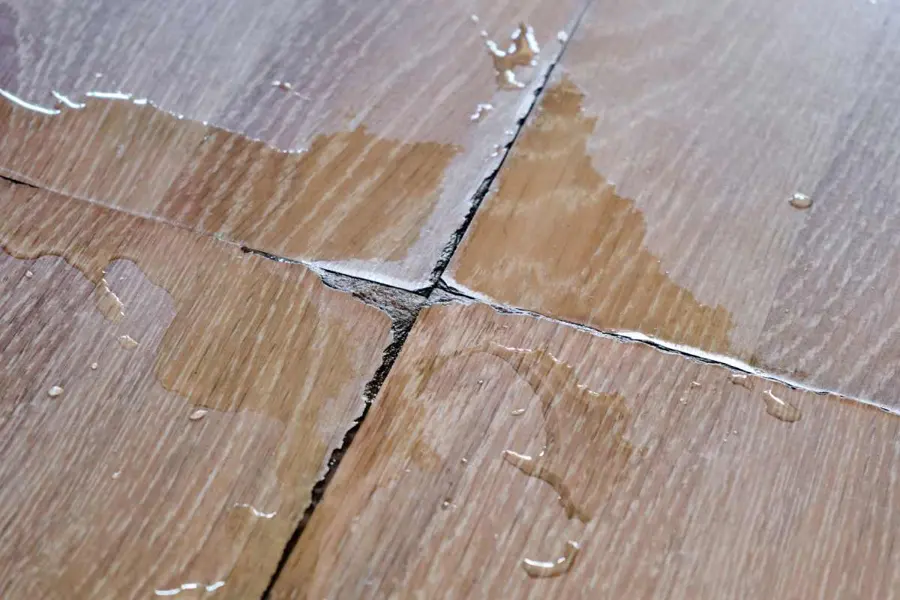
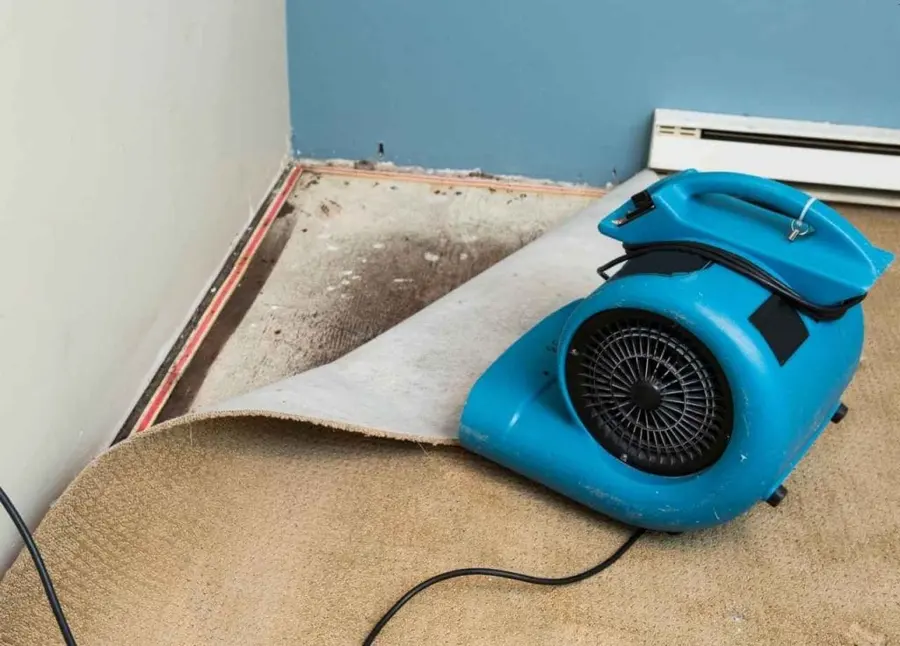
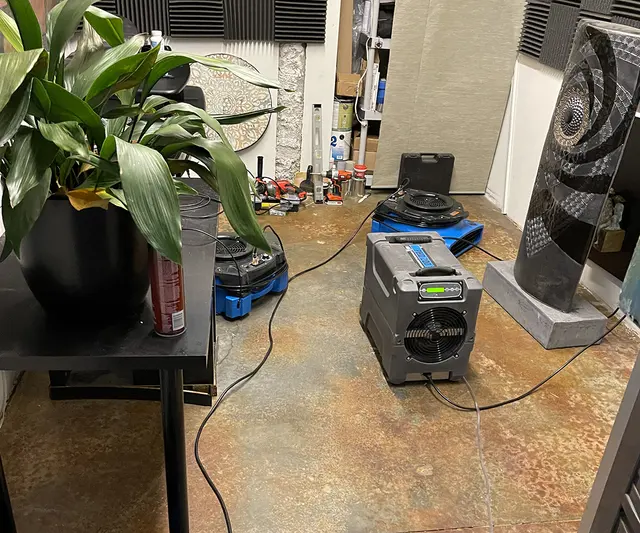
Water cleanup in Florham Park
Roads and access points
Borough ZIP
07932
Other town pages
Describe the property and access conditions
Florham Park is a borough in southeastern Morris County. Columbia Ridge is one named locality, and the Passaic River forms the eastern boundary.
An assessment request should identify the affected building, entry arrangements and wet rooms. Mention blocked access or continued water entry during the conversation.
(888) 471-9821Talk through property accessLocal context, practical property checks
Florham Park includes homes, schools and commercial spaces. The restoration crew starts with the source and a safe entrance, then follows water through the building. Wet cabinet bases, flooring and ceiling spaces each need inspection before repairs.
Water damage and drainage example
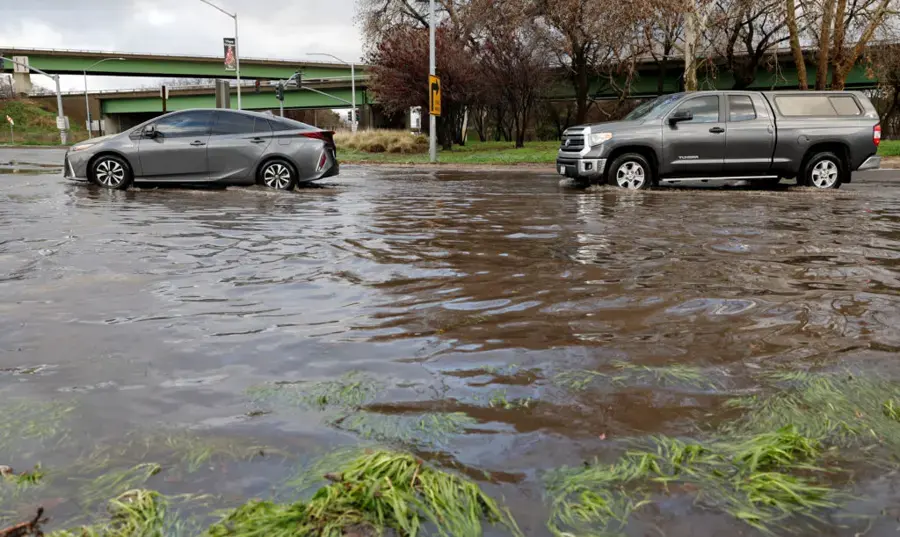
October 2022: Columbia Turnpike break
A Columbia Turnpike water main break sprayed water across four traffic lanes and closed the road in both directions between Airport Road and Cali Drive.
- 01River boundary. The Passaic River marks the eastern edge of the borough. After water enters a building, the assessment tracks its actual route and affected surfaces.
- 02Residential interiors. Columbia Ridge is a named locality within the borough. A household leak assessment should include adjoining rooms where water can travel beneath continuous flooring.
- 03Educational spaces. The Florham Campus includes adapted original buildings and newer construction. The crew checks how wet walls and floors were built so it can reach trapped moisture without opening dry areas unnecessarily.
- 04School day access. Briarwood Elementary School, Brooklake Elementary School and Ridgedale Middle School belong to the local district. Occupied buildings need clearly separated cleanup and circulation areas.
- 05Changing water paths. A stain below an upstairs bathroom may appear away from the leak. Following joists, penetrations and wet edges helps connect affected areas before repairs.
Common cleanup questions
What comes first when water reaches a room?
The first priorities are safe access and stopping an ongoing source. Extraction follows after electrical concerns and other immediate hazards have been addressed, with nearby surfaces checked for spread.
Can water move beneath an apparently dry floor?
Water can follow seams and openings into the layers below a finish. Moisture readings around the visible damage help decide whether further inspection or access is needed.
Does the Passaic River boundary determine cleanup needs?
The crew starts with the water inside the property: where it entered, what it touched and whether it left sediment. Those checks determine cleaning, removal and drying for the floors, walls and belongings affected.
Should belongings stay beside a wet wall?
Dry belongings can be relocated through a safe path to protect them during cleanup. Saturated items need separate assessment, especially where their contact could wet otherwise unaffected materials.
How can a property owner follow drying progress?
Consistent measurement locations make progress easier to compare. The drying record should explain which materials remain wet, any equipment changes and the conditions needed before that equipment is removed.
Does a repaired pipe leave more cleanup to do?
Repairing the pipe stops the source but leaves released water in surrounding materials. Floors, wall cavities and rooms below the leak may still need extraction, cleaning and controlled drying.
What should an owner record before cleanup begins?
Photographs of the affected rooms and contents preserve the starting condition. Notes about discovery, ongoing leakage and completed source repairs help connect the visible damage with the work performed.
Can every wet finish remain in the building?
The technician checks whether a finish is sound and can be cleaned and dried. Broken drywall, contaminated porous materials and layers blocking access to trapped water may need removal before drying can continue.
Where are the individual town service details?
The Florham Park service hub links to each cleanup category. For moisture remaining after removal, the structural drying page explains the next stage of material assessment.
Move from wet rooms to a clear plan
An assessment connects the visible damage, source repair and drying needs into a practical scope for the affected property.