Frozen Pipe Water Damage in Livingston, NJ
A frozen section may hide a split until water starts flowing again. The response team checks for an active release, then examines the cavity and connected rooms for moisture left by the thaw.
(888) 471-9821Check the thaw-related leak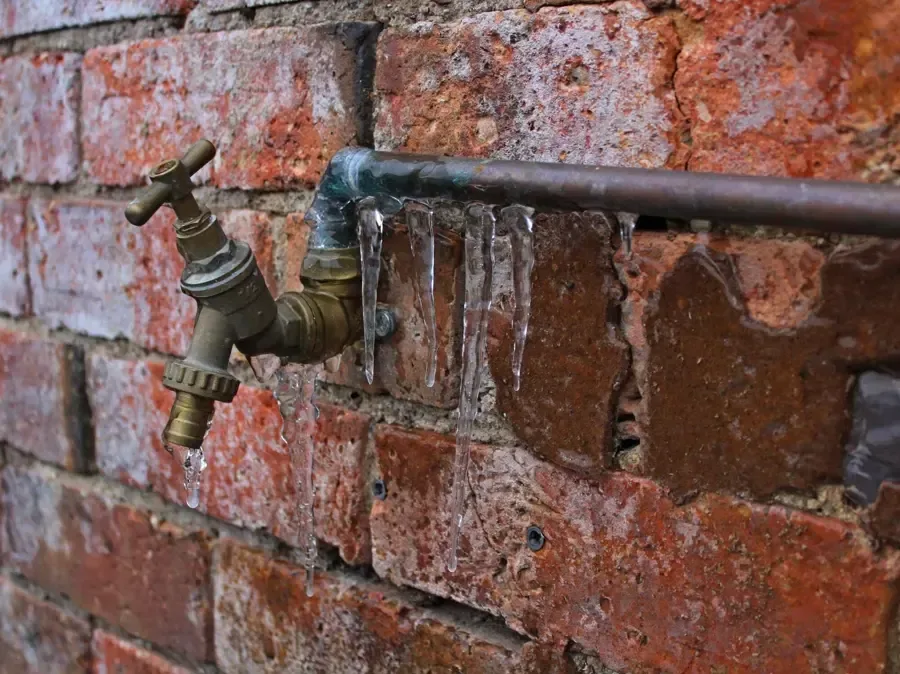
First steps for frozen pipe water damage
- 01Watch for a new release
If water returns after a freeze, check safely for fresh dripping or running-water sounds without entering a wet electrical area.
- 02Avoid direct flame
Leave risky thawing methods to a qualified plumbing assessment; an open flame can damage the pipe and surrounding building.
- 03Limit safe supply flow
A known accessible valve can reduce a leak, but do not force frozen fittings or operate controls from standing water.
- 04Record the sequence
Write down when flow stopped, when thawing began and which rooms became wet to support the source assessment.
How the team handles frozen pipe water damage
The cleanup plan distinguishes a blocked pipe from a leaking one. A qualified plumbing professional handles the frozen supply while the mitigation team assesses wet materials.
Confirm water actually escaped
The assessor separates a frozen blockage from a split supply and tests cavities around the suspected thaw point for resulting moisture.
Remove the liquid burden
The extraction technician recovers accessible water while the source repair prevents renewed discharge into walls, floors or insulation.
Balance the drying conditions
The drying team considers cold surfaces and restricted access, adjusting temperature and dehumidification as measured material moisture begins to fall.
Review concealed materials
Final readings cover framing and adjoining spaces, with pipe-repair notes retained so the drying record explains the complete release.
What does frozen pipe water damage cost in Livingston, NJ?
Frozen-pipe water damage cleanup often ranges from $1,000 to $7,000 or more. Concealed leakage, cold assemblies and damage across several rooms can add equipment time and access work.
The assessment separates immediate mitigation from later repairs. Review the material decisions and equipment allowance in the written scope.
(888) 471-9821Explain the thaw and leakageSmall thaw leak
- Limited wet surfaces
- Source coordination
- Initial recovery and readings
Wet insulated cavity
- Access to trapped moisture
- Insulation assessment
- Temperature-aware drying
Broad concealed release
- Multiple connected spaces
- Selective material removal
- Extended moisture verification
Scope factors: Water category, wet square footage, material class and the delay before drying change the equipment and removal required.
Use the water damage cost calculator for a planning estimate; a site assessment determines the work.
Frozen Pipe Water Damage work stages
- 01
Confirm water actually escaped
The assessor separates a frozen blockage from a split supply and tests cavities around the suspected thaw point for resulting moisture.
- 02
Remove the liquid burden
The extraction technician recovers accessible water while the source repair prevents renewed discharge into walls, floors or insulation.
- 03
Balance the drying conditions
The drying team considers cold surfaces and restricted access, adjusting temperature and dehumidification as measured material moisture begins to fall.
- 04
Review concealed materials
Final readings cover framing and adjoining spaces, with pipe-repair notes retained so the drying record explains the complete release.
Winter preparation matters at an individual building, especially where a pipe passes through an exposed space. A home near Prospect Park, a property off Laurel Avenue and premises along Eisenhower Parkway may have very different pipe routes. An inspection follows the pipe route, checks insulation gaps and identifies sections exposed to cold air.
A quiet pipe can leak when flow returns
An ice blockage may temporarily hold back water at a split. Once the obstruction melts, the supply can release into an enclosed cavity. A homeowner who sees flow return should still watch for new sounds, stains or meter movement and arrange inspection if a leak is suspected.
The assessor asks which fixture stopped working, where the pipe travels and whether an isolation valve was closed. Those details help separate freeze-related damage from a coincidental appliance or roof leak. A cold-weather date alone does not identify the cause.
- Check exposed sections and adjoining wall cavities after a suspected freeze.
- Record the time when flow stopped and when water was first noticed indoors.
- Look for wet insulation that can conceal the extent of a release.
- Preserve plumbing repair findings for the same file as drying measurements.
Drying a cold or enclosed assembly
Cold materials can release moisture slowly. The drying specialist considers temperature, humidity and access as a complete system rather than aiming a heater at the stain. Controlled dehumidification and appropriate airflow need to reach the wet surfaces without creating an electrical or overheating hazard.
Insulation that blocks inspection may require removal where it is saturated or damaged. The contractor documents the condition and checks the framing behind it. Once the pipe repair is complete, a dry exterior finish should not hide moisture in the cavity.
Separate prevention from recovery
A plumbing professional can review insulation, air leakage and the route of an exposed supply after repair. Those improvements address recurrence; they do not replace extraction and drying from the current leak. The owner should keep both scopes clear so a preventative change does not obscure the work required by existing water damage.
Never use an open flame to thaw a pipe, and do not place a portable electrical heater in standing water. A frozen pipe inside a concealed wall needs professional evaluation before heat or cutting. Keep occupants away from wet outlets and ceiling damage. Restored fixture flow is a reason to check for leakage, not proof that the pipe survived.
Flow returning after a freeze can reveal a hidden split. Report the thaw sequence and the first wet area so the assessment starts with the source.
(888) 471-9821Explain the thaw and leakageFrozen pipe water damage in Livingston
Water damage assistance covers ZIP 07039, Northfield Center, Livingston Center and Livingston Circle. The assessment follows the wet materials in each building.
Other water problems to check
Frozen Pipe Water Damage questions
Does every frozen pipe burst?
No. Loss of flow does not determine a rupture. A plumber evaluates the pipe, and the mitigation assessor checks for actual escaped water and wet materials.
Why did leakage begin after the weather warmed?
An ice blockage can temporarily restrict water at a split. Thawing restores flow and may reveal damage that was not visible while the pipe remained frozen.
Can heating the room finish the drying?
Warm air alone does not verify that insulation or framing is dry. The drying technician controls humidity and compares material readings over time.
Should wet insulation stay in the wall?
Condition and access determine that decision. Saturated insulation may obstruct drying or conceal damage, so the contractor documents whether removal is necessary.
Does the township location establish pipe material?
No. Actual pipe material, repair history and exposure require inspection. A road name or nearby park does not identify the plumbing inside a house.
What reduces another freeze-related loss?
After recovery, a plumbing professional can assess exposed routes, insulation and air leakage. Preventative repairs are separate from drying the materials already affected.
Check what happened when the pipe thawed
The mitigation team follows escaped water into enclosed materials while the plumbing professional resolves the damaged supply.