Water Damage Restoration Livingston, NJ
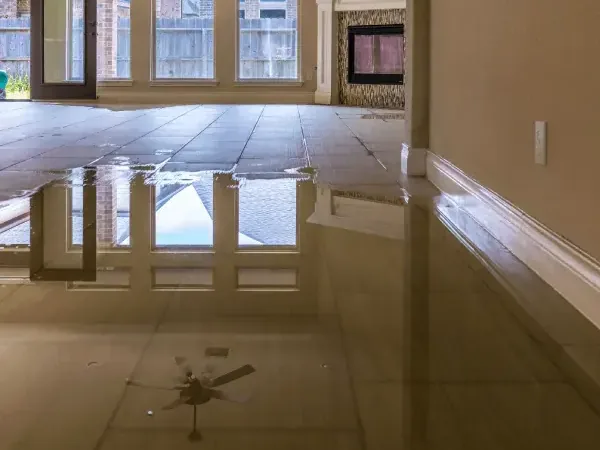
Water on a floor rarely stays at the surface. Livingston restoration professionals provide 24/7 extraction, check the adjoining materials and plan structural drying around the source, spread and contamination.
(888) 471-9821Start with the wet roomsA stopped leak still leaves wet flooring, wall cavities and contents that need a separate drying assessment.
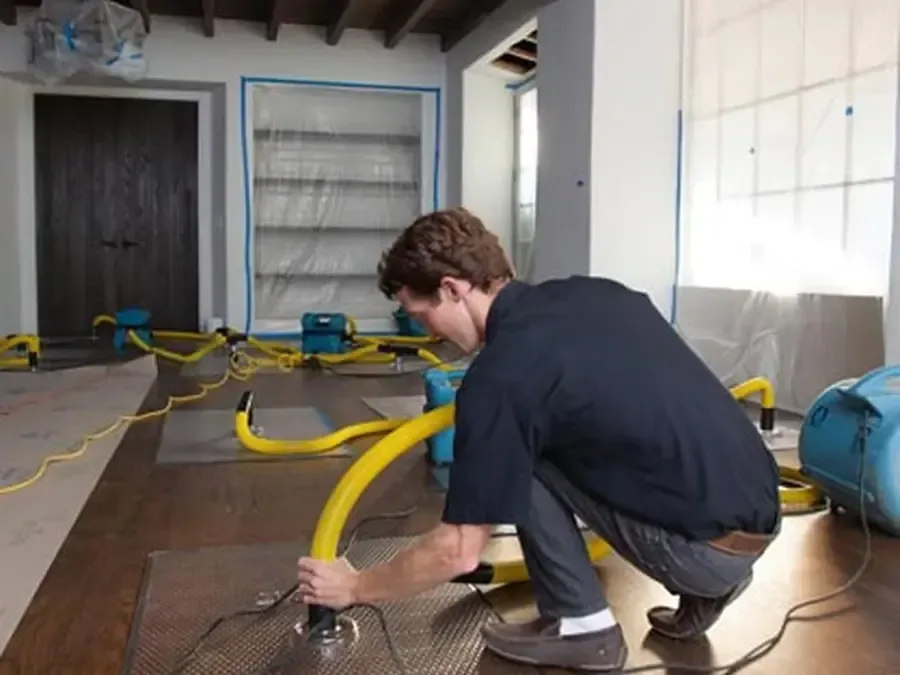
What to do while the water is still moving
Separate people from hazards
Keep occupants away from wet electrical equipment, bulging ceilings and wastewater. A dry doorway is safer than an uncertain wet room.
Isolate a safe supply valve
If a clean-water leak has an accessible shutoff outside the affected area, close it without crossing standing water.
Record the visible spread
Photograph the source, water marks and affected belongings from a safe position before cleanup changes the scene.
Protect dry belongings
Move accessible dry items away from the wet boundary. Avoid carrying contaminated rugs or boxes through unaffected rooms.
Describe the loss
Explain which rooms are affected, whether water is still entering and whether the source is a pipe, appliance, drain or storm.
Water Damage Restoration Services in Livingston, NJ
The crew starts by finding the source and checking where the water traveled. These services cover leaks, flooding and sewage, with removal, cleaning and drying chosen for the rooms and materials affected.
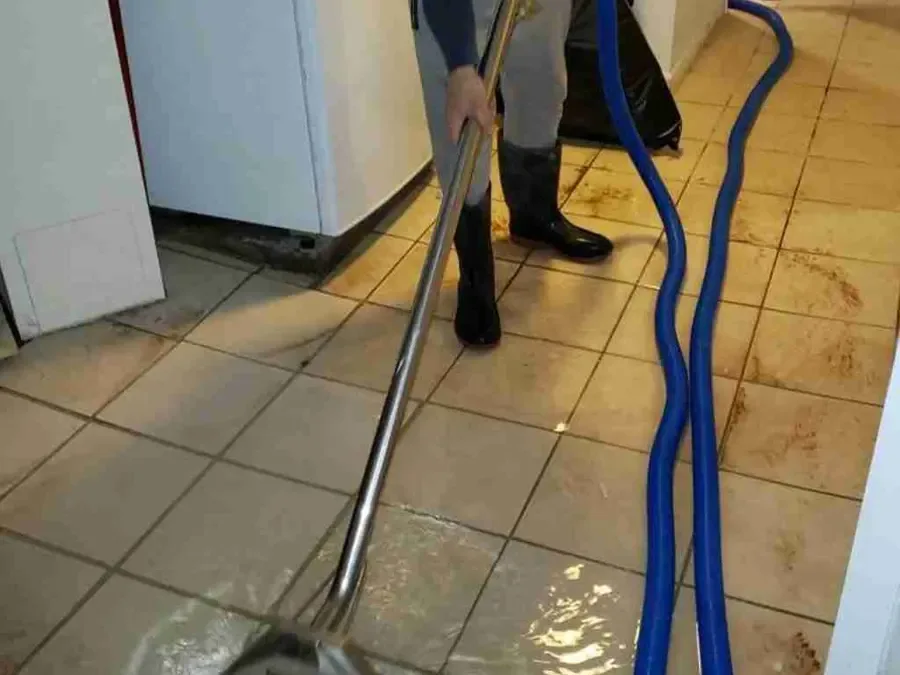 01Water ExtractionStanding water needs removal before it soaks farther into flooring and the lower edges of walls.Explore this service
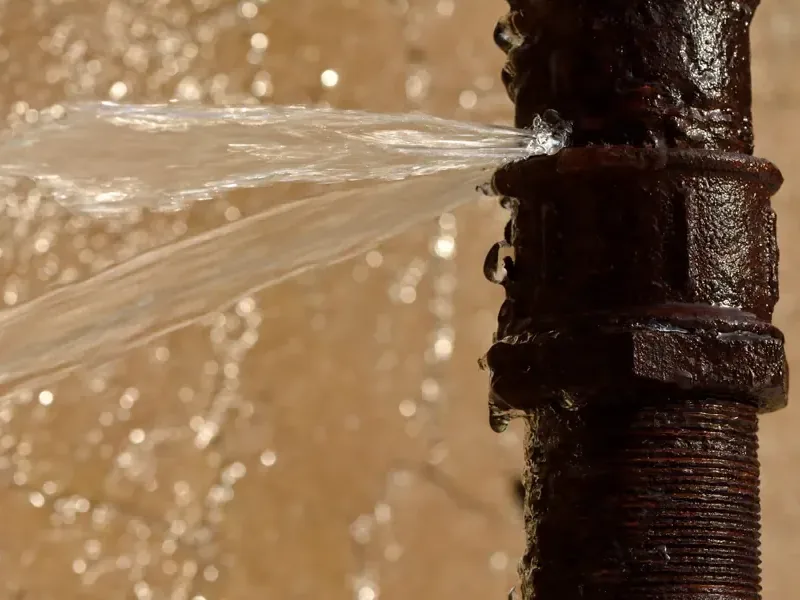 02Burst Pipe Water DamageA pressurized rupture can wet several rooms before the supply valve closes; the moisture map follows that spread.Explore this service
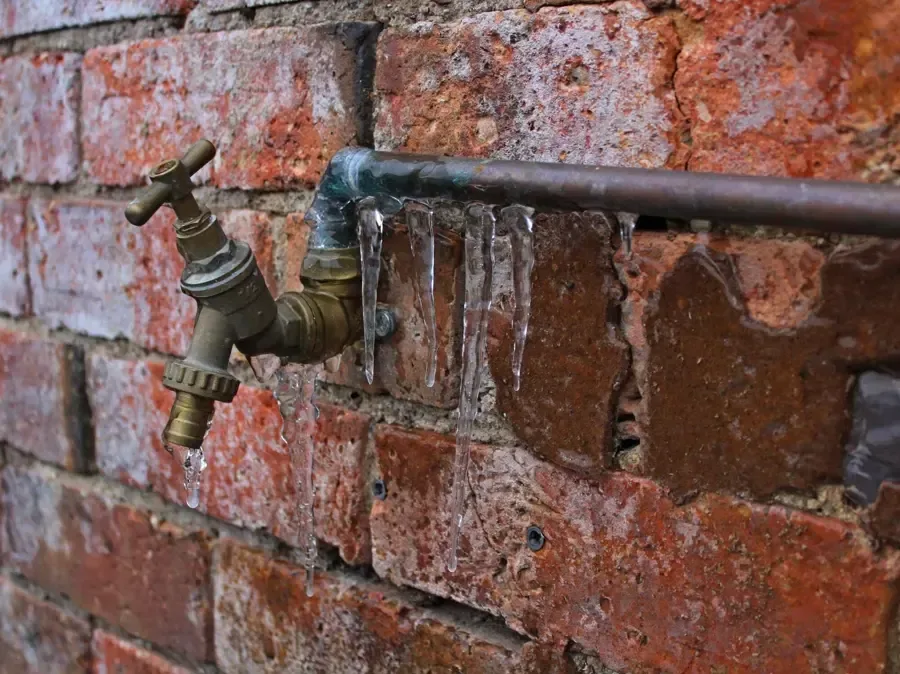 03Frozen Pipe Water DamageThawing can reveal a split pipe in an exposed cavity, requiring source repair and concealed-material checks.Explore this service
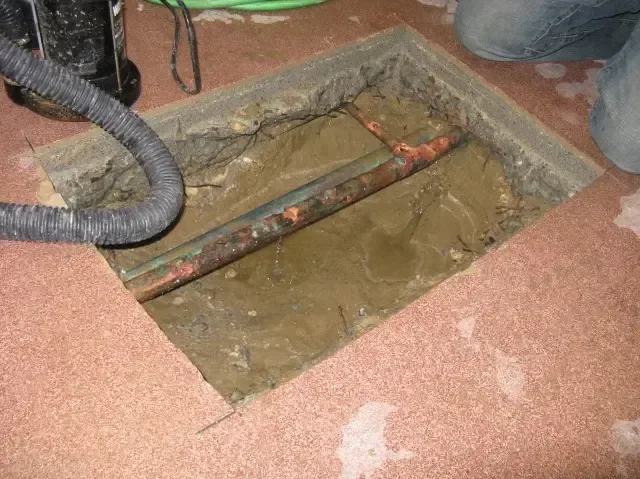 04Slab Leak Water DamageMoisture beneath floor coverings needs a source investigation before a concrete slab can dry effectively.Explore this service
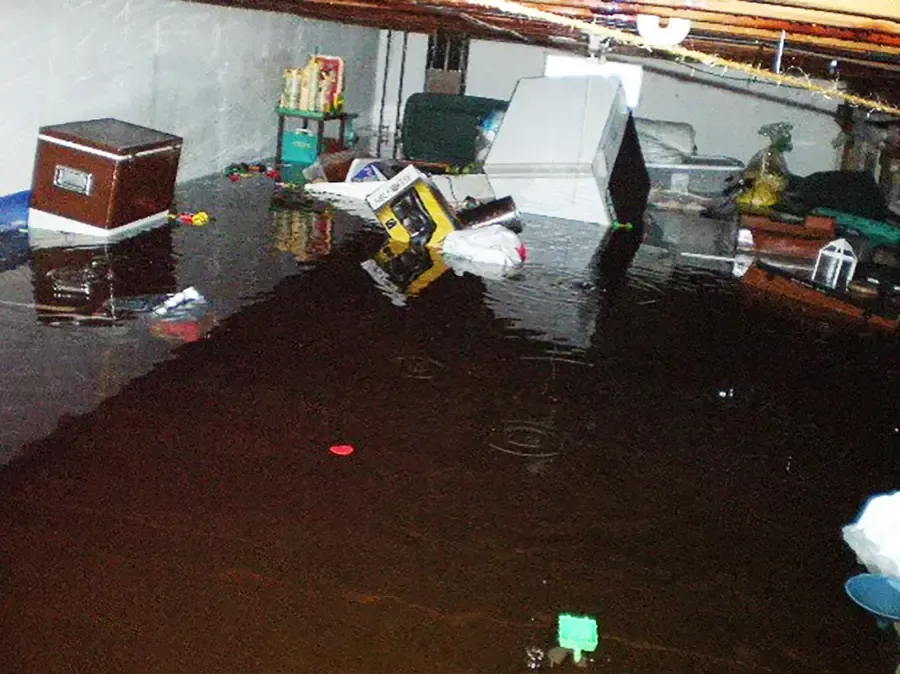 05Basement Water RemovalLower-level water calls for electrical precautions, controlled removal and attention to wall-floor joints.Explore this service
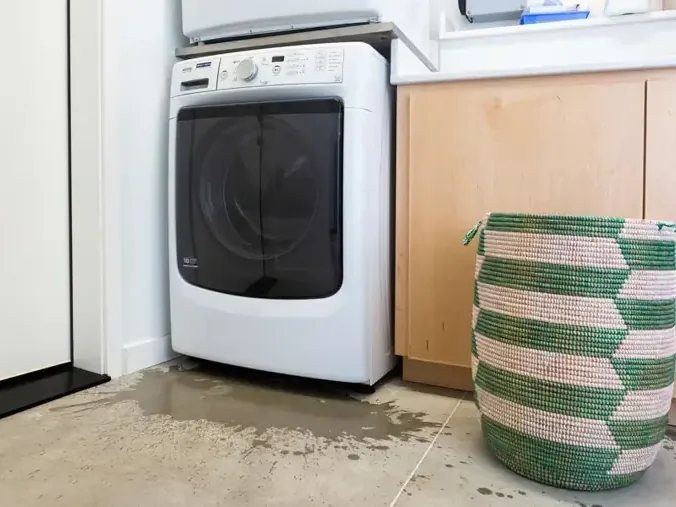 06Appliance Leak Water DamageDishwasher discharge and leaking supply hoses require different contamination and cabinet-drying decisions.Explore this service
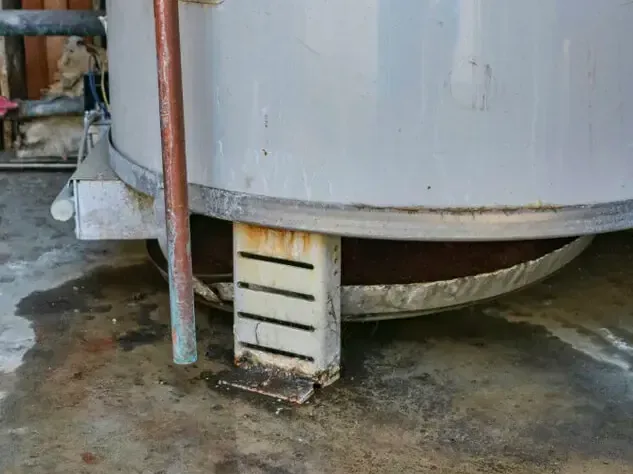 07Water Heater Leak CleanupA tank leak can saturate its enclosure and adjacent rooms even after the visible puddle recedes.Explore this service
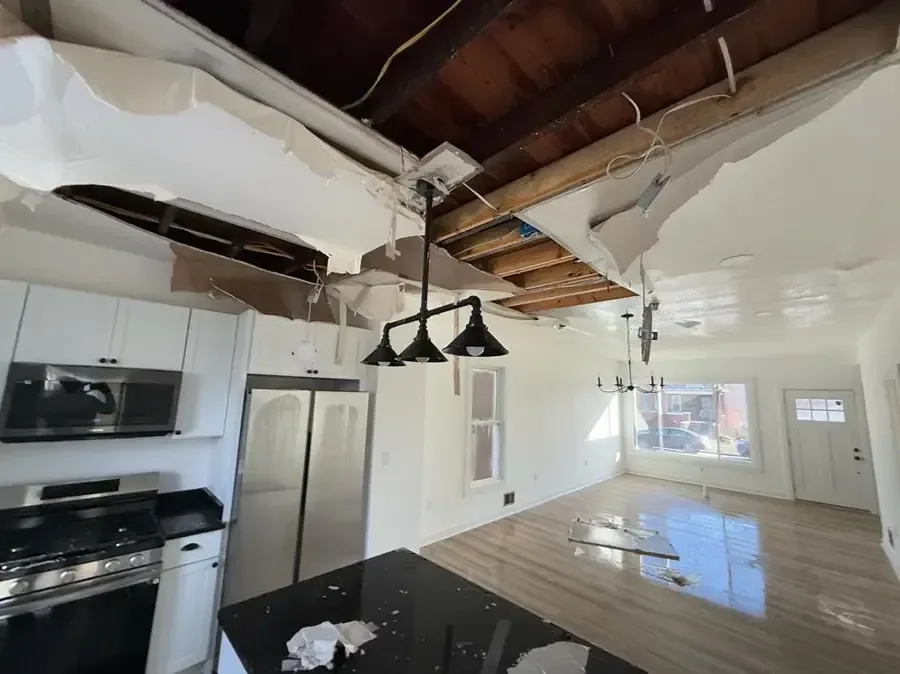 08Ceiling Leak Water DamageAn overhead stain may conceal wet insulation, damaged drywall and an electrical hazard above the room.Explore this service
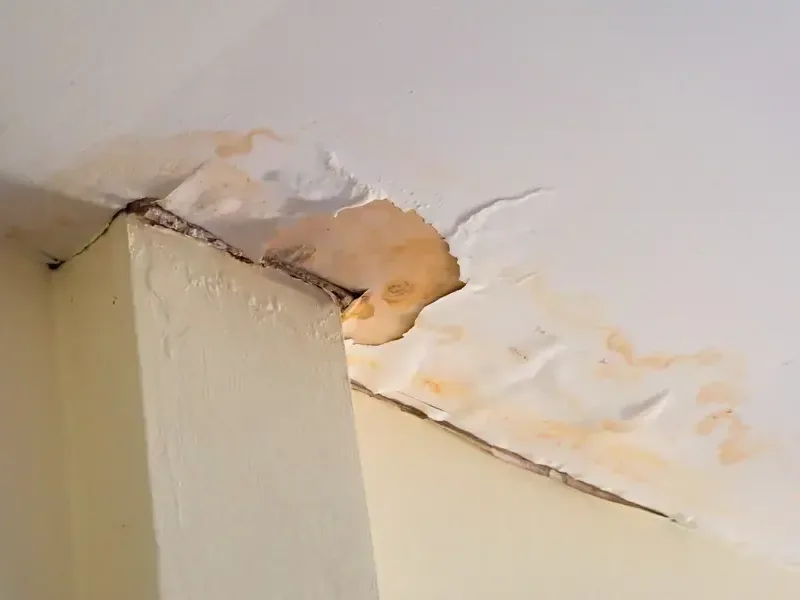 09Roof Leak Water DamageRain can follow rafters from a roof opening to a ceiling stain in another part of the room.Explore this service
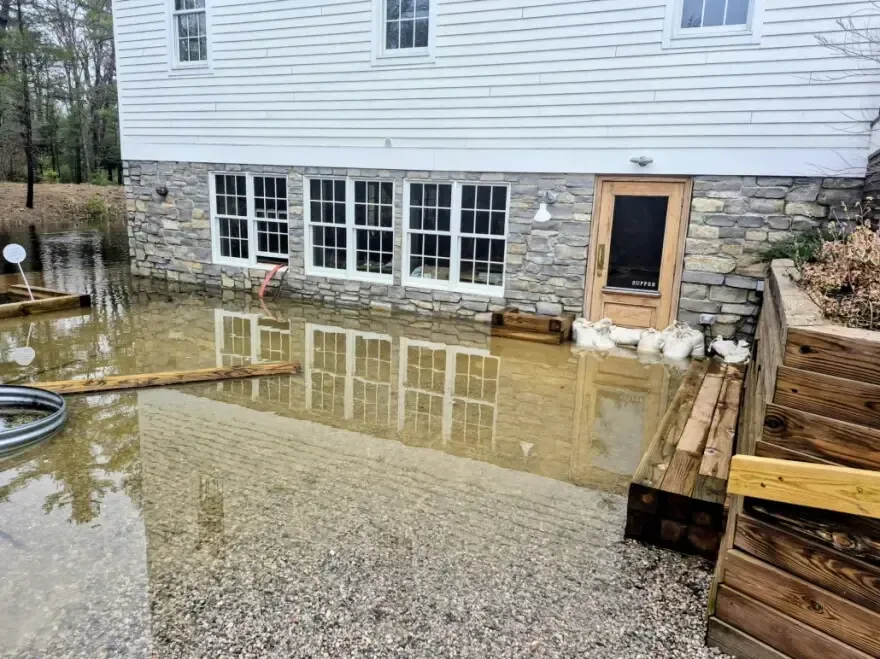 10Storm Flood CleanupRunoff brings soil and contaminants indoors, so cleanup includes checking soaked belongings and removing damaged finishes.Explore this service
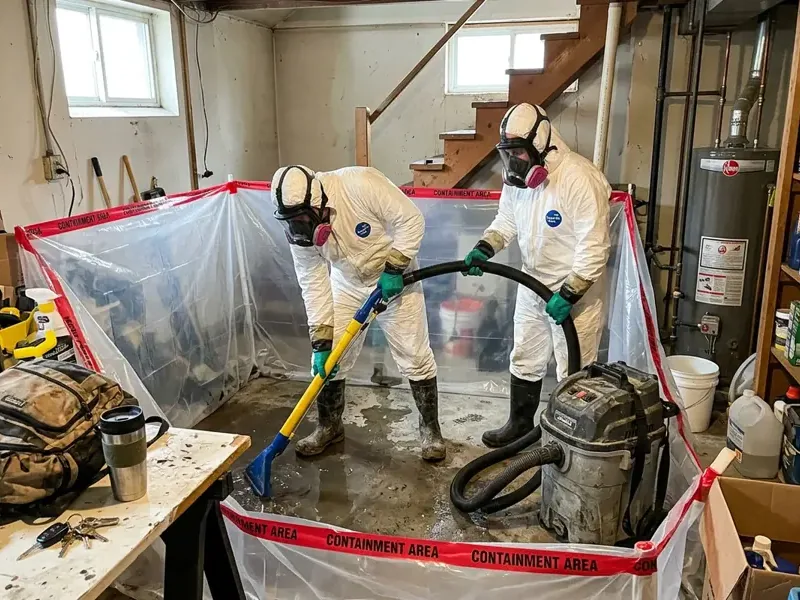 11Sewage Backup CleanupWastewater requires separation of the affected area and removal of contaminated absorbent materials.Explore this service
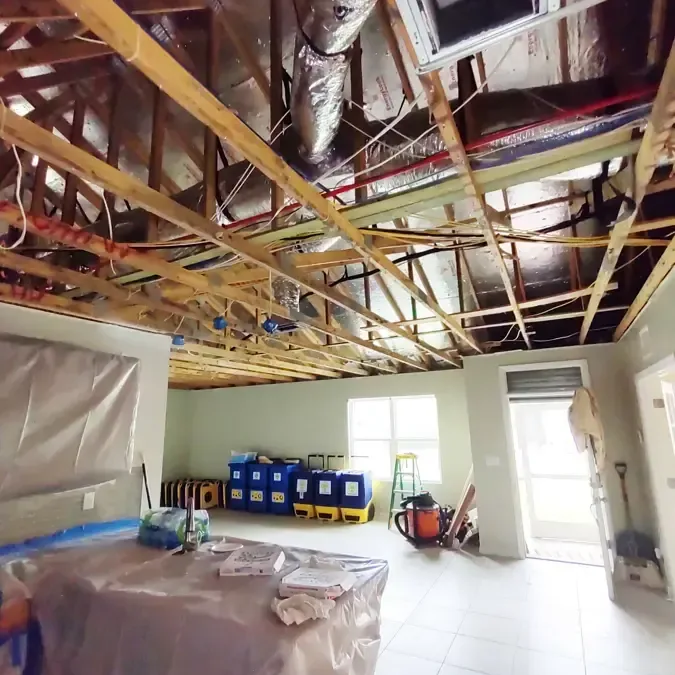
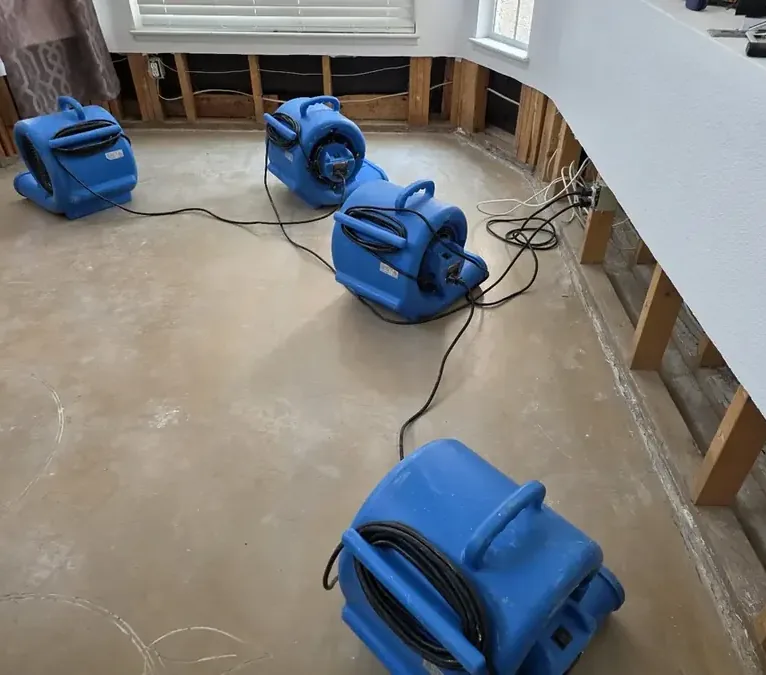 12Structural DryingEquipment placement changes as daily readings show where the structure still holds moisture.Explore this service
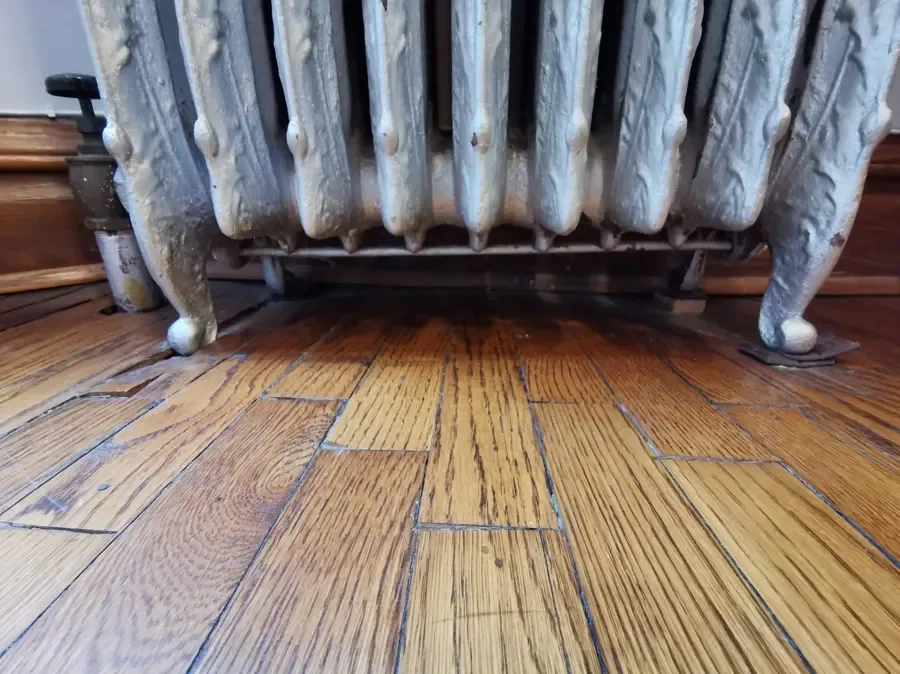 13Hardwood Floor Water DamageCupped boards need moisture comparisons above and below the floor before a repair decision.Explore this service
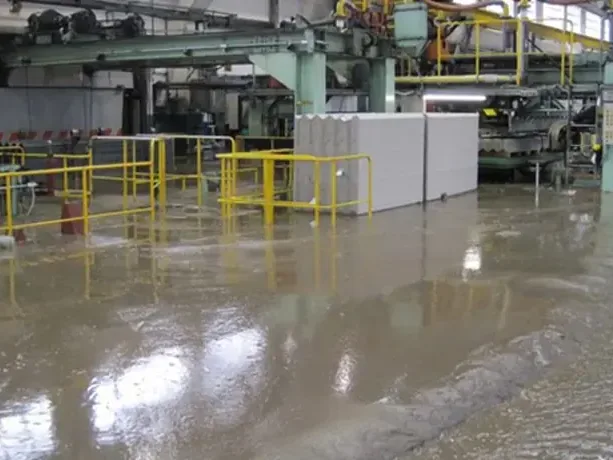 14Commercial Water DamageOccupied premises need a drying plan that accounts for access, shared spaces and affected operations.Explore this service
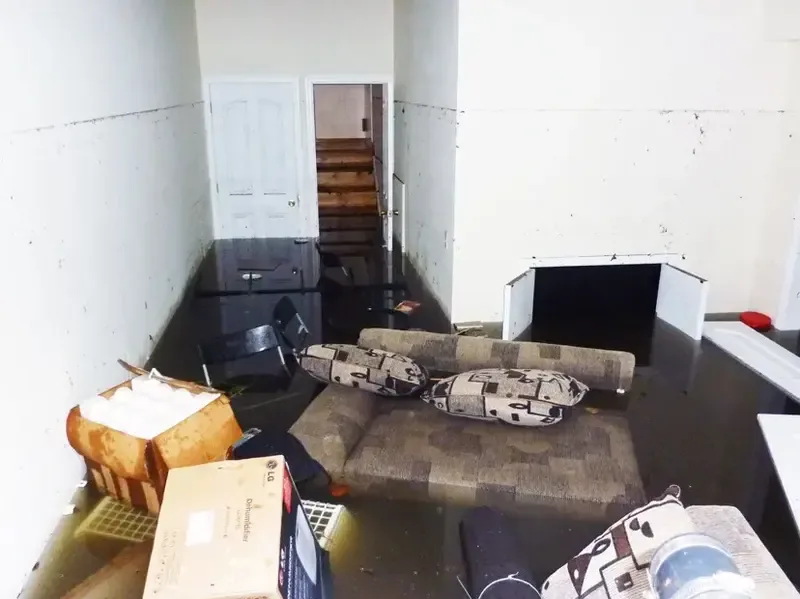 15Sump Pump Failure CleanupAn overflowing pit needs drainage-system attention as well as drying beyond the water mark.Explore this service
Livingston water damage crews follow the water beyond the stain
The restoration team tests the materials beside and beneath the visible damage. A room can look dry while its floor layers or wall base still carry moisture, so the work follows measurements.
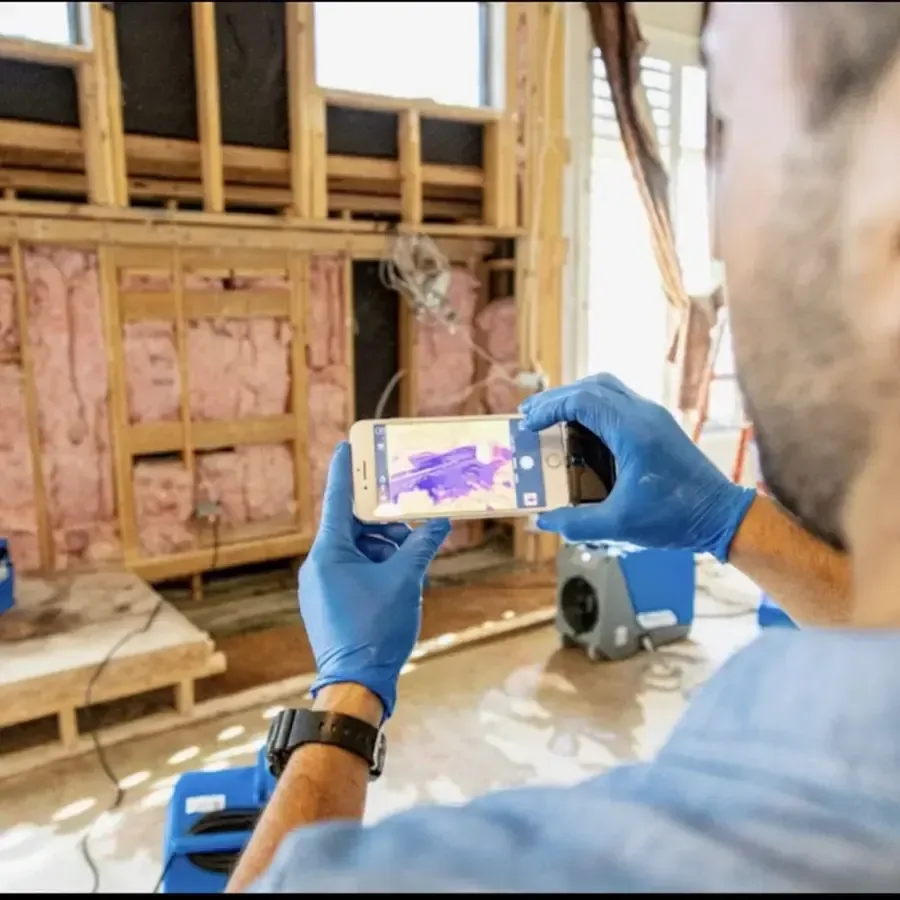
Rapid local response
The response team asks whether water is still entering, which rooms are wet and whether the entrance is safe. Those details help the crew prepare for the visit.
IICRC S500 drying standard
The technician checks the water source and wet materials, then measures an unaffected area for comparison. Repeat readings show when the flooring, walls and framing have dried.
Claim-ready documentation
The technician records photographs, moisture locations and material decisions so the property owner can follow the work and retain a clear loss file.
Local water experts
Postwar development and mixed-use buildings call for property-specific assessments. The inspection identifies the pipe material and checks the floor layers along the path of escaping water.
Water damage dried to the IICRC S500 standard
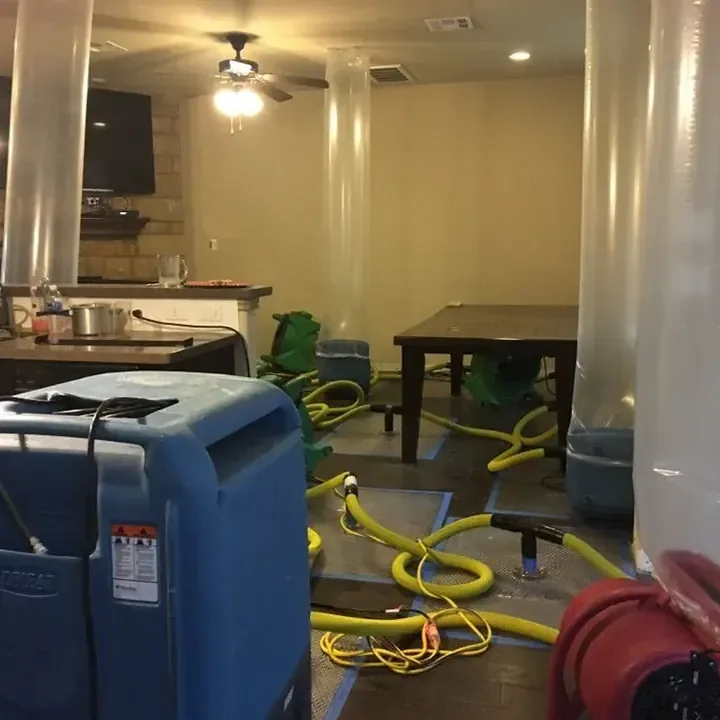
The crew removes standing water first. Air movers then help wet floors and walls dry while dehumidifiers collect moisture from the air. Meter readings show what still needs attention.
- 01
Identify the wet boundary
The assessor follows moisture into connected rooms and checks both exposed surfaces and accessible concealed spaces before deciding what needs opening.
- 02
Remove recoverable water
The extraction technician selects a wand, pump or weighted extraction method for the depth, surface and contamination identified at the property.
- 03
Control the drying space
Air movers carry moisture away from exposed surfaces while dehumidifiers remove it from the air. Open windows can interfere with that balance.
- 04
Compare and document
The drying team revisits marked locations, records the trend and checks materials against a suitable dry reference before equipment leaves.
All water damage categories covered in Livingston, NJ
Category 1: clean source
A broken supply pipe starts with clean water. The technician checks how long it has stood and what it has touched before deciding which materials can stay.
Supply-pipe damageCategory 2: contaminated discharge
Washer or dishwasher water can carry detergent and dirt. The crew checks the flooring, cabinet bases and wall edges it reached before choosing cleaning or removal.
Appliance water cleanupCategory 3: gross contamination
Sewage and outside floodwater require protective controls. The cleanup team removes affected porous materials before cleaning exposed surfaces and drying.
Sewage cleanup detailsWhat does water damage restoration cost in Livingston, NJ?
A typical water damage restoration planning range is $600 to $9,000 or more. The restoration contractor prices the affected area, contamination, access, material removal and equipment duration after inspecting the actual loss.
Contained room
- Limited clean-water footprint
- Extraction from accessible surfaces
- Moisture checks and controlled drying
Several affected areas
- Water across connected rooms
- Opening wet walls or floor layers
- More equipment and follow-up readings
Extensive or contaminated
- Broad spread or sewage exposure
- Removal and cleaning before drying
- Detailed material and equipment records
These figures support planning, not a binding price. Water category, square footage, material class and drying delay all matter. Compare inputs in the water damage cost calculator.
Documentation for your insurance claim
The contractor photographs wet rooms, records moisture readings and explains any removal. The owner can use those records to review the work and discuss the claim with an adjuster.
The policy determines coverage
A sudden supply discharge and rising outside water can fall under different policy provisions. The insurer reviews the cause, terms and exclusions.
The property owner should ask the insurer about documentation and deductibles. The insurer reviews the policy and claim records to determine coverage and payment.
- Photographs before material removal
- A room-by-room moisture map
- Source, water category and material observations
- Daily moisture and psychrometric readings
- An itemized scope with equipment records
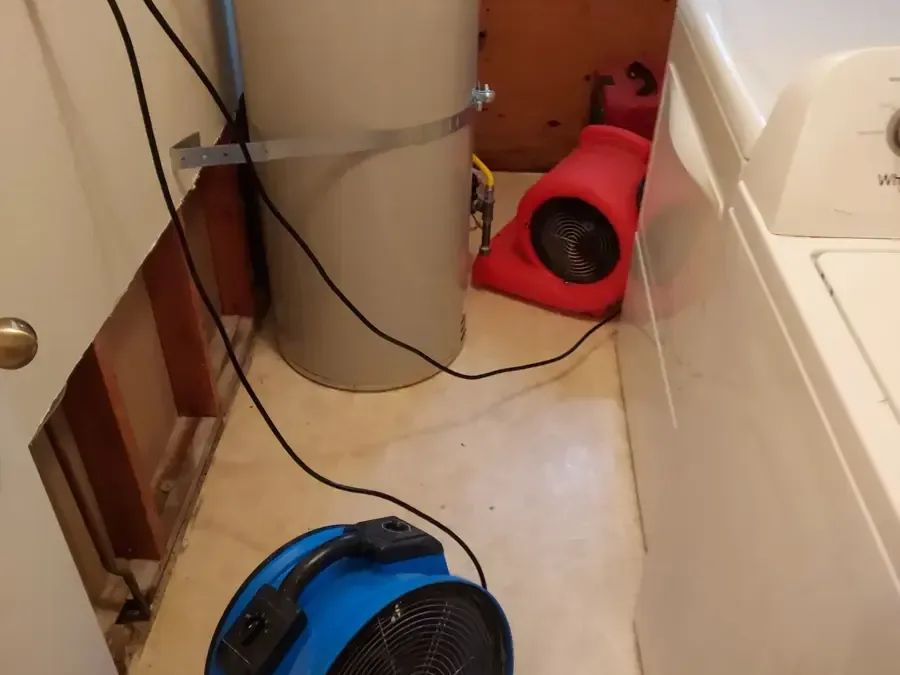
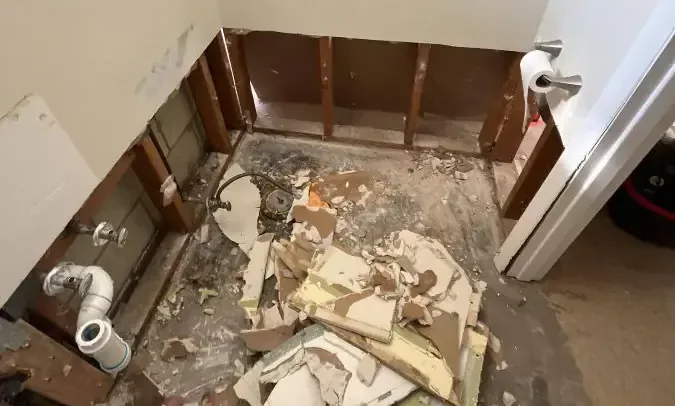
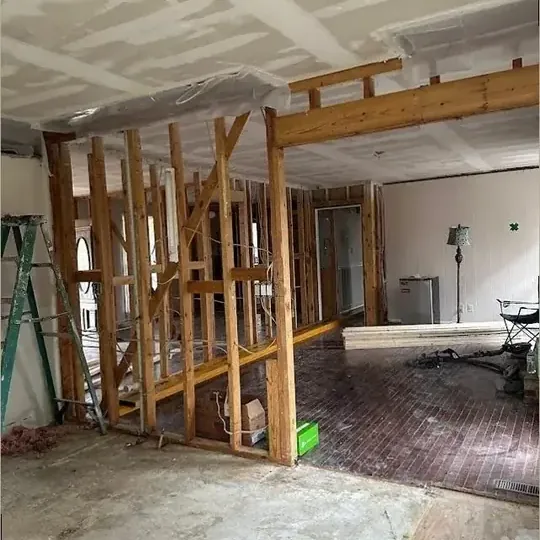
What a water damage dry-out looks like in Livingston
Water damage help across Livingston
Local places and corridors
ZIP coverage
07039
Nearby service areas
One call reaches Livingston water damage pros, 24/7
A useful damage description begins with the source and the rooms affected. The response team also needs to know whether access is safe.
A lower-level loss, overhead leak and wet commercial corridor require different preparation. Describe the materials and any continuing water entry.
(888) 471-9821Describe the source and spreadLivingston water damage: local conditions
Much of Livingston’s housing development followed World War II. In an older home, the crew checks beneath floor coverings and inside wet walls. At Livingston Town Center, shared spaces also need a plan for access while cleanup proceeds.
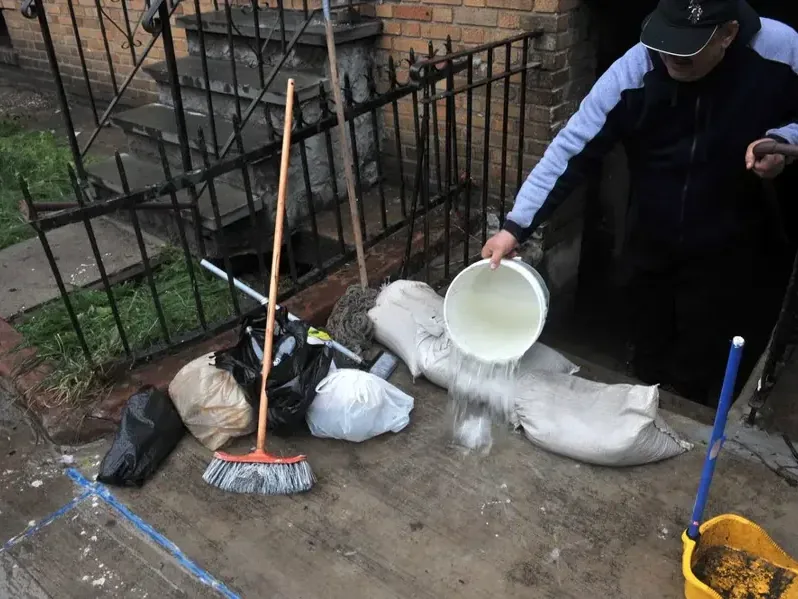
Water damage and drainage example
Tropical Storm Ida
Floodwater swept vehicles from East Hobart Gap Road during Tropical Storm Ida. Occupants need a dry, safe route out of danger before anyone starts assessing water inside a building.
- 01Passaic River. The Passaic River forms Livingston’s western boundary. Owners can review flood information for their property and plan safe access before heavy rain reaches the area.
- 02Mixed-use activity. Livingston Town Center combines uses. Water that crosses a shared boundary requires coordinated access and separate records for the affected spaces.
- 03Plumbing information. The township provides a service-pipe inventory. A building assessment should verify the actual material and ownership boundary before attributing a leak.
- 04Water-use monitoring. My360 lets residents track water use. An unexpected increase is a reason to check running fixtures and arrange a plumbing inspection for hidden leaks.
- 05Named local corridors. Old Road, Northfield Avenue and Eisenhower Parkway help the response team locate a property. Details about the entrance and affected floor help the crew reach the wet rooms safely.
Livingston water damage questions
Is emergency water damage help available overnight?
Water damage assistance is available 24/7. The response team asks about ongoing leakage, wet rooms and access hazards, then discusses the visit and the first cleanup steps with the property contact.
Does stopping a leak finish the job?
A closed supply valve stops new water from entering. The crew still needs to check drywall, flooring and insulation for absorbed moisture, remove standing water and plan drying for the affected rooms.
How does the crew know which rooms need drying?
The technician checks floors and walls around the puddle and in adjoining rooms. Meter readings help trace water beneath flooring or inside a wall, including areas where a stain has not yet appeared.
Can a fan dry the room by itself?
Air movement helps evaporation, but the released moisture still needs removal from the air. The drying team balances airflow with dehumidification and checks the materials instead of relying on how the room feels.
What changes the drying time?
Dense floor layers, concealed cavities, contamination and continuing water entry can extend the work. The drying-time estimator provides a planning range; actual readings determine completion.
Does every wet wall require removal?
The crew checks whether the wall is sound, how dirty the water was and whether moisture can escape. Damaged drywall and sewage-soaked materials may need removal; suitable materials can remain for cleaning and drying.
Why is sewage cleanup different from a supply leak?
Sewage begins as Category 3 contamination. The cleanup crew separates the affected area, uses protective equipment and removes contaminated porous materials before cleaning accessible surfaces and beginning a controlled dry-out.
What information belongs in the insurance file?
The owner should retain initial photographs, the source description, moisture records, material-removal decisions and the itemized scope. The insurer decides coverage under the policy; the contractor documents the work.
How can an owner prepare for flooding?
Owners can review property flood information, choose a safe exit route and keep essential items accessible. Federal flood preparation guidance offers planning steps to consider before water enters a home.
Water moving through a room needs an assessment
The mitigation team follows the moisture, removes standing water and checks the structure before finishing the dry-out.