Storm Flood Cleanup in Livingston, NJ
Runoff that enters a building brings a different cleanup problem from a supply leak. The response team evaluates entry hazards and contamination before removing water, affected porous materials and residual moisture.
(888) 471-9821Assess the outside-water loss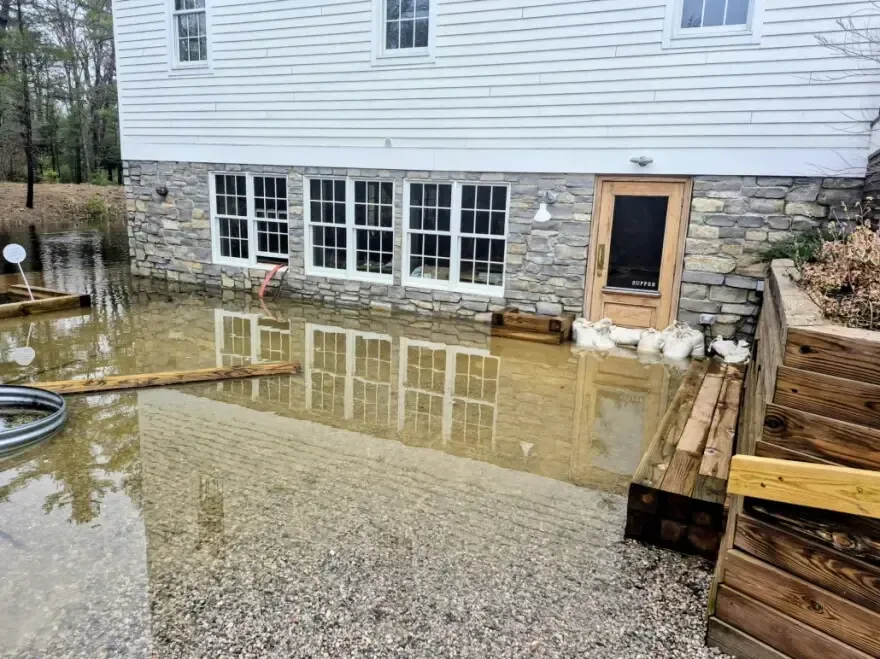
First steps for storm flood cleanup
- 01Wait for safe access
Follow emergency restrictions and avoid crossing moving water to reach the building, even when the exterior appears undamaged.
- 02Keep clean areas separate
Limit traffic between flooded and unaffected rooms so shoes, contents and cleanup tools do not spread contamination.
- 03Record contact marks
Photograph visible water levels and entry routes from a safe position before materials are removed or washed.
- 04Explain the water route
Tell the assessor whether water rose outside, entered at a doorway, backed through a drain or leaked from above.
How the team handles storm flood cleanup
The flood cleanup sequence protects unaffected spaces first. Controlled removal and cleaning prepare the remaining structure for drying; ordinary surface evaporation does not address contamination.
Assess the flood exposure
The response lead checks structural and electrical concerns, records the entry route and establishes protected access for the cleanup operation.
Remove contaminated absorbent layers
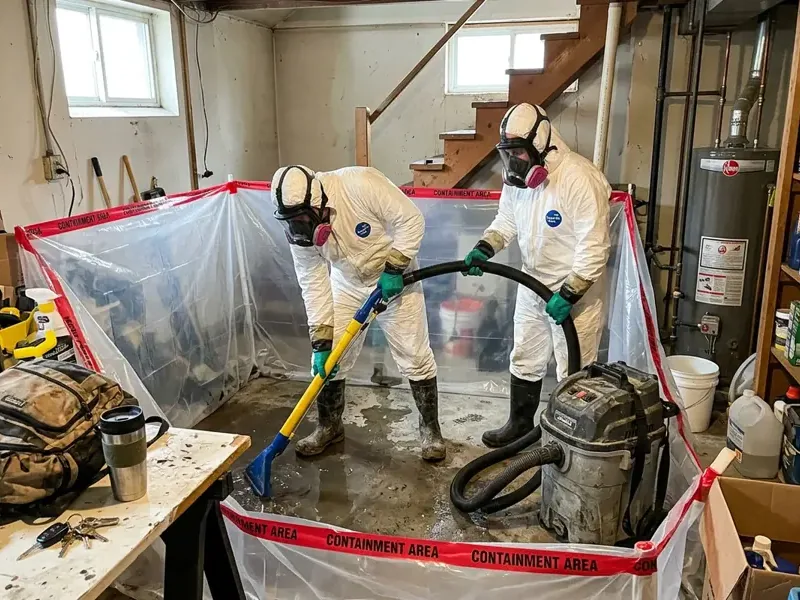
The crew documents and removes affected porous materials, using controlled handling routes to protect spaces outside the flood footprint.
Clean before controlled airflow
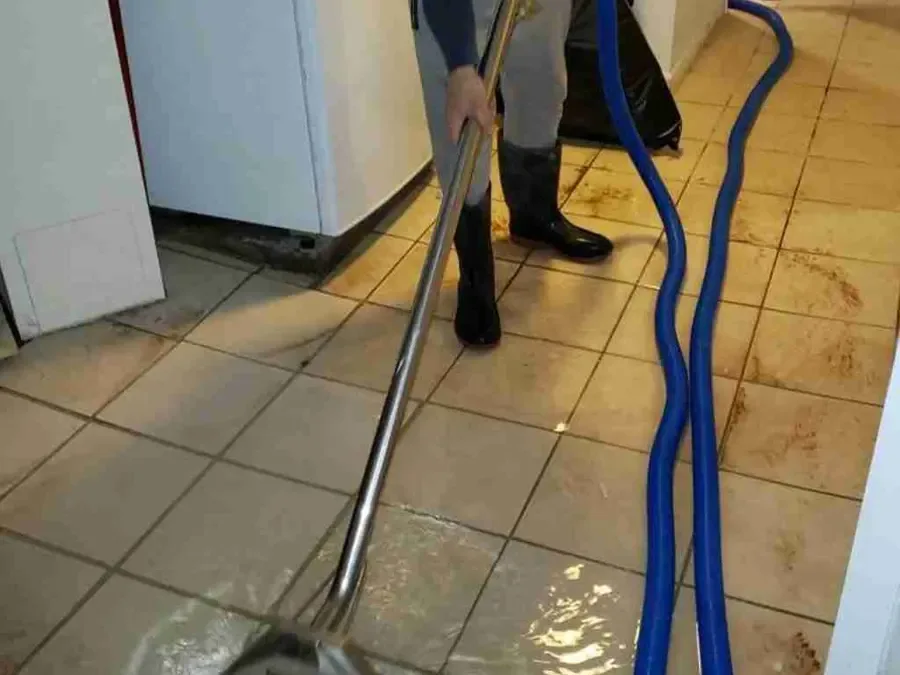
Technicians clean remaining accessible surfaces and apply appropriate products according to their labels before setting the structural drying equipment.
Verify the remaining assembly
The drying specialist compares repeated material readings with suitable references and records unresolved access or repair needs before closing the scope.
What does storm flood cleanup cost in Livingston, NJ?
Storm flood cleanup often ranges from $2,500 to $10,000 or more. Contamination, access, porous-material removal, affected floor area and the condition of the remaining structure determine the project scope.
The assessment separates immediate mitigation from later repairs. Review the material decisions and equipment allowance in the written scope.
(888) 471-9821Explain the flood entry routeLimited flood contact
- Protected access
- Focused material removal
- Cleaning and initial drying
Several flooded rooms
- Broader contamination controls
- Multiple removal zones
- Expanded drying setup
Extensive outside-water loss
- Complex access and contents
- Substantial porous-material removal
- Detailed structural monitoring
Scope factors: Water category, wet square footage, material class and the delay before drying change the equipment and removal required.
Use the water damage cost calculator for a planning estimate; a site assessment determines the work.
Storm Flood Cleanup work stages
- 01
Assess the flood exposure
The response lead checks structural and electrical concerns, records the entry route and establishes protected access for the cleanup operation.
- 02
Remove contaminated absorbent layers
The crew documents and removes affected porous materials, using controlled handling routes to protect spaces outside the flood footprint.
- 03
Clean before controlled airflow
Technicians clean remaining accessible surfaces and apply appropriate products according to their labels before setting the structural drying equipment.
- 04
Verify the remaining assembly
The drying specialist compares repeated material readings with suitable references and records unresolved access or repair needs before closing the scope.
The Passaic River forms Livingston's western border. During Tropical Storm Ida, a local report described vehicles swept from East Hobart Gap Road. These are reasons to take moving water seriously, not proof that every property in the township lies in the same flood zone.
Safe entry comes before saving finishes
Outside water can hide debris, electrical contact and unstable surfaces. The cleanup contractor assesses the building before starting recovery. An owner should avoid crossing floodwater to reach a door, pump or vehicle, even when the destination appears close and the water seems shallow.
At a property near Prospect Park, the source assessment still needs evidence of how water entered. Rain through a roof, runoff at a doorway and a drain backup require distinct investigation. The team records the route and conditions rather than treating all storm-timed damage as the same loss.
- Identify entry points from safe observations after the water recedes.
- Keep affected footwear and contents out of clean living spaces.
- Record water marks before removal changes their visibility.
- Separate wet electrical equipment from materials the cleanup crew can assess.
Contaminated absorbent materials change the scope
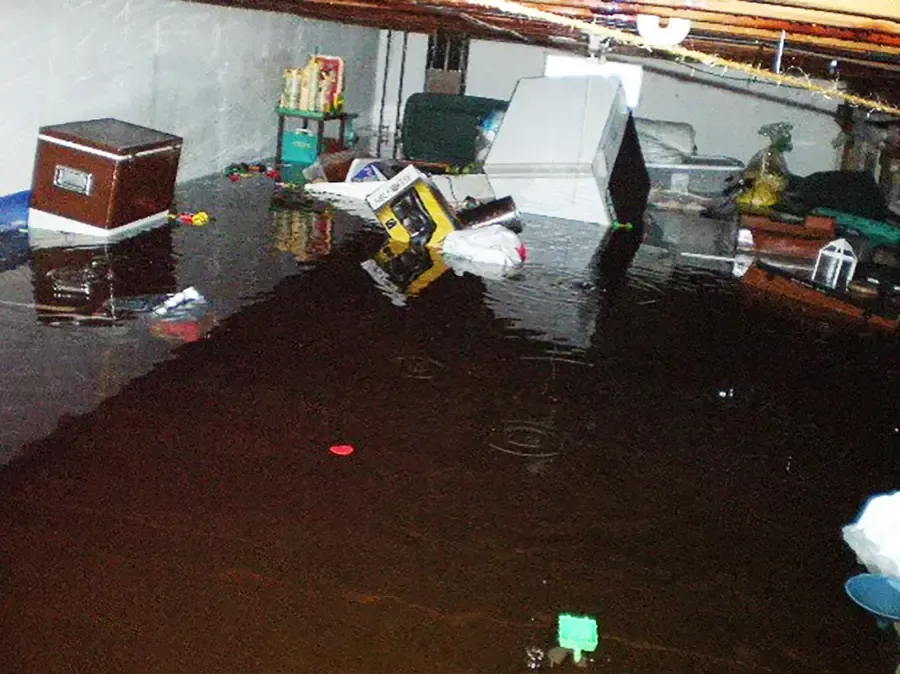
Outside floodwater may carry sewage, soil and other contaminants. The mitigation contractor treats that exposure as Category 3 and removes affected porous materials that cannot be safely retained. Drying contaminated carpet or insulation in place does not resolve the exposure.
The crew contains the work area, removes damaged absorbent layers and cleans accessible remaining surfaces before aggressive drying airflow. Protective equipment and handling routes reduce transfer into unaffected rooms. The restoration plan should explain those controls in terms the owner can follow.
Document the water route and the remaining structure
Photographs, initial readings and removal notes help distinguish floodwater contact from unrelated preexisting damage. The drying specialist then records the material condition after cleaning and follows progress at marked points. Insurance treatment of rising outside water can differ from a sudden plumbing discharge, so the owner should ask the insurer about the applicable coverage.
Never drive or walk through moving floodwater to inspect a loss. Wait for safe access and follow public emergency instructions. A wet building may still have energized equipment, weakened surfaces or contaminated contents after the street clears. The cleanup crew must evaluate those conditions before pumping, demolition or air movement begins inside the property.
Outside water changes the cleanup sequence. Describe how it entered and which materials it contacted so contamination controls precede the dry-out.
(888) 471-9821Explain the flood entry routeStorm flood cleanup in Livingston
Water damage assistance covers ZIP 07039, Northfield Center, Livingston Center and Livingston Circle. The assessment follows the wet materials in each building.
Other water problems to check
Storm Flood Cleanup questions
Is floodwater treated like a clean supply leak?
No. Outside water can carry soil, sewage and other contamination. The contractor assesses it as a contaminated loss and plans protective controls and material removal accordingly.
Can wet carpet be dried after outside flooding?
Affected porous materials require a contamination-based decision. Drying alone does not remove the contaminants introduced by outside floodwater.
Does the whole township share one flood exposure?
No. A named river or a reported road incident does not determine a parcel flood zone. Owners need property-specific information and an assessment of the actual entry path.
Why clean before using air movers?
Aggressive airflow can spread contaminants from an uncleaned work area. The contractor removes affected absorbent material and cleans accessible surfaces before controlled structural drying.
Does ordinary homeowners insurance cover outside water?
Coverage depends on the policy and cause. Rising outside water can require separate flood coverage, so the owner should ask the insurer rather than assume reimbursement.
What should the final record include?
Entry observations, water marks, material-removal decisions, cleaning records and repeated drying measurements explain how the loss was assessed and what work remains.
Cleanup must address what the water carried
The mitigation team separates affected spaces, removes contaminated absorbent layers and measures the structure after cleaning.