Slab Leak Water Damage in Livingston, NJ
Damp floor seams or a spreading stain can indicate moisture below the finish. The restoration assessor maps the wet area while a plumbing investigation determines whether a concealed supply leak is responsible.
(888) 471-9821Investigate moisture under the floor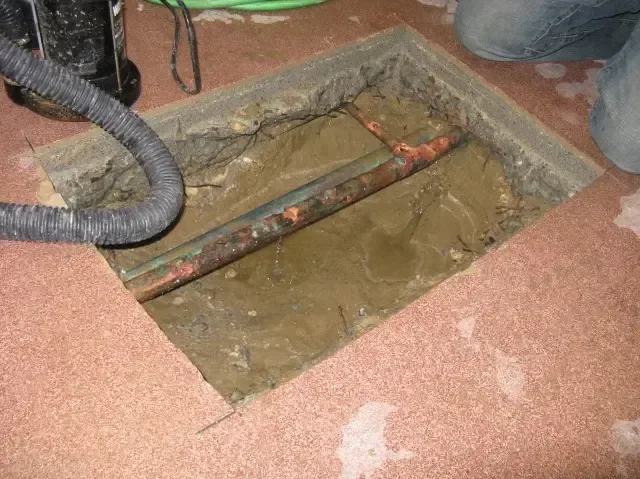
First steps for slab leak water damage
- 01Mark the first signs
Lifting seams, damp edges and unusual water use give the plumber specific symptoms to investigate. Supply testing and leak location establish the repair target.
- 02Arrange source testing
Ask a plumbing professional to investigate the supply while the mitigation team measures the affected floor and adjoining walls.
- 03Protect access
Move accessible dry belongings away from the wet boundary and keep rugs off damp areas where they could conceal continuing spread.
- 04Retain repair findings
Keep source-test results and pipe-repair photographs with the moisture record so later flooring decisions reflect the confirmed cause.
How the team handles slab leak water damage
A slab-related loss requires source confirmation and layered-floor assessment. Concrete, adhesive, underlayment and nearby wall bases may need different drying and removal decisions.
Map the layered footprint
The technician compares readings across the finish and accessible substrate, noting where partitions or cabinets may hide continued moisture movement.
Coordinate the source repair
The plumber resolves the confirmed leak, while the restoration contractor records how the repair opening affects access to wet floor layers.
Expose and dry selectively
The crew removes unsalvageable coverings or trapped layers where needed, then controls humidity and airflow around the remaining accessible substrate.
Check replacement requirements
The drying specialist documents progress and remaining limitations, allowing the flooring installer to apply the specific tests required for the replacement product.
What does slab leak water damage cost in Livingston, NJ?
Slab-leak damage mitigation typically runs $1,500 to $6,500, with extensive floor removal reaching higher amounts. Leak detection, plumbing repairs, concrete work and replacement finishes may be separate charges.
The assessment separates immediate mitigation from later repairs. Review the material decisions and equipment allowance in the written scope.
(888) 471-9821Review the damp floor layersFocused damp floor
- Moisture mapping
- Accessible layer assessment
- Targeted structural drying
Several floor layers
- Selective finish removal
- Cabinet-edge checks
- Substrate drying records
Widespread trapped water
- Broader floor access
- Extended equipment operation
- Repair-readiness documentation
Scope factors: Water category, wet square footage, material class and the delay before drying change the equipment and removal required.
Use the water damage cost calculator for a planning estimate; a site assessment determines the work.
Slab Leak Water Damage work stages
- 01
Map the layered footprint
The technician compares readings across the finish and accessible substrate, noting where partitions or cabinets may hide continued moisture movement.
- 02
Coordinate the source repair
The plumber resolves the confirmed leak, while the restoration contractor records how the repair opening affects access to wet floor layers.
- 03
Expose and dry selectively
The crew removes unsalvageable coverings or trapped layers where needed, then controls humidity and airflow around the remaining accessible substrate.
- 04
Check replacement requirements
The drying specialist documents progress and remaining limitations, allowing the flooring installer to apply the specific tests required for the replacement product.
Livingston expanded through substantial postwar housing development, but that history does not determine the foundation beneath a particular room. A property at Northfield Center needs an inspection of its actual floor assembly before anyone attributes damp flooring to a pipe below concrete.
Confirm the source before opening the floor
A warm patch, unexplained consumption or lifting finish can prompt investigation, but none of those signs locates a failed pipe on its own. The plumber evaluates the supply while the drying technician measures the damage footprint. Rainwater entry, an appliance leak and moisture below a slab can produce overlapping symptoms.
The township's My360 consumption monitoring can help an owner notice changes in water use. A property along Old Road still needs controlled source testing to determine whether the change relates to a leak. A consumption graph is evidence of use, not a map of underground plumbing.
- Record where flooring first changed color, lifted or felt damp.
- Compare moisture readings across affected and unaffected floor areas.
- Check cabinet bases and nearby wall edges for secondary absorption.
- Retain the plumber's findings separately from assumptions based on the stain.
Floor layers dry at different rates
Water can move along the interface between concrete and a finish, spreading beyond the visible wet spot. An impermeable covering may restrict evaporation. The mitigation contractor assesses whether a layer can remain, whether targeted access is practical and whether damaged adhesive or underlayment requires removal.
Premises near Livingston Town Center may also have furniture, partitions or operating restrictions that limit access. The drying plan should identify those constraints before equipment placement. The crew monitors exposed material and protected edges rather than treating the center of an opened area as representative of the whole floor.
Verify readiness before replacement flooring
A slab surface can feel dry while deeper moisture remains unsuitable for a replacement finish. The flooring installer may require material-specific tests and limits in addition to mitigation readings. The owner should keep those requirements visible in the repair scope so a new covering does not trap moisture that the dry-out has not resolved.
Do not cut or drill concrete merely to follow a suspected damp patch. Concealed utilities and structural conditions need professional evaluation before invasive access. Keep electrical cords away from wet floor edges, and avoid covering the area with rugs. The source investigation and drying assessment should establish a reason for each opening before removal begins.
A damp finish can hide a larger footprint underneath. Describe the earliest floor changes and any plumbing findings before choosing the drying method.
(888) 471-9821Review the damp floor layersSlab leak water damage in Livingston
Water damage assistance covers ZIP 07039, Northfield Center, Livingston Center and Livingston Circle. The assessment follows the wet materials in each building.
Other water problems to check
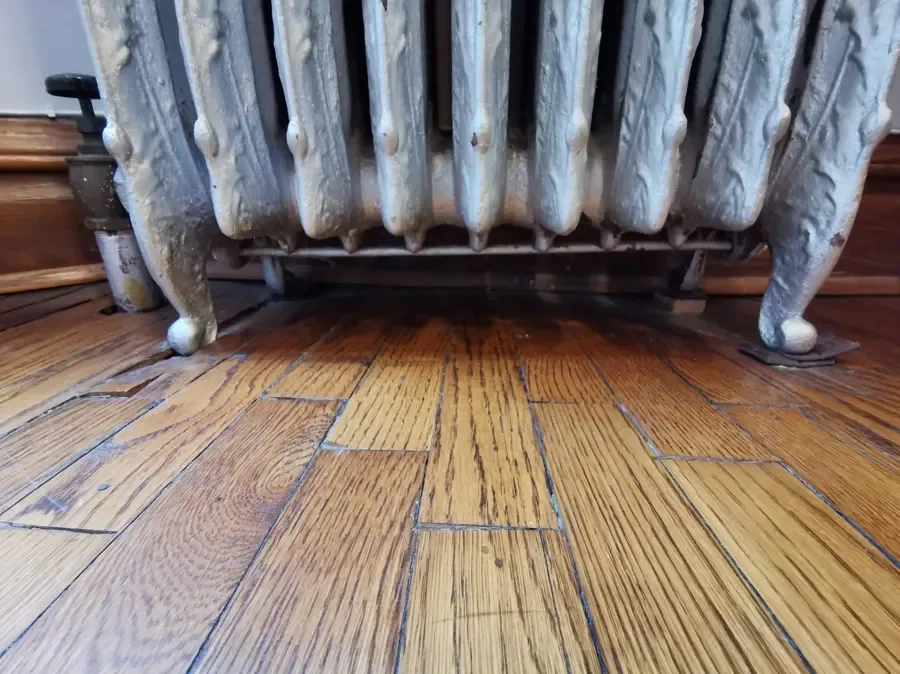
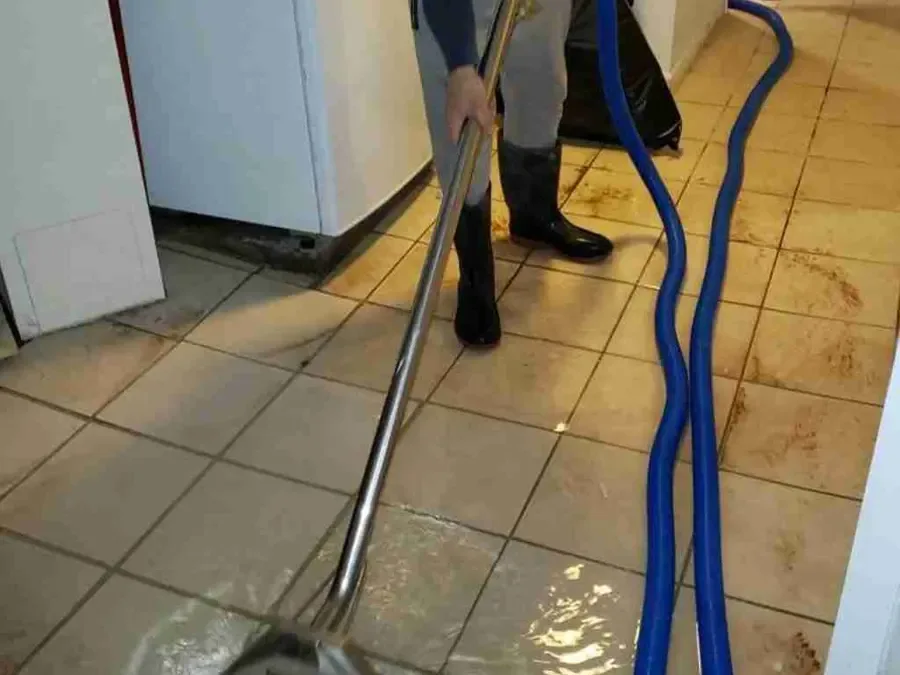
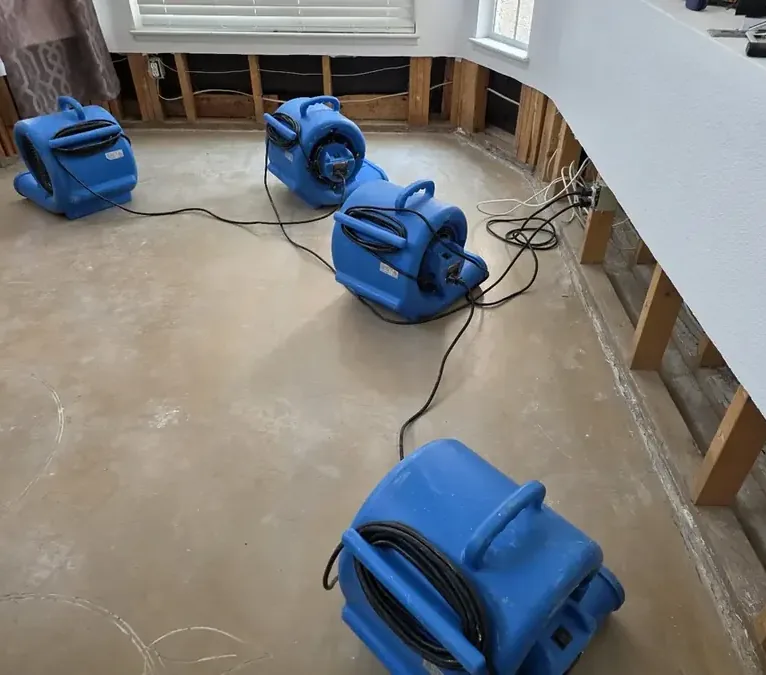
Slab Leak Water Damage questions
Does a warm floor prove a slab leak?
No. A warm area can justify investigation but does not determine a failed supply pipe. Plumbing tests and material observations need to support the diagnosis.
Can water travel beneath an intact finish?
Yes. Water can move along floor interfaces and appear at seams or wall edges. The assessor maps beyond the first visible spot to find the wider footprint.
Will a high water bill locate the leak?
A consumption change can prompt investigation, but it does not identify the pipe location. Fixture use and other causes need consideration during source testing.
Does every floor covering need removal?
The contractor considers condition, permeability and drying access. Some layers may remain, while damaged or trapped materials require removal to reach the substrate.
When is concrete ready for a new finish?
The replacement flooring system may specify its own moisture tests and limits. Mitigation records support that decision but do not replace the installer's product requirements.
Is slab repair part of the drying price?
Plumbing access, concrete repair and finish replacement may be separate scopes. The written proposal should identify those items clearly before work starts.
Resolve the source beneath the symptoms
The restoration contractor measures each affected floor layer and records what remains wet after the plumbing repair.