Slab Leak Water Damage in Roseland
An unexplained damp floor can persist after visible water is wiped away. Roseland slab leak cleanup connects the plumbing investigation with an assessment of concrete, floor coverings and nearby wall bases affected by the release.
(888) 471-9821Discuss moisture above the slab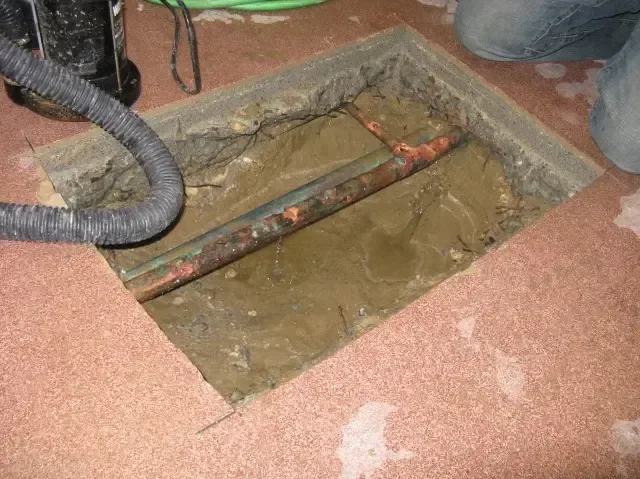
First steps for slab leak water damage
- 01Record the recurring damp area
Notes about moisture returning after wiping help direct the plumbing investigation without requiring the owner to remove finishes or open the floor.
- 02Limit use around affected finishes
Lifted edges and wet transitions can create trip hazards. Nearby furnishings should stay clear until the surface and access are assessed.
- 03Coordinate the source investigation
The plumbing assessment should align with cleanup planning so repair openings also allow inspection of surrounding concrete and the wet floor assembly.
- 04Hold off on replacement flooring
Supporting layers need evaluation before new coverings are installed. Concealing the damp area can make remaining moisture harder to assess and address.
How the team handles slab leak water damage
Water escaping beneath or through a slab can affect several flooring layers, requiring source repair, selective material access and a drying plan suited to the exposed assembly.
Define the moisture pattern
Inspection follows floor changes and readings toward the perimeter, establishing a working boundary that can be revised when concealed layers become accessible.
Coordinate selective floor access
The crew uses plumbing openings and damaged finish edges to reach trapped moisture, then checks the adjoining layers to set the removal boundary.
Monitor the exposed materials
Equipment is adjusted to the assembly, with repeat measurements showing how concrete, backing and wall materials respond as retained moisture leaves them.
Prepare the flooring handoff
Completion notes identify material conditions, allowing the flooring professional to evaluate installation requirements before replacement coverings conceal the repaired substrate and surrounding layers.
What does slab leak water damage cost in Roseland, NJ?
Slab leak cleanup in Roseland depends on the floor layers affected and how much access is necessary. The cleanup estimate should separate material drying from the plumbing investigation, pipe repair and replacement flooring.
The assessment separates immediate mitigation from later repairs. Review the material decisions and equipment allowance in the written scope.
(888) 471-9821Explain the recurring floor moistureFocused damp floor
- Localized finish changes
- Limited layer access
- Focused moisture checks
Several floor layers
- Wet backing materials
- Multiple exposed surfaces
- Extended assembly drying
Widespread trapped water
- Broad flooring involvement
- Enclosed edge moisture
- Complex repair coordination
Scope factors: Water category, wet square footage, material class and the delay before drying change the equipment and removal required.
Use the water damage cost calculator for a planning estimate; a site assessment determines the work.
Slab Leak Water Damage work stages
- 01
Define the moisture pattern
Inspection follows floor changes and readings toward the perimeter, establishing a working boundary that can be revised when concealed layers become accessible.
- 02
Coordinate selective floor access
The crew uses plumbing openings and damaged finish edges to reach trapped moisture, then checks the adjoining layers to set the removal boundary.
- 03
Monitor the exposed materials
Equipment is adjusted to the assembly, with repeat measurements showing how concrete, backing and wall materials respond as retained moisture leaves them.
- 04
Prepare the flooring handoff
Completion notes identify material conditions, allowing the flooring professional to evaluate installation requirements before replacement coverings conceal the repaired substrate and surrounding layers.
A wet seam in flooring may be the point where concealed water becomes visible, rather than the place the plumbing failed. Locating the source and assessing the affected floor are complementary tasks. Repair access should be coordinated with the investigation of moisture beneath the finish.
Use a changed bill as a prompt to investigate
Roseland water and sewer billing is quarterly, with a meter fee separated from consumption charges. Unexplained usage is worth discussing with the appropriate plumbing professional. The bill can help an owner notice a change, while direct inspection determines whether water is escaping at the building.
For a property around Becker Farm, the owner can compare the damp area with the location of equipment, floor transitions and nearby partitions. Those details help organize access. An assessment should distinguish water resting on the finish from moisture beneath it before selecting a removal method.
Examine the floor as a layered assembly
Concrete, adhesives, underlayment and finished flooring respond differently to water. Some coverings prevent useful evaporation from below. Lifting a limited section may reveal a wet layer that cannot be reached from the room above, and the inspection should explain why additional access is necessary.
- Mark the visible changes in color, texture or floor shape.
- Check wall bases where water meets the edge of the room.
- Document removed layers so later repairs can match the original assembly.
A home near Williams-Harrison House should be evaluated by the materials actually present. The appropriate drying approach depends on their condition, thickness and accessibility. Wood floor assessment becomes relevant where boards or their supporting layers have taken up moisture.
Separate pipe access from restoration access
At an Eisenhower Parkway property, the opening needed to repair plumbing may not expose the full damp area. Material readings can identify whether cleanup must extend toward a partition or neighboring floor. Drying of structural materials then addresses the remaining moisture after the source is corrected.
New flooring should follow a suitable moisture assessment, not simply the disappearance of surface staining. The owner needs a record of the affected layers, the drying progress and any conditions the next flooring trade must evaluate before installing replacement materials.
Recurring floor dampness deserves a source investigation and a material assessment together. Mention the finish type, any recent usage change and the rooms showing visible moisture.
(888) 471-9821Explain the recurring floor moistureSlab leak water damage in Roseland
Roseland slab related assessments follow damp floor assemblies and adjacent wall bases, with repair access and the condition of underlying materials shaping the cleanup.
The same service nearby: slab leak water damage in Livingston, Caldwell, East Hanover.
Other water problems to check
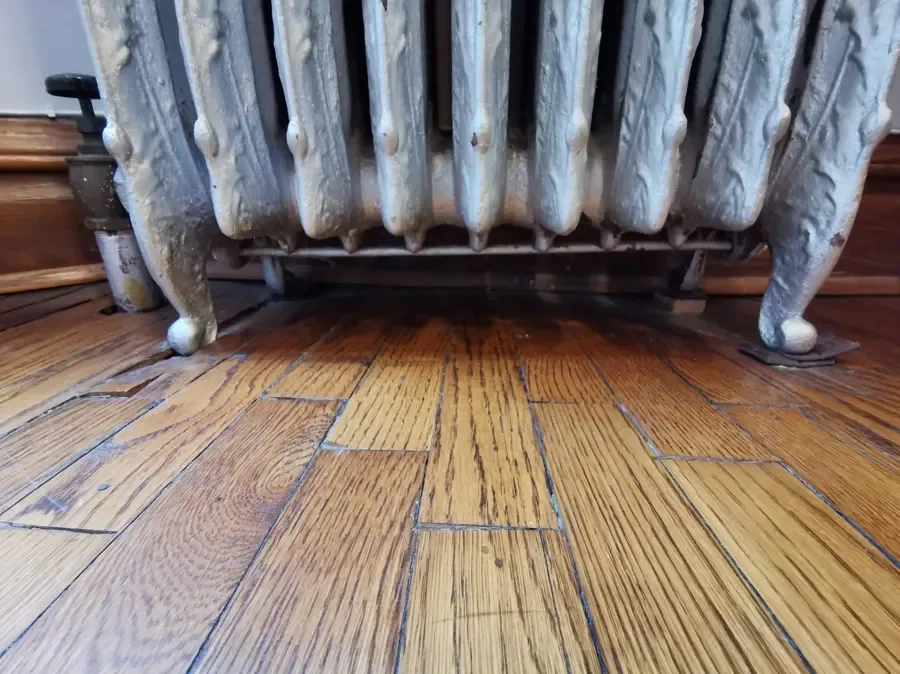
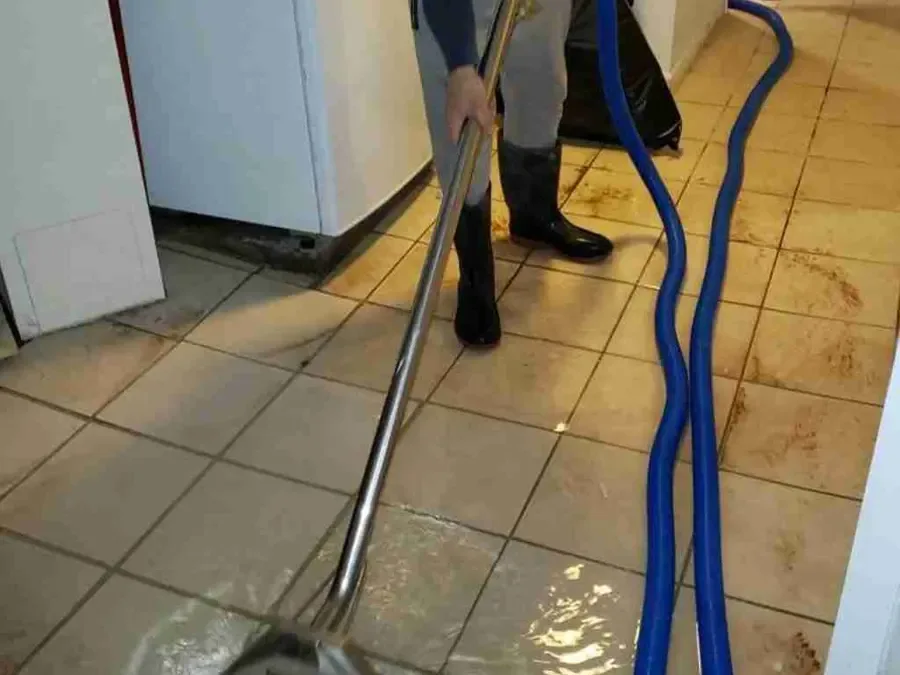
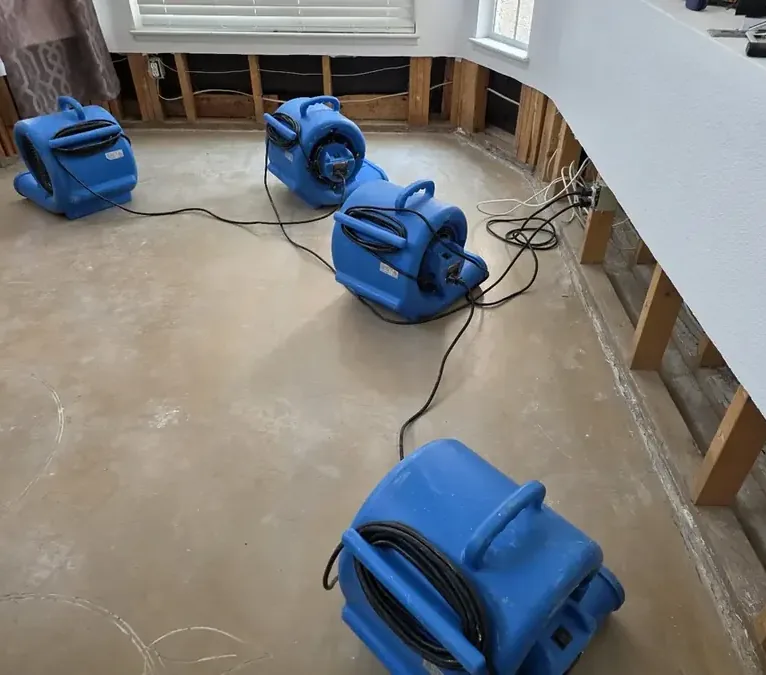
Slab Leak Water Damage questions
Does a damp floor always mean a slab leak?
Several sources can wet flooring. A plumbing investigation and moisture assessment establish the actual cause before cleanup is organized around a presumed leak beneath concrete.
Is a higher water bill useful information?
Unexplained consumption can prompt a plumbing check. The borough separates meter fees from usage charges, so reviewing the consumption portion can help describe the change.
Will the whole floor need removal?
Access depends on the affected layers and their condition. Targeted inspection can help determine where moisture is trapped and which materials can remain during drying.
Can concrete retain moisture after repair?
Yes. The visible puddle can disappear while the slab and surrounding layers remain damp. Measurements help evaluate drying progress before new coverings conceal those surfaces.
Who decides when new flooring can be installed?
The flooring professional evaluates installation requirements using the condition of the substrate and relevant moisture information. Cleanup documentation helps make that handoff clearer after drying.
Can a neighboring wall become wet too?
Water can reach the room perimeter and affect trim or wall bottoms. Those connections should be checked when the floor assessment shows moisture extending toward them.
Resolve the moisture beneath the finished surface
An effective plan connects the pipe repair with access to damp layers so the next flooring decision rests on their measured condition.