Commercial Water Damage in East Hanover
A wet workspace affects access, equipment and the rooms connected to daily operations. Commercial restoration defines the affected area, coordinates building contacts and plans removal and drying around the actual conditions inside the premises.
(888) 471-9821Discuss the affected business space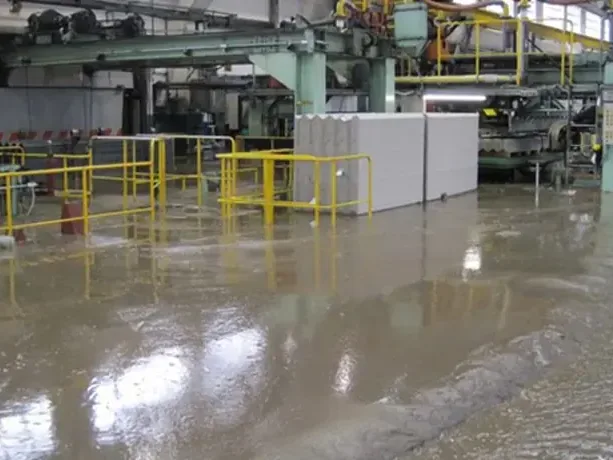
First steps for commercial water damage
- 01Identify the building contact
Name the person authorized to coordinate access and approve work. Include any property manager or tenant representative needed for entry decisions.
- 02Separate the wet workspace
Keep staff and visitors outside hazardous areas. Describe doors, corridors or equipment that limit movement around the affected section of the premises.
- 03Record affected business contents
Document wet stock, furnishings and equipment from safe access. Retain item locations so the loss record remains clear after materials are moved.
- 04Coordinate specialist equipment handling
Have the appropriate parties address sensitive or powered equipment. Restoration access should account for those decisions before extraction or material removal reaches the area.
How the team handles commercial water damage
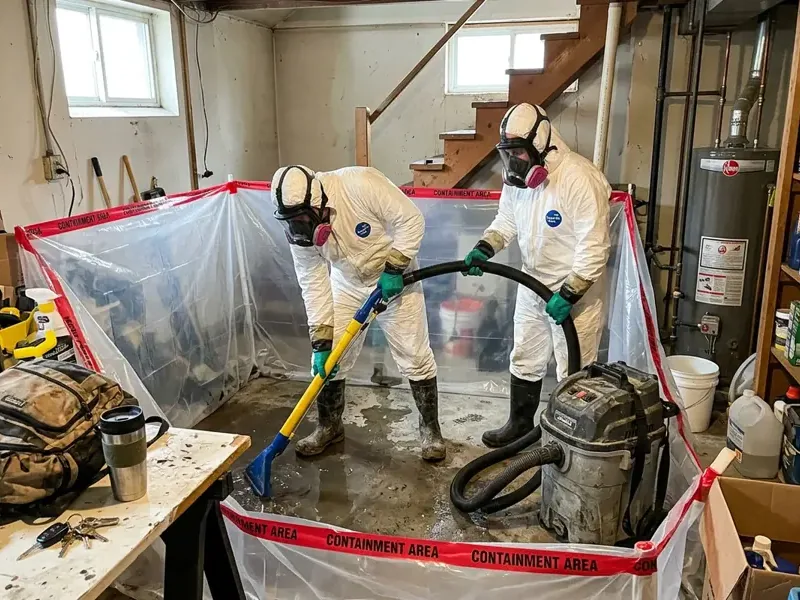
Commercial water restoration addresses affected business interiors with a coordinated scope for water removal, contents handling and material drying, accounting for access controls and the responsibilities of the building contacts involved.
Survey the operational footprint
Building contacts identify wet workspaces, equipment restrictions and available routes for the restoration work.
Arrange removal and contents access
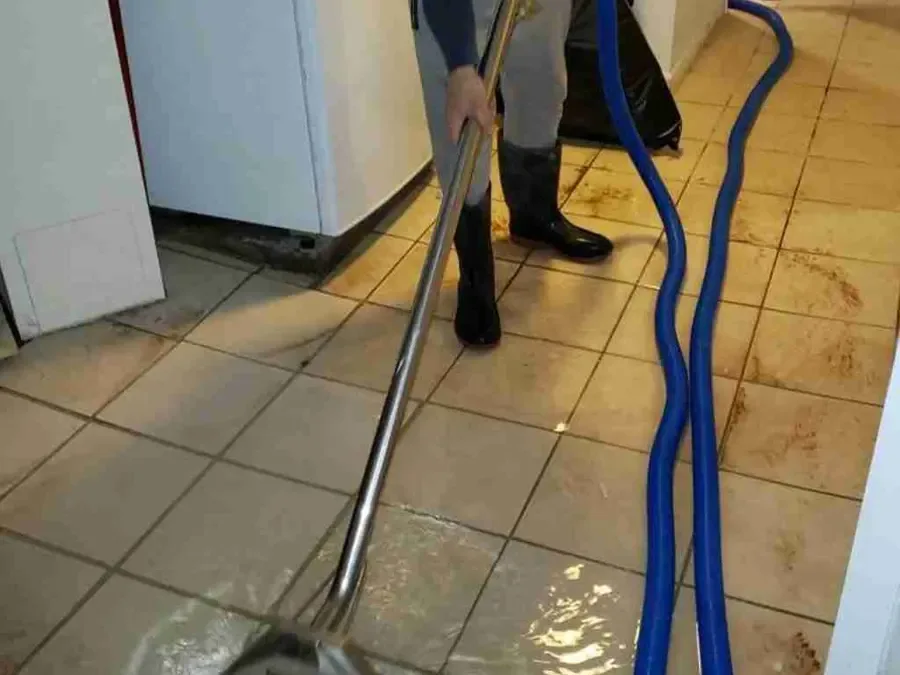
Extraction is coordinated with inventory and equipment handling so the affected surfaces can be reached while movements of damaged property remain documented by the responsible contacts.
Dry the affected building assemblies
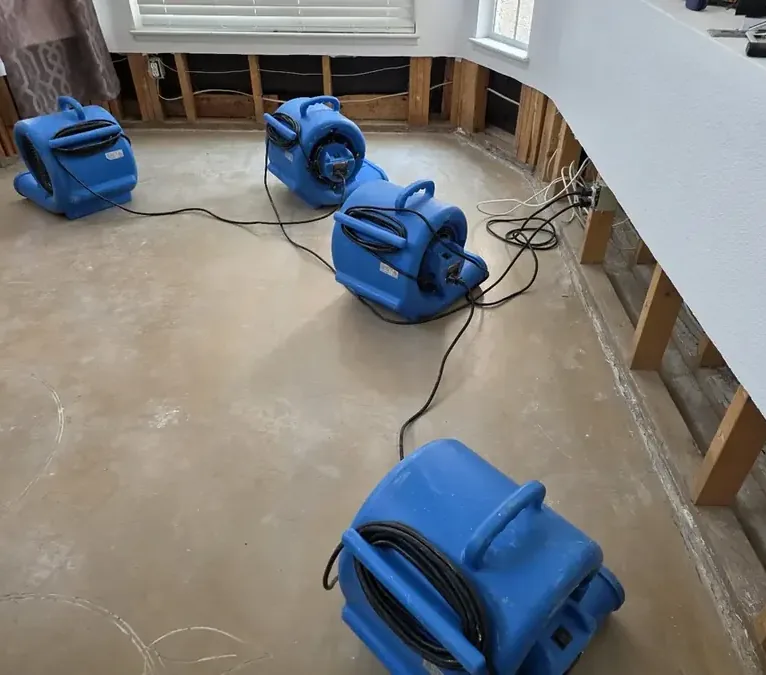
Material access and equipment placement are planned by room or connected area, with moisture monitoring used to identify progress and adjust treatment of persistent wet surfaces.
Hand over room specific findings
The recovery record identifies completed work, material conditions and remaining repairs for each affected space, helping the building representatives coordinate restoration of finishes and access.
What does commercial water damage cost in East Hanover, NJ?
Commercial cleanup costs in East Hanover reflect affected workspaces, access restrictions and material complexity. The estimate should identify contents handling, extraction and drying separately from equipment repair and business operating losses.
The assessment separates immediate mitigation from later repairs. Review the material decisions and equipment allowance in the written scope.
(888) 471-9821Assess the workplace water lossLimited business-room loss
- Focused work area
- Accessible wet surfaces
- Limited contents coordination
Several connected workspaces
- Shared room transitions
- More access planning
- Broader drying arrangement
Extensive commercial spread
- Complex equipment access
- Multiple material assemblies
- Detailed recovery documentation
Scope factors: Water category, wet square footage, material class and the delay before drying change the equipment and removal required.
Use the water damage cost calculator for a planning estimate; a site assessment determines the work.
Commercial Water Damage work stages
- 01
Survey the operational footprint
Building contacts identify wet workspaces, equipment restrictions and available routes for the restoration work.
- 02
Arrange removal and contents access
Extraction is coordinated with inventory and equipment handling so the affected surfaces can be reached while movements of damaged property remain documented by the responsible contacts.
- 03
Dry the affected building assemblies
Material access and equipment placement are planned by room or connected area, with moisture monitoring used to identify progress and adjust treatment of persistent wet surfaces.
- 04
Hand over room specific findings
The recovery record identifies completed work, material conditions and remaining repairs for each affected space, helping the building representatives coordinate restoration of finishes and access.
A water release during business operations can interrupt more than the damaged room. East Hanover commercial cleanup considers connected spaces, occupant movement and equipment access alongside the wet materials. A defined building contact helps coordinate source attention, entry arrangements and decisions about the restoration scope.
Use the building layout to organize the response
Route 10 is the main highway providing local township access, and part of Ridgedale Avenue serves as the town center. Businesses described along these corridors can identify the affected work area and entrance arrangements during intake. Those details help establish the practical approach to the premises.
Water crossing a corridor may cut off access to an otherwise dry room. The plan should identify wet areas, safe routes and equipment placement before work begins. Occupancy decisions depend on actual hazards and the building's requirements, with the appropriate responsible parties involved.
Assign contents and equipment decisions clearly
Office contents, stock and fixed equipment can each need different handling. The building contact should identify sensitive items and the parties authorized to move or isolate equipment. Documentation should preserve the condition of damaged property while cleanup opens access to affected floors and walls.
- List the rooms and operations directly affected by the release.
- Identify access controls and the contact responsible for entry.
- Record wet inventory before items leave the damaged work area.
- Keep equipment service decisions separate from material restoration tasks.
Town Square Park is near the township library along Ridgedale Avenue. For a nearby workplace, the restoration assessment focuses on its own floor plan, source conditions and material footprint. Shared partitions or connected storage spaces may need inspection even if the original release stayed inside one suite.
Give each affected space a repair handoff
Water extraction planning addresses the immediate accumulation. Structural drying records support the later material assessment. The scope should connect both stages to named interior areas so building representatives can understand what remains before repairs or normal use resume.
A useful commercial handoff distinguishes source repair, contents handling, drying and finish restoration. Clear responsibility for each item helps the building contacts coordinate the next contractor without losing track of unresolved material conditions.
A wet business space needs clear access and responsibility. Describe the affected rooms, operating constraints and the person authorized to coordinate the building's cleanup decisions.
(888) 471-9821Assess the workplace water lossCommercial water damage in East Hanover
Commercial recovery serves East Hanover requests along Route 10 and Ridgedale Avenue, with building contacts, access conditions and affected workspace details established during intake.
The same service nearby: commercial water damage in Livingston, Roseland, Florham Park.
Water damage restoration in East Hanover · every town covered
Other water problems to check
Commercial Water Damage questions
Who should coordinate a commercial cleanup request?
A person authorized to arrange building access and scope decisions should be identified. Property managers, tenants and equipment contacts may also need involvement depending on the affected space.
Can unaffected operations continue in the building?
That depends on hazards, work boundaries and the building's requirements. The relevant responsible parties should assess safe access and separation of occupied areas from the restoration work.
Why document inventory before moving it?
The original location and condition help explain water contact after the workspace changes. Keep those records with the contents handling plan and any later repair or disposal decisions.
Does restoration include repair of business equipment?
Equipment service belongs with the appropriate specialist unless specifically included. The cleanup scope should identify where equipment handling ends and building material extraction or drying work begins.
What if water crossed into an adjacent suite?
Connected spaces need assessment with appropriate access authorization. The wet footprint may extend across thresholds or partitions, so the inspection should follow observed migration beyond the first room.
How can the repair handoff support the manager?
Room based findings identify completed treatment and remaining material damage. That gives the manager a clearer basis for coordinating finish repair, contents return and changes to building access.
Build a room by room recovery scope
A commercial assessment can connect extraction and drying with contents handling, equipment access and a useful handoff for the next repair stage.