Basement Water Removal in East Hanover
Water at the bottom of the stairs can conceal electrical hazards and soaked storage. A basement recovery plan starts with access, the source of entry and the condition of submerged materials.
(888) 471-9821Discuss water below the stairs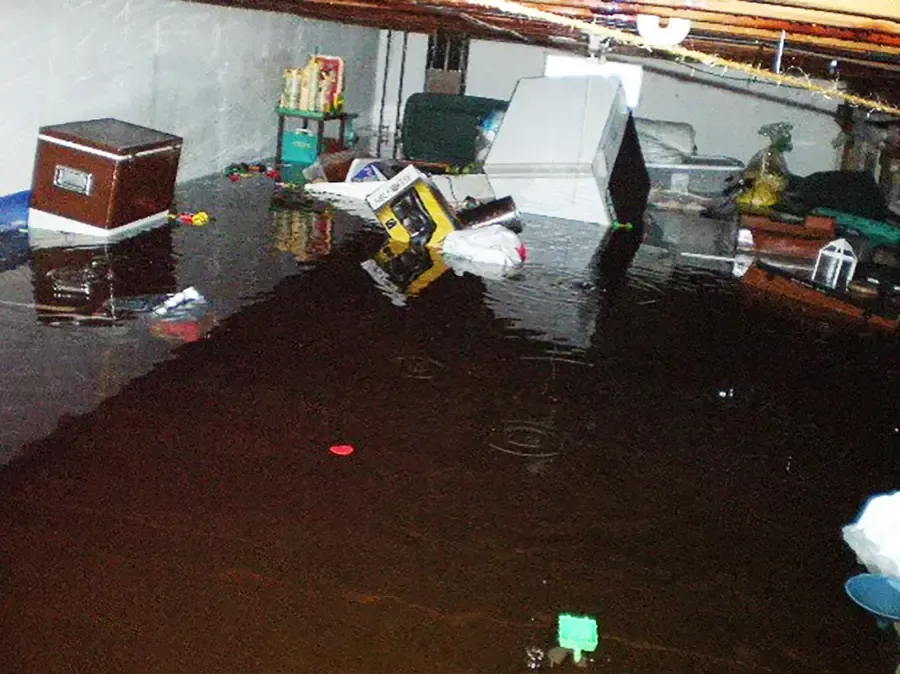
First steps for basement water removal
- 01Stay on dry footing
Observe the room from a safe position. Avoid descending into water that surrounds appliances, outlets or other potentially energized equipment.
- 02Describe the entry point
Mention water arriving at a wall, floor drain, pipe or sump pit. Also report whether the level is still changing.
- 03Protect dry storage
Keep unaffected belongings outside the cleanup route. Avoid carrying wet boxes through occupied rooms before their water contact is assessed.
- 04Document the lowest damage
Photograph submerged furniture legs, boxes and wall edges when safe. These details help establish the affected footprint after water removal.
How the team handles basement water removal
Basement cleanup combines liquid removal with inspection of wall bases, stored belongings and finished assemblies that remain wet after pumping.
Assess basement access conditions
Stairs, utilities and continuing inflow determine how the basement can be approached for removal work.
Manage liquid and contents
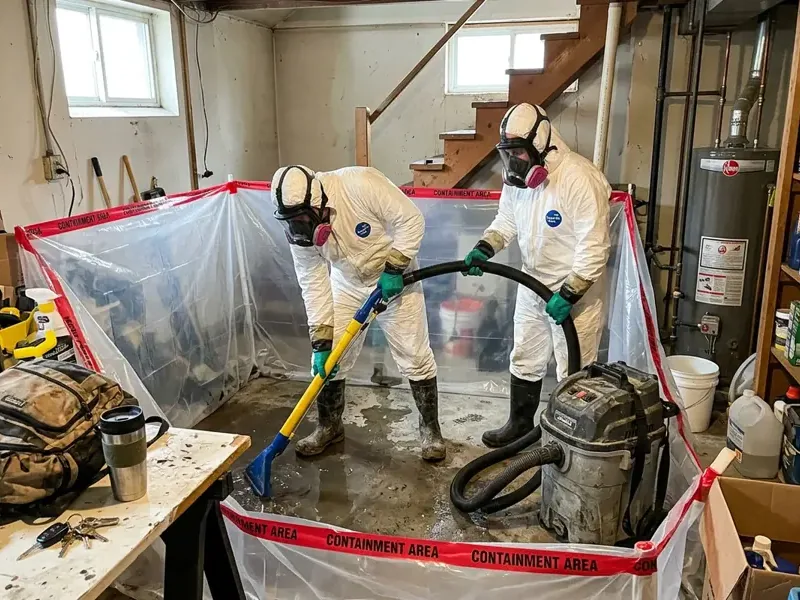
Pumping or extraction proceeds with a contents strategy that opens the perimeter for inspection and separates damaged items from unaffected storage elsewhere in the property.
Inspect finishes after removal
Once standing water clears, wall bases, flooring layers and hidden storage corners are assessed for saturation, cleaning requirements and any necessary removal of damaged materials.
Dry and inspect the perimeter
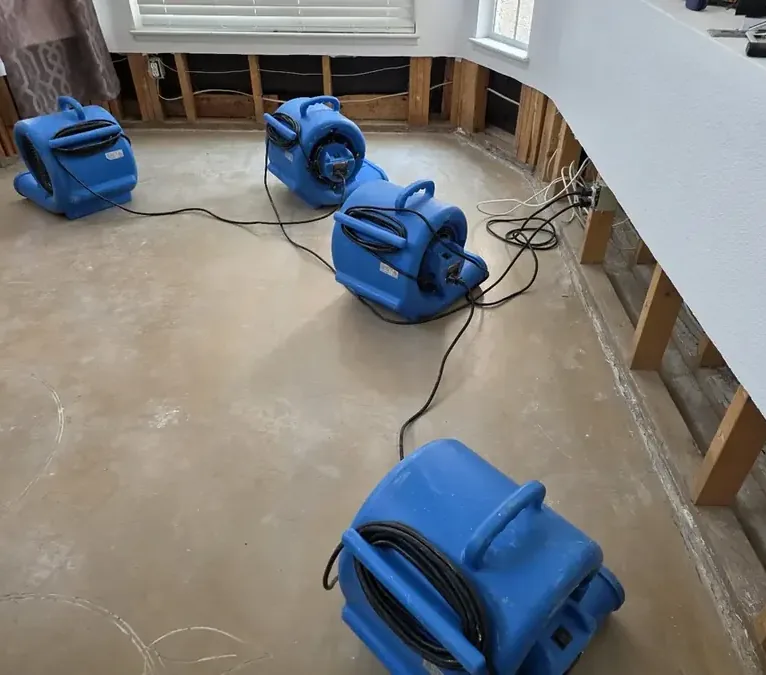
Equipment placement and moisture checks focus on retained assemblies. The completion assessment includes previously obstructed edges before furniture or boxes cover them again.
What does basement water removal cost in East Hanover, NJ?
Basement water removal costs in East Hanover depend on access, volume, contamination and whether finished walls or stored contents became wet. The written scope should include work remaining after the pumping stage.
The assessment separates immediate mitigation from later repairs. Review the material decisions and equipment allowance in the written scope.
(888) 471-9821Assess the basement conditionsAccessible limited water
- Open basement access
- Limited contents handling
- Focused perimeter checks
Finished lower-level loss
- Wet finish layers
- Several affected edges
- Material drying setup
Extensive contaminated area
- Special handling needs
- Broader cleaning scope
- Complex contents removal
Scope factors: Water category, wet square footage, material class and the delay before drying change the equipment and removal required.
Use the water damage cost calculator for a planning estimate; a site assessment determines the work.
Basement Water Removal work stages
- 01
Assess basement access conditions
Stairs, utilities and continuing inflow determine how the basement can be approached for removal work.
- 02
Manage liquid and contents
Pumping or extraction proceeds with a contents strategy that opens the perimeter for inspection and separates damaged items from unaffected storage elsewhere in the property.
- 03
Inspect finishes after removal
Once standing water clears, wall bases, flooring layers and hidden storage corners are assessed for saturation, cleaning requirements and any necessary removal of damaged materials.
- 04
Dry and inspect the perimeter
Equipment placement and moisture checks focus on retained assemblies. The completion assessment includes previously obstructed edges before furniture or boxes cover them again.
A flooded basement is a room access problem before it becomes a pumping job. East Hanover owners can begin by describing what is visible from the stairs: water depth relative to stored items, any active entry and whether equipment or outlets are submerged.
Establish an approach before entering
Electrical conditions and the source of water determine whether entry is safe. Water against a door or around mechanical equipment calls for caution. The removal plan should account for the building condition and continuing inflow, rather than treating every lower room as an identical pumping task.
The Whippany River and Passaic River define parts of the township boundary. When a basement receives outside water, the assessment follows the observed entry and contamination at that property. A plumbing release inside the same room requires its own source control and material evaluation.
Storage can complicate the wet footprint
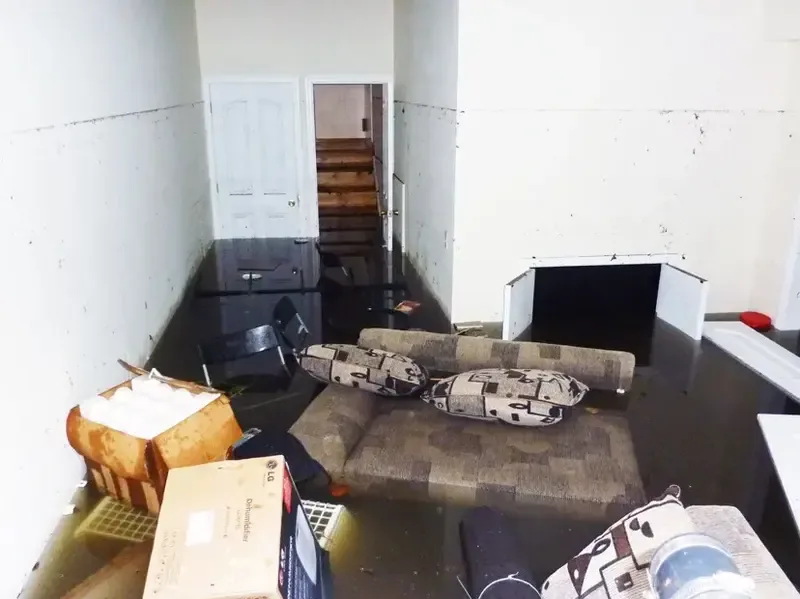
Boxes can hold water against a wall, and shelving can obscure damaged trim. A contents plan creates inspection access while separating items by condition and contact history. Photographing the arrangement before removal helps explain which belongings were affected and where the water reached.
- Identify safe routes for hoses and removal of damaged contents.
- Inspect finished wall bases behind accessible shelving and furniture.
- Look beneath floor coverings after the standing water is removed.
- Keep contaminated items away from unaffected storage and occupied rooms.
Hanover Neck is a township locality. For a basement there, useful intake details include whether the space is finished, what is stored on the floor and which doorway provides equipment access. Those practical details shape the cleanup sequence and the inspection of concealed surfaces.
Plan beyond the pump discharge
A failed sump assessment may be needed when the pit has overflowed. Wastewater cleanup applies when sewage has entered the room. The drying arrangement follows the remaining materials after extraction, cleaning and any necessary removal.
The basement should receive a final material assessment before stored contents return against the walls. Keeping wall edges and equipment clear during drying allows inspection of areas that were previously hidden behind boxes or furnishings.
Water below the stairs can affect storage and building materials at once. Describe the visible depth, entry point and any equipment standing in the water.
(888) 471-9821Assess the basement conditionsBasement water removal in East Hanover
Basement cleanup covers East Hanover requests, including Hanover Neck and Swinefield Bridge, with access, stored contents and ongoing entry discussed before work.
The same service nearby: basement water removal in Livingston, Roseland, Florham Park.
Water damage restoration in East Hanover · every town covered
Other water problems to check
Basement Water Removal questions
Is it safe to walk downstairs to move boxes?
Water around electrical equipment can make entry unsafe. Describe the conditions from dry access and keep occupants away until the basement hazards have been evaluated.
Does pumping complete the basement cleanup?
Pumping removes standing liquid. Wet walls, flooring and contents may still require cleaning, removal or drying, with checks focused on areas previously concealed by stored items.
What if water keeps entering during removal?
Continuing inflow needs attention as part of source control. The removal strategy should account for that flow and the building condition before drying work can progress effectively.
Can soaked cardboard boxes be left beside a fan?
Their condition and water contact must be assessed. Saturated packaging can retain moisture and obstruct inspection, so contents handling should be included in the cleanup plan.
Why inspect an unfinished basement wall perimeter?
Even without decorative finishes, storage, wood components and adjoining assemblies can be wet. Accessible perimeter checks help identify where moisture remains after the open floor is cleared.
When should belongings go back against the walls?
Wait until relevant drying and cleaning work is complete and the perimeter has been reviewed. Leaving inspection access open helps avoid hiding unresolved moisture behind storage.
Give the lower level a complete recovery scope
An assessment can combine safe removal, contents decisions and perimeter drying so the work extends beyond the disappearance of the standing water.