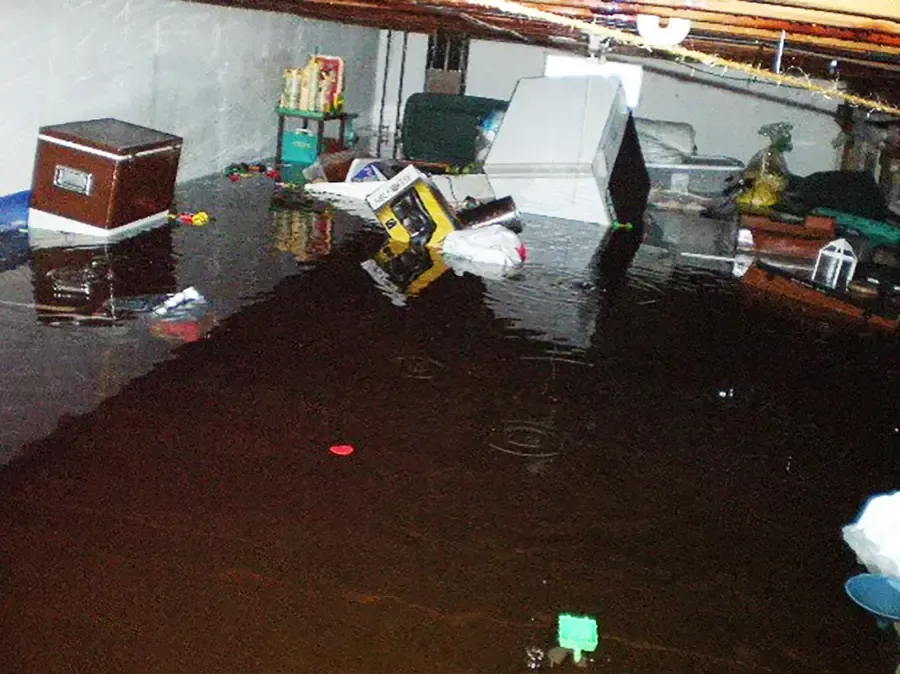
Roseland publishes winter preparation advice that includes keeping debris and snow away from nearby sewer grates. When water appears downstairs during winter weather, a useful response begins with safe access, a description of the entry point and a record of the affected room. Outdoor drainage observations and interior recovery each need attention.
Key takeaways
- Observe exterior drainage from a safe location without entering traffic or standing water.
- Keep people away from a wet basement with electrical or overhead hazards.
- Note where water first appeared and whether more water is still entering.
- Separate wet contents from the record of wet walls and flooring.
- Request a drying handoff that identifies remaining repairs and inaccessible spaces.
Winter preparation begins outside the basement door
The borough Code Enforcement Department advises clearing debris and snow from nearby sewer grates and prohibits throwing cleared snow back into streets. These points belong in an ordinary winter preparation routine.
Property occupants should also know who handles the accessible outdoor areas around their building so observations reach the appropriate person.
The borough warns that downed wires can be buried in snow. An obstructed grate or an unusual patch of water should therefore be observed from a safe place, with hazardous conditions left to the appropriate responders.
No drainage task justifies approaching a wire or stepping into a roadway affected by winter conditions.
For a homeowner planning basement water removal, the useful exterior note describes what was visible and when it was seen. A photograph of an accessible drain area can accompany a separate photograph of the basement entry point, allowing the responding professional to examine the sequence without confusing the locations.
- Keep snow disposal away from streets as the borough directs.
- Report downed wires without approaching them.
- Record an obstructed grate only from a safe viewing position.
- Identify the person responsible for exterior access at the property.
Describe how water appeared in the lower level
The first room note should say whether water was found at a doorway, a floor and wall junction, a drain or beneath a fixture. Those are different observations, and each points the inspection toward a different part of the room.
A broad description such as a wet basement leaves too much work for later clarification.
A discovery timeline can be brief. The occupant can record the last time the area was observed dry, the time water was noticed and any visible change afterward, without entering an unsafe space.
Photos taken from the same safe landing or doorway make it easier to compare the extent of the water.
The owner can tell the contractor whether water is still flowing, where the puddle stops and which stored items look wet. A clear description of the basement entrance and dry routes also helps.
The crew uses those details to plan equipment access and decide where the first inspection needs to begin.
Arrange the room before contents become a second problem
Stored items often make the room harder to inspect. Boxes can cover wall bases, shelving can block a corner and loose objects can obscure the boundary of standing water.
The responsible contact should describe these obstructions so the recovery plan includes a safe way to evaluate the affected surfaces.
Before the crew moves a storage group, it can photograph the boxes or belongings beside their original shelf or corner. The owner then has a record of where the water reached and what was stored there.
Clear labels help keep the building repair notes separate from decisions about cleaning or replacing contents.
The borough identifies stormwater absorption as a benefit of shade trees, while the former Becker Farm site is now mostly a large business complex. These local details make drainage and property access relevant to different settings here; inside a particular building, the room inventory remains the basis for organizing recovery work.
- Identify shelves or cabinets that conceal wet wall edges.
- Photograph contents in place before approved handling.
- Keep a separate list for building materials and belongings.
- Reserve an agreed route for equipment and authorized workers.
Remove accessible water while watching for renewed entry
Extraction planning should address the route to the affected room, the condition of the water and the areas that can be reached safely. The operator needs to know where equipment will be placed and which doors or stairs are involved.
Occupants should use an agreed dry route that stays clear of active work.
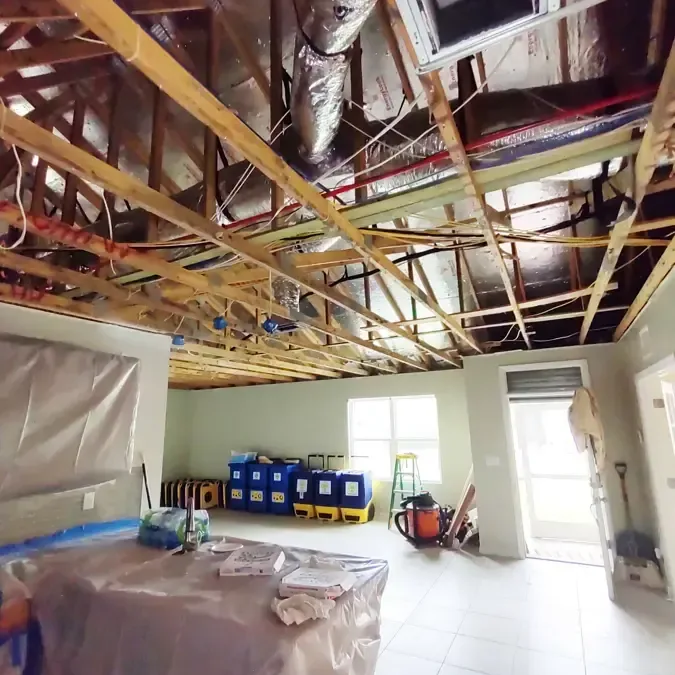
Water extraction clears accessible liquid so the technician can inspect the floor more closely. The crew checks newly exposed corners, wall bases and areas beneath storage, then adds those findings to the room sketch.
Photographing each wet edge at that stage helps explain any added cleaning or material removal.
Water that returns after removal calls for another look at its route. The useful question is where the fresh water appears relative to the original map, along with any change in outdoor conditions or fixture use.
Recording that recurrence gives the source investigator a much stronger starting point than repeatedly describing the room as wet.
Evaluate the layers that remain after extraction
A visible floor surface is only one part of the lower level. Base trim, wall finishes, floor coverings and accessible backing need to be identified individually, with attention to their condition and the nature of the water contact.
The work plan should say which materials will remain and which require further evaluation.
For the structural drying assessment, the technician marks test points at wet corners and floor edges. Repeat measurements at those spots show whether moisture is falling.
If a reading stays high, the crew checks the surrounding layers and adjusts equipment or access before deciding the area is ready for repairs.
Closed storage areas deserve particular attention during the handoff. If a cupboard, fixed cabinet or finished cavity remains inaccessible, that limitation should have an identified next action.
The owner needs a clear explanation of how the area will be evaluated before finishes are restored or belongings are returned against it.
- Name each wall or floor material in the drying record.
- Compare the same marked locations during later visits.
- Record the reason for any removal or access opening.
- Resolve concealed areas before completing the repair scope.
Turn winter observations into a practical property file
Roseland is a borough in western Essex County, and its local winter notices should stay with the property contact information. A building file can hold the relevant notice, exterior observations and the interior water timeline in separate sections.
This makes the next conversation easier whether it concerns outdoor maintenance or a damaged room.
Foulerton’s Brook is the location of a borough pedestrian bridge project. For properties described using that landmark, appointment notes should still identify the actual entrance and the authorized person who can provide access.
A named local feature can help arrange a visit, while the work description follows the precise room conditions.
Before normal storage resumes, the final record should identify completed drying, any finish work still required and the contents decisions made along the way. The homeowner can then return belongings according to the room handoff.
Future winter observations can be added as new entries, preserving a clear distinction between maintenance notes and another water incident.
Questions
What winter drainage advice does Roseland publish?
The borough calls for debris and snow to be cleared from nearby sewer grates and says cleared snow must stay out of streets. Its warning about wires hidden in snow also matters when deciding whether an exterior area can be approached safely.
What information helps when the basement cannot be entered?
An occupant can describe the view from a safe dry doorway, the time of discovery and any visible active flow. The assessment team can use that account to plan access without asking the occupant to cross the affected room.
How should wet stored items be recorded?
A useful inventory connects the item or group to its original location and includes a photograph before authorized handling. Later notes should say where it was moved and what condition decision was made.
What should happen if water appears again after removal?
The renewed entry needs a fresh location and time entry. Comparing it with the earlier room map helps the investigator revisit the source and adjust the recovery plan before finishes are replaced.